Welcome to JIECHENG

Leave Your Message
0%

Looking ahead to 2026, heated Water Pipe Insulation is set to become more important for buyers around the world, especially as they deal with colder winters, rising energy prices, and tighter efficiency standards. Choosing the right system can really make a difference — it helps cut down heat loss, keeps water at the right temperature, and even prevents condensation on hot-water lines. Of course, the best choice depends on things like the pipe material, how hot the water gets, moisture exposure, available space for installation, and the local building codes.

Dr. John Straube, a building science expert, always points out a useful rule of thumb: 'Insulation Slows heat transfer; it doesn’t stop it completely.' That’s such a practical way to think about it — it should definitely influence how you pick products. Different materials like fiberglass, elastomeric rubber, polyethylene foam, and mineral wool have their own strengths and weaknesses. For example, what works great in a dry, indoor plant room might not cut it in a humid basement. Details really do matter here.

This guide dives into things like thermal conductivity, maximum temperature limits, wall thickness, fire safety, moisture resistance, and how well the product’s installed. It also looks at how reliable suppliers are, the quality of their technical docs, testing results, and support after you buy. Seasoned contractors know that tiny gaps can cause cold spots, sweating on surfaces, or unexpected heat loss — and unfortunately, poor sealing is pretty common. That’s one area that really deserves some extra attention.

If you’re shopping from different parts of the world, it’s also smart to check local codes, how the water system is designed, shipping conditions, and whether replacement parts are easy to get. Certifications can be helpful, but they don’t tell the whole story — real-world performance depends a lot on choosing the right size and making sure everything’s installed properly. This article aims to give you a handy framework to compare different heated water pipe insulations, whether it’s for homes, commercial spaces, or industrial setups. Keep in mind, some recommendations might need tweaks depending on your specific climate or workmanship. At the end of the day, how well it all works depends on those little details.
2026 Best Heated Water Pipe Insulation for Global Buyers

What Heated Water Pipe Insulation Is and Why Global Buyers Need It

Heated water pipe insulation is a protective layer fitted around hot-water pipes. It slows heat loss as water travels from a boiler or heater to taps and equipment.

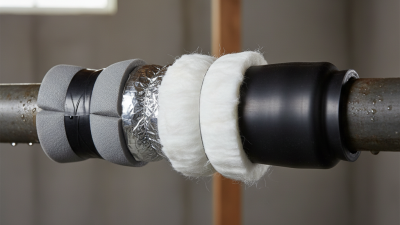
A Heated Pipe Jacket may use foam, mineral wool, or another insulating material, often with an outer covering that resists moisture or wear. It does not generate heat. That distinction matters when buyers compare insulation with electrically heated systems.

Global buyers need it for practical reasons. In cold regions, insulation can reduce heat loss and lower the risk of pipes freezing when systems are shut down. In warm, humid locations, suitable coverings can help limit condensation on cold-water lines, though the right design depends on the pipe and environment. Less heat loss can also mean shorter waits for hot water. Small gains add up. Still, insulation cannot fix poor system design or replace maintenance.

Selection takes care. Buyers should check pipe diameter, operating temperature, exposure to rain or sunlight, and the thickness needed for local conditions. A jacket that works indoors may deteriorate outdoors. Ask suppliers for clear performance data and installation guidance, then confirm that the material suits the project’s temperature range. Specifications can be confusing, and I would not choose by thickness alone. A poorly sealed joint can undermine otherwise good insulation.

How Heated Water Pipe Insulation Works in Cold Environments

In cold environments, Water Pipe Insulation slows the movement of heat from water toward colder air. It does not generate warmth; it gives the pipe more time before its temperature drops. Foam or mineral-fibre layers can help, especially in sheltered indoor spaces. A bare section near a drafty crawl-space vent can still become a weak point. Insulation alone cannot guarantee that water will stay unfrozen during a prolonged freeze. That distinction is easy to overlook.

Where temperatures remain low, a compatible heat-tracing cable can add warmth along the pipe. A sensor or thermostat may switch the cable on as conditions approach a set temperature, while insulation helps retain that heat. Coverage matters: elbows, valves, joints, and exposed fittings often lose heat faster than straight pipe. Small gaps matter. Installers should check the pipe material, cable instructions, and local electrical requirements before choosing a system. A thicker layer is not automatically better if it traps moisture or hides a leak. Performance also depends on drafts, humidity, and how long the cold lasts; those details are sometimes underestimated in product comparisons. Proper inspection remains useful, even with a well-insulated pipe.

Main Types of Heated Insulation for Water Pipes

Main Types of Heated Insulation for Water Pipes

Heated pipe systems pair Thermal Insulation with electric heat-tracing cable.Self-regulating cable adjusts its output as pipe temperature changes, making it useful around branches and changing conditions. Constant-wattage cable delivers steadier heat along its length, but needs careful circuit design to avoid overheating. Mineral-insulated cable suits demanding industrial environments, though installation and termination require specialist skills.

Details matter.

A different option is a factory-insulated pipe with integrated heat tracing. It can simplify installation across long, exposed runs, but field joints and valves still need careful insulation. For retrofits, cable is often attached to existing pipe, then covered with weather-resistant insulation.

A loose joint can become the cold spot. That is easy to miss.

The U.S. Department of Energy’s Energy Saver guidance reports that insulating hot-water pipes can deliver water 2–4°F hotter than uninsulated pipes. That figure concerns insulation, not a guaranteed heat-tracing performance level.

Cable selection still depends on pipe diameter, minimum ambient temperature, fluid temperature, and heat loss. In practice, elbows and supports complicate neat calculations. Specify a suitable control method, verify electrical protection for the installation environment, and check the system after fitting; insulation thickness alone cannot prevent freezing during a power outage.

How to Choose the Right System for Different Climate Zones

Choosing Hot Water Pipe Insulation starts with the climate, not the product label. In cold continental zones, thick insulation should reduce heat loss, while a controlled heating cable protects exposed sections during freezing nights. Seal joints carefully. Wind can pull warmth from small gaps.

Humid tropical regions need closed-cell insulation with strong moisture resistance. Wet insulation loses performance and may hide corrosion beneath the surface. In coastal areas, use corrosion-resistant fittings and inspect metal supports regularly. Salt air is aggressive. For arid zones, intense sunlight can damage outer jackets, even when night temperatures fall sharply. A UV-resistant cover becomes practical.

Mild climates still need protection around outdoor taps, roof spaces, and unheated garages. Measure pipe diameter, operating temperature, and the lowest local temperature before selecting thickness. Heating controls should include a thermostat and safe electrical protection, installed according to local regulations. Field inspections often reveal poor insulation at valves and elbows, not along straight pipe runs. These points deserve extra attention. No sizing chart is perfect. Building exposure, wind, and installation quality can change results. I would also avoid assuming that thicker insulation always performs better; trapped moisture or compressed sections can reduce its value. A qualified installer can verify clearances, moisture barriers, and emergency shutoff access for the actual site.

Key Materials, Heating Methods, and Energy Efficiency Factors

2026 Best Heated Water Pipe Insulation for Global Buyers

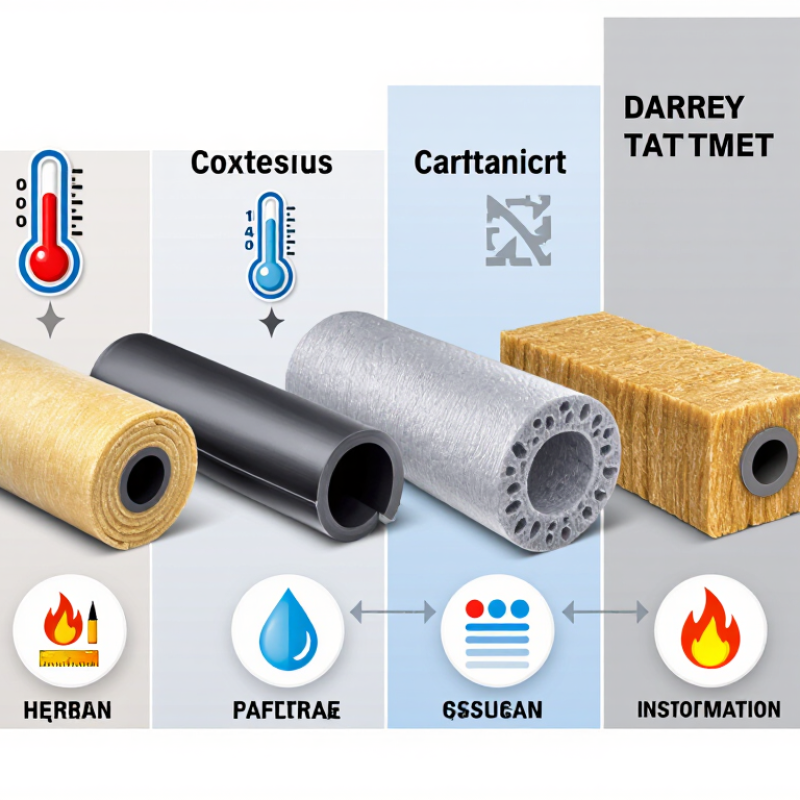
Selecting heated water pipe insulation starts with the pipe material, climate, and installation location. Closed-cell elastomeric foam resists moisture and fits irregular surfaces around valves. Mineral wool tolerates higher temperatures, but it needs a sealed, weatherproof jacket. Aerogel Blankets offer excellent thermal performance, although their higher cost may not suit every project. In practical site inspections, damaged seams often reduce insulation performance more than material choice.

Heating methods also influence operating costs. Self-regulating heating cable lowers output as the pipe warms, reducing unnecessary energy use. Constant-wattage cable can work well, but it requires accurate controls and suitable spacing. A thermostat should measure pipe temperature, not only surrounding air. Small errors matter. Poor sensor placement may leave shaded sections vulnerable during freezing weather.

Energy efficiency depends on insulation thickness, cable wattage, outdoor wind, water temperature, and installation quality. Seal every joint against rain and vapor movement, especially near supports and flanges. Use the manufacturer’s tested thermal data rather than relying on appearance. Laboratory values can seem optimistic in wet conditions. I would also check actual power consumption after installation, because design estimates may miss short cold periods. Local electrical rules, grounding requirements, and maintenance access must guide the final system design.

Installation, Temperature Control, and Maintenance Requirements

For global buyers, pipe insulation should match the water temperature, outdoor exposure, and expected maintenance access. Measure pipe diameter and check the insulation’s rated service temperature before ordering. U.S. Department of Energy guidance says insulating hot-water pipes can reduce heat loss and raise delivered water temperature by about 2°F–4°F. That gain depends on the system. It is not guaranteed.

Fit sections tightly, seal joints, and avoid crushing the insulation around bends. Keep valves and joints accessible with removable covers. Insulation slows heat loss; it does not create heat. Where freezing is possible, use temperature-controlled heat tracing designed for the pipe and insulation system. Place the sensor where it can read pipe temperature accurately, not against a warm neighboring surface. Small detail. Big difference.

Maintenance matters. Inspect seams, supports, and weatherproof jackets after wet or cold seasons. Look for damp insulation, cracked seals, corrosion, and crushed sections. Wet material may insulate poorly, even when the outer jacket looks intact. DOE Energy Saver guidance supports the temperature benefit, but real performance also depends on installation quality and operating conditions. I would avoid promising one service life for every climate; sunlight, moisture, and access can change the outcome.

2026 Best Heated Water Pipe Insulation for Global Buyers - Installation, Temperature Control, and Maintenance Requirements

Insulation or Heating Configuration Typical Applications Common Temperature Capability Recommended Insulation Structure Installation Requirements Temperature-Control Method Maintenance Requirements Key Buying Considerations
Self-regulating heating cable with elastomeric insulation Domestic water lines, outdoor pipes, roof-level services, and freeze protection in moderate climates Usually suitable for freeze protection and low-temperature maintenance; verify the cable rating, commonly up to approximately 65°C to 85°C exposure depending on construction Closed-cell elastomeric foam, typically 13–25 mm thick, protected with a weather-resistant jacket outdoors Install the cable in continuous contact with the pipe; follow the specified spacing, bending radius, circuit length, earthing, and residual-current protection requirements Pipe thermostat, ambient thermostat, or electronic controller with a sensor fixed to the coldest exposed section Inspect the jacket, power connections, end seals, and insulation after severe weather; test electrical continuity and insulation resistance according to the installation standard Confirm voltage, approval requirements, outdoor UV resistance, minimum start-up temperature, and whether the cable may overlap itself
Constant-wattage heating cable with mineral wool insulation Industrial water lines, process-water services, long pipe runs, and applications requiring stable heat retention The heating cable may support higher exposure temperatures than the surrounding insulation; the final limit must be taken from the cable and system datasheets Mineral wool sections, commonly 25–75 mm thick, with a vapor barrier and metal or weatherproof cladding where required Use calculated cable spacing and heat-loss data; keep the insulation dry, seal penetrations, and provide expansion allowances on long pipe sections Independent thermostat, contactor, high-limit cut-out, and preferably a fault alarm for critical water services Check cladding joints, moisture ingress, cable attachment, controller operation, and high-limit protection at scheduled intervals Obtain heat-loss calculations, power density, maximum sheath temperature, hazardous-area classification, and local electrical compliance information
Hot-water circulation pipe with thermal insulation Domestic hot-water distribution, hotels, hospitals, apartment buildings, and facilities requiring short delivery times Common storage and circulation set points are approximately 50–60°C, while anti-legionella procedures may require periodic higher-temperature cycles under professional control Closed-cell elastomeric foam, polyethylene foam, or mineral wool selected for the pipe temperature and local building code Insulate the supply and return lines continuously; avoid compressing insulation at supports and maintain access to valves, unions, and inspection points Aquastat or digital controller, balancing valves, circulation pump control, and temperature sensors at the return line and remote outlets Verify return temperature, pump operation, insulation condition, valve balance, and water hygiene procedures; periodically check for leaks and scale Evaluate thermal conductivity, thickness, fire classification, potable-water compatibility of adjacent materials, and the required hygiene regime
Electric trace heating beneath weatherproof insulation Exposed water pipes in cold, windy, high-altitude, or seasonally freezing environments Designed primarily for freeze protection or a specified holding temperature; performance depends on ambient temperature, wind, pipe size, insulation, and supply voltage Elastomeric foam, cellular glass, polyurethane, or mineral wool with sealed outdoor cladding selected for moisture and UV exposure Remove sharp edges, attach the heater without damaging it, seal all joints against water, and label the circuit and isolation point Ambient-sensing control for freeze protection or pipe-sensing control for temperature maintenance; use a high-temperature limit where necessary Inspect before each freezing season, especially at joints, supports, valves, cable exits, and areas exposed to impact or animals Request a complete heat-tracing design rather than selecting cable length alone; confirm protection against water ingress and electrical shock
Pre-insulated flexible water pipe Buried or externally routed water supply lines, modular buildings, agricultural facilities, and temporary installations Temperature capability depends on the carrier pipe and insulation system; many potable-water products are designed for normal cold-water service rather than continuous hot-water use Factory-applied closed-cell foam or polymer insulation inside a protective outer jacket; additional burial protection may be necessary Observe minimum bend radius, trench depth, bedding, joint sealing, pressure testing, and protection from crushing or sharp stones Usually passive insulation; add approved trace heating only when the complete pipe system permits it Inspect accessible ends and joints, monitor pressure, check for settlement or jacket damage, and document buried-pipe locations Confirm drinking-water approval, pressure rating, temperature rating, burial suitability, outer-jacket durability, and local installation rules
Vacuum-insulated or aerogel-based high-performance insulation Space-constrained installations, high-value process services, and locations where reducing heat loss is especially important Temperature limits vary widely by product; select the system according to the carrier-pipe temperature, moisture exposure, and mechanical environment Thin high-performance panels, blankets, or vacuum sections installed with a durable vapor and weather barrier Prevent punctures, maintain panel overlap, protect seams, and use compatible clamps and supports without creating thermal bridges Passive heat retention, often combined with a separately controlled heating cable for freeze protection or process-temperature holding Inspect the outer barrier for puncture, moisture, compression, and loss of vacuum where applicable; replace damaged sections Compare installed thermal performance, impact resistance, repairability, availability of replacement sections, and total lifecycle cost
Buyer’s technical checklist: Confirm pipe material and diameter, fluid temperature, minimum ambient temperature, wind exposure, insulation thickness, heating-cable output, electrical voltage, control-sensor location, fire classification, moisture protection, potable-water compatibility, local electrical rules, and access for inspection. Final sizing should be verified by a qualified installer or thermal-design engineer.

Global Safety Standards, Certifications, and Purchasing Considerations

For 2026, buyers should check the rules that apply at the installation site; safety requirements differ by country and application. Heated pipe systems combine insulation, electrical heating elements, controls, and sometimes water-contact materials. A certificate for one component does not automatically approve the complete assembly. Labels matter. Confirm the product’s rated voltage, temperature range, and permitted installation conditions against local electrical codes.

Ask suppliers for current test reports and clear documentation, not just a logo on a datasheet. Depending on the market, relevant evidence may include electrical safety, electromagnetic compatibility, and ingress-protection testing. For Water Main Pipe Insulation, verify whether any layer contacts drinking water; if so, request the applicable local water-contact approval. CE marking, where relevant, is not a substitute for checking national requirements or installation instructions.

Compare the insulation’s thermal performance, moisture resistance, and fire classification with the pipe location. A damp basement, outdoor valve, and exposed rooftop need different protection. Check whether the heating cable can be shortened, how its thermostat senses pipe temperature, and what maintenance access remains after fitting. Details matter. Claims such as “universal” can hide limits, so ask for written operating conditions and warranty exclusions. Even compliant products may perform poorly when joints are loose or insulation is too thin; sizing deserves a second look.

2026 Best Heated Water Pipe Insulation for Global Buyers

Common nominal single-phase supply voltages are an important purchasing check when selecting electrically heated pipe systems. Confirm local requirements and the exact product rating before installation.

Values shown are common nominal supplies, not a guarantee for every country or site. Japan uses 50 Hz in eastern regions and 60 Hz in western regions; North American supplies also commonly include 240 V circuits. Verify voltage, frequency, environmental rating, and local approval for the complete heating system. Relevant standards may include IEC 62395 for electrical resistance trace-heating systems and, where applicable, UL 515; requirements depend on product type and jurisdiction. Reference: IEC 60038 and national supply practices.

Power Generation Industry Removable Insulation Jackets: Enhancing Efficiency, Safety, and Maintenance

Removable insulation jackets are helping power generation facilities improve thermal efficiency while making equipment safer and easier to maintain. Designed for pipes, valves, turbines, flanges, and other heat-producing components, these jackets provide reliable insulation across a wide operating range of -70°C to 1000°C. With a thermal conductivity below 0.035 W/(m·K) at normal temperature, they reduce heat loss, support more stable operating conditions, and help lower energy consumption. Available in thicknesses from 35 mm to 50 mm, the jackets offer effective thermal protection without creating unnecessary space or installation challenges.

Manufactured with materials featuring a density of 100–200 kg/m³, the jackets combine lightweight handling with durable performance in demanding industrial environments. Their A-grade non-flammable rating supports fire safety around high-temperature equipment, while acid and alkali resistance helps protect against corrosive substances. Water and oil resistance further improves durability in areas exposed to moisture, lubricants, and routine industrial contamination. The removable design allows maintenance teams to access equipment quickly without destroying the insulation, reducing downtime and simplifying inspection, repair, and replacement work. With a service life of more than 10 years, these jackets provide long-term protection for power generation assets and support safer, more efficient maintenance operations.

FAQS

How should I choose insulation for a water pipe?

Measure the pipe diameter and check the insulation’s rated service temperature. Consider water temperature, outdoor exposure, moisture, and maintenance access. Guessing can cause poor fit.

Can pipe insulation create heat?

No. It slows heat loss. Hot-water insulation may raise delivered temperature by about 2°F–4°F, depending on system conditions. Results are not guaranteed.

How should insulation be installed around bends?

Fit each section tightly and seal the joints. Do not crush insulation around bends. Loose seams can become cold, wet weak points.

Should valves and pipe joints be covered permanently?

Keep valves and joints accessible with removable covers. This allows inspection and repairs without removing the entire insulation system. Access is easy to forget.

When is heat tracing needed?

Use temperature-controlled heat tracing where freezing is possible. Match the heating system to the pipe and insulation. Place the sensor on the pipe, not beside a warm surface.

What should maintenance inspections look for?

Check seams, supports, weatherproof jackets, and exposed sections after wet or cold seasons. Look for damp material, cracked seals, corrosion, and crushed insulation. Wet insulation may perform poorly.

What documents should buyers request?

Request current test reports, installation instructions, rated voltage, temperature range, and permitted conditions. Check electrical safety, electromagnetic compatibility, and ingress protection where applicable. A logo alone proves little.

Does one certification approve the complete heated pipe system?

No. A component certificate does not automatically approve the complete assembly. Confirm local requirements for insulation, heating elements, controls, and water-contact layers.

Do all installation locations need the same insulation?

No. A damp basement, outdoor valve, and exposed rooftop need different moisture and weather protection. Compare thermal performance, fire classification, and moisture resistance.

How should buyers evaluate “universal” insulation claims?

Ask for written operating conditions, warranty exclusions, and maintenance requirements. Check whether heating cables can be shortened. Recheck sizing; universal claims can hide uncomfortable limits.

Conclusion

Heated Water Pipe Insulation combines thermal insulation with a controlled heat source to help keep water flowing through pipes in cold conditions. By reducing heat loss and supplying warmth when needed, it can lower the risk of freezing and support reliable water service across a range of climates. Common options include self-regulating and constant-wattage heating cables paired with suitable insulation materials. The right system depends on local temperatures, pipe location, water-use patterns, and the level of protection required.

When comparing systems, buyers should consider insulation performance, heating method, energy use, temperature controls, and compatibility with the pipe material. Proper installation helps distribute heat evenly and protects components from moisture or physical damage. Routine checks of cables, connections, insulation, and control devices can help maintain safe, efficient operation. Global buyers should also review applicable safety certifications, product documentation, installation guidance, warranty terms, and local requirements before purchasing, ensuring the selected system is appropriate for its intended environment.

Lila

Lila

Lila is a dedicated marketing professional at Jiangxi Jiecheng New Materials Co., Ltd., where she specializes in high-temperature insulation products. With a solid background in product knowledge and industry trends, Lila plays a pivotal role in promoting the company’s core offerings, which include......
Previous What Is the Best Heat Thermal Insulation Sheet in 2026?