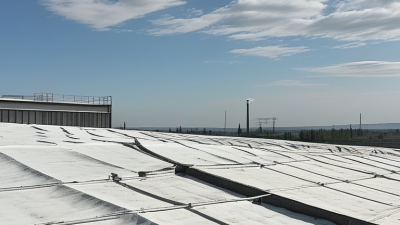
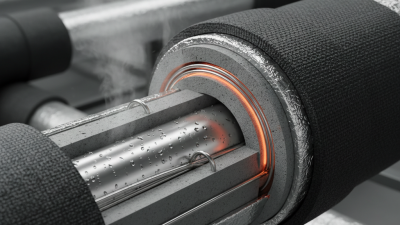
By 2026, the world of Silica Insulation is expected to look quite different. Companies are really pushing forward with new innovations that boost thermal efficiency — you know, making buildings more energy-efficient and all that. This shift is mainly driven by growing environmental concerns and the demand to cut down energy costs. Big names like ThermalCeramics and Aerogel Technologies are leading the charge, bringing in some seriously advanced materials.
Sustainability isn't just a buzzword anymore; it’s a must-have. We’re seeing more bio-based silica products popping up, which is pretty exciting. People buying these solutions are all about reducing their carbon footprint, and the competition is no longer just about price — energy performance matters just as much. You can tell there's a lot of investment pouring into research, but, of course, there are still some hurdles to clear.
That said, while these new developments are promising, it’s totally fair to wonder about how reliable they’ll be in the long run. Will these newer materials stand the test of time like the traditional ones? It’s a balancing act for sure. The future of Silica Insulation really depends on smart innovation and careful strategic choices. Industry leaders need to learn from the past but also focus on pushing for a more sustainable, eco-friendly future.
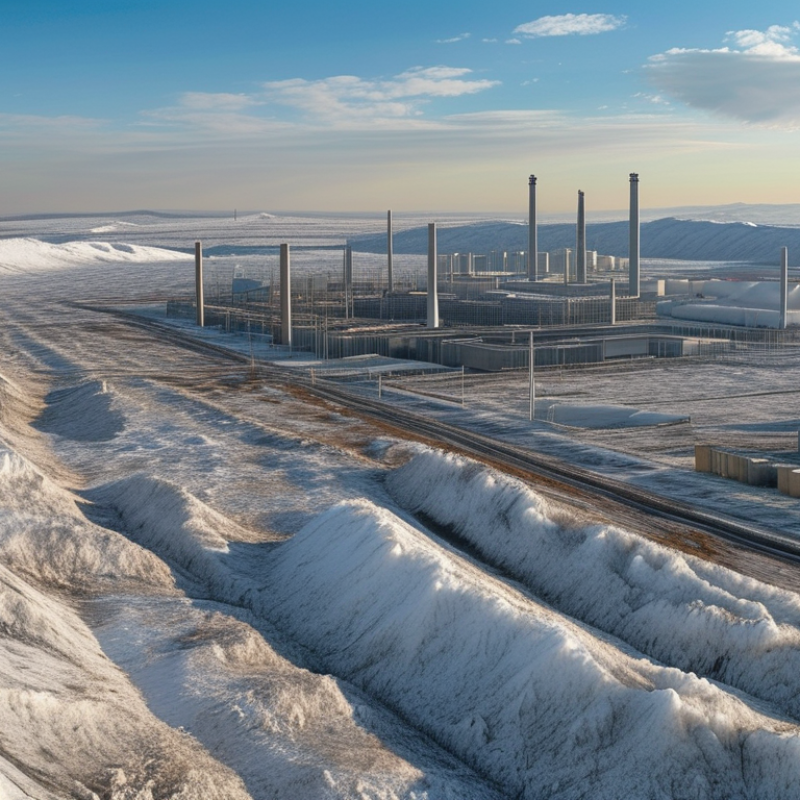
Emerging Technologies in Silica Insulation for 2026
As we look toward 2026, silica insulation technologies are rapidly evolving. These advancements focus on improving energy efficiency and sustainability. Innovative materials are being developed to enhance thermal performance, making buildings more energy efficient. This not only reduces energy costs but also supports environmental goals.
One exciting trend is the use of nanotechnology in silica insulation. This science allows manufacturers to create lightweight materials with superior thermal properties. Additionally, integrating recycled silica into products is gaining traction. This approach addresses waste management while delivering effective insulation. However, the challenge remains in ensuring these materials meet safety and performance standards.
The field is also exploring smart Insulation Solutions. These involve sensors that monitor temperature and adjust insulation properties in real-time. Yet, this technology is still in its infancy, prompting questions about long-term reliability. Buyers must consider both the potential and the uncertainties surrounding these emerging solutions. By staying informed and adaptable, global buyers can navigate this dynamic landscape effectively.
Key Benefits of Silica Insulation in Energy Efficiency
Silica insulation is gaining traction as a key player in energy efficiency. Recent studies indicate that Silica Fiber Insulation can reduce energy consumption by up to 30%. This reduction is significant for industries like manufacturing and construction, where heating and cooling costs are substantial. The high thermal resistance of silica enables it to effectively maintain temperature, leading to savings on energy bills.
Installation of Silica Fiber Insulation not only boosts efficiency but also promotes a healthier environment. Compared to traditional materials, silica insulation emits lower volatile organic compounds (VOCs). The Health and Environmental Research report highlights that this can improve indoor air quality by40%.
Despite its benefits, challenges exist. Costs associated with high-quality silica materials can be a barrier for some buyers. Additionally, the need for proper installation is crucial; any errors can compromise its effectiveness. Awareness of these factors is essential for maximizing the advantages of Silica Fiber Insulation in any energy-efficient strategy.
Market Trends Influencing Global Silica Insulation Demand
The demand for silica insulation is rapidly evolving. Industry reports indicate a projected growth rate of 6.1% annually from 2023 to 2028. This increase is largely driven by a surge in construction activities worldwide. The rising need for energy-efficient building materials is a key factor. Silica insulation is known for its excellent thermal properties, which helps reduce energy consumption.
Another significant trend is sustainability. Many global buyers are prioritizing eco-friendly materials. A 2022 market survey found that 72% of construction firms prefer sustainable options. Silica insulation, being recyclable, fits well into this trend. However, some buyers still perceive it as expensive compared to traditional options. This perception may hinder market growth.
Technological advancements are also influencing demand. Innovations in silica processing have led to improved performance and lower costs. New manufacturing techniques can enhance durability and insulation efficiency. Yet, awareness of these advancements is lacking in some segments. This gap presents an opportunity for manufacturersto educate potential buyers. Overall, the silica Insulation Market is poised for growth, driven by various trends. But challenges remain, especially inawareness and pricing perceptions.
Innovations in Silica Material Composition and Applications
The innovations in silica material composition are reshaping the insulation landscape. With enhanced thermal resistance, silica-based materials offer superior performance in various applications. New formulations are being developed to create lightweight, yet durable products. This addresses the need for energy-efficient solutions in construction, manufacturing, and transport sectors.
Tips: Always consider the specific requirements of your project. Different silica compositions can impact insulation performance. Collaborating with experts can help you make informed decisions.
Current trends also highlight the integration of sustainable practices in silica insulation. Manufacturers are exploring eco-friendly sourcing methods and recycling techniques. However, challenges remain. Some older formulations may not be fully recyclable. The industry must reflect on these aspects to improve sustainability.
Tips: Regularly review emerging research. Stay updated with advancements in silica insulation technologies. This ensures you choose the best options for your applications.
2026 Top Silica Insulation Trends
This chart illustrates the top trends in silica insulation for 2026, showcasing the percentage of preference for each trend among global buyers. The focus is on attributes such as thermal resistance, eco-friendliness, weight reduction, cost efficiency, and fire resistance, indicating a growing demand for advanced insulation materials in various applications.
Sustainability Practices in Silica Insulation Manufacturing
In recent years, the focus on sustainability in manufacturing has become crucial. Silica insulation, particularly Silica Aerogel Insulation, offers a promising avenue for eco-friendly solutions. This innovative material is lightweight yet provides exceptional thermal performance. Manufacturers are increasingly exploring ways to minimize their environmental impact during production processes.
Sustainable practices in Silica Aerogel Insulation include using recycled materials and reducing energy consumption. Some manufacturers are investing in renewable energy sources to power their facilities. These initiatives not only lower carbon emissions but also highlight a commitment to environmental responsibility. Yet, challenges remain. Many companies still rely on traditional methods that can be resource-intensive.
Transparency in sourcing raw materials is vital. Buyers are becoming more discerning, asking about the ethical origins of silica and its extraction methods. As awareness grows, stakeholders must ensure that sustainability claims are backed by facts. The journey towards comprehensive sustainability in silica insulation manufacturing is ongoing. It requires continuous reflection and commitment from all parties involved.
Regional Analysis of Silica Insulation Adoption Worldwide
As silica insulation continues to gain traction globally, regional adoption patterns reveal intriguing insights. In North America, industries are leaning more towards sustainable solutions. The use of Silica Aerogel Insulation Blankets is particularly notable, providing high thermal efficiency. This shift aligns with increasing environmental regulations and consumer demand for energy-efficient materials.
In contrast, Asia-Pacific regions are experiencing rapid growth in silica insulation due to urbanization. Countries like India and China show a surge in construction projects. However, challenges such as cost and awareness persist. Many buyers may hesitate due to misconceptions about silica insulation's benefits. It's essential to address these issues through education and outreach.
Tips: Consider the specific climate challenges in your region when selecting silica insulation. Research and utilize local resources and expertise for optimal results. Don’t overlook the importance of installation techniques. Poor installation can negate the advantages of high-quality materials like Silica Aerogel Insulation Blankets.
Future Challenges and Opportunities in Silica Insulation Market
The silica insulation market is evolving rapidly. Buyers face unique challenges while exploring opportunities. Sustainability and cost-effectiveness are crucial factors. The demand for High Silica Cloth is rising due to its excellent thermal resistance.
Electricity prices fluctuate, impacting production costs. This volatility could challenge affordability for buyers. It's essential to analyze how these shifts influence long-term investment in silica products. Market players must adapt to these economic changes.
Tips:
- Consider sourcing materials that emphasize sustainability.
- Research local suppliers to better understand market trends.
- Keep an eye on technology advancements that enhance silica efficiency.
- Staying informed is vital as the landscape shifts, creating openings along the way.
Innovative Solutions in Customizable Thermal Insulation: Analyzing Market Trends and Future Projections in Energy Efficiency Reports
In the context of evolving energy efficiency standards, customizable thermal insulation solutions are gaining significant traction in various industries. Recent energy efficiency reports highlight a shift towards innovative materials that offer both high performance and adaptability to specific project needs. With a temperature range spanning from -70°C to 1000°C, these insulation systems are proving essential for applications in extreme environments, ensuring that they retain superior thermal insulation properties, with thermal conductivity below 0.035 W/(m·k) at normal temperatures.
One of the standout features of modern thermal insulation products is their robust flame retardant performance, categorized as A grade non-flammable, making them suitable for safety-critical environments. Additionally, the anti-corrosion properties of these materials, including acid and alkali resistance as well as water and oil resistance, further expand their applicability across diverse sectors, from construction to manufacturing. With a density of 100-200 kg/m³ and thickness options ranging from 35mm to 50mm, these solutions are not only efficient but also lightweight, facilitating easier installation and utilization.
Market trends indicate a growing preference for products with longevity, as evidenced by their operational lifetime exceeding 10 years. This durability not only enhances return on investment but also aligns with a broader movement toward sustainable practices. By integrating advanced thermal insulation technologies, industries can achieve significant energy savings, thereby contributing to overall efforts to reduce carbon footprints while adhering to stringent energy efficiency mandates.
FAQS
: Silica insulation can reduce energy consumption by up to 30% and maintain temperature effectively.
It emits lower volatile organic compounds, potentially improving indoor air quality by 40%.
Yes, costs for high-quality materials may be a barrier, and proper installation is crucial for effectiveness.
New formulations are being developed to create lightweight, durable products for better insulation performance.
Always consider specific project requirements and consult with experts for informed decisions.
Eco-friendly sourcing methods and recycling techniques are becoming more prevalent, although challenges remain.
Some older formulations may not be fully recyclable, which is a concern for sustainability.
Any installation errors can compromise its effectiveness, leading to reduced energy efficiency.
Regularly review emerging research to choose the best options for your applications.
Awareness of costs, proper installation, and material composition is vital to maximize benefits.
Conclusion
The article "2026 Top Silica Insulation Trends for Global Buyers" explores the innovative landscape of silica insulation, highlighting emerging technologies poised to transform energy efficiency in construction and manufacturing. It discusses the key benefits of silica insulation, emphasizing its role in enhancing energy performance, reducing costs, and promoting sustainability in building practices. The article delves into current market trends affecting global demand, regional adoption variations, and innovations in material composition that broaden the applications of silica insulation. Additionally, it addresses future challenges and opportunities, outlining the need for manufacturers to adopt sustainable practices to remain competitive in a rapidly evolving market. Overall, silica insulation is positioned as a crucial element in the quest for energy-efficient and environmentally friendly solutions.