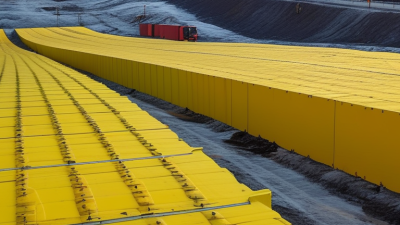
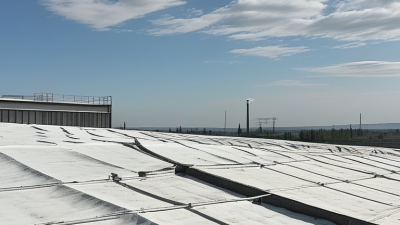
In the fast-changing world of protective coverings, Heat Tarps have really become a must-have for a lot of different jobs, especially in construction and farming. John Smith, who’s a senior engineer over at Tarps Experts, points out that these tarps are pretty much essential for keeping stuff safe in really tough conditions. It just proves how important it is to have reliable, tough heat protection options.
Heat Tarps are a game-changer because they help workers keep their projects safe from bad weather. They come in all sorts of materials and designs, which makes them pretty versatile. But here’s the thing — not all Heat Tarps are created equal. Some might not hold up well under really high temperatures, and that can mean risks or even costing someone a lot of money. So, when you’re picking one out, it’s super important to pay attention to the quality of the fabric and how well it insulates.
Another thing a lot of folks don’t realize is how key regular maintenance is. Checking your tarps often can prevent them from wearing out too quickly. Unfortunately, a lot of users think these tarps are practically indestructible and don’t give much thought to caring for them. That’s a mistake because neglecting this can lead to disappointment in the long run. By staying on top of maintenance and choosing the right one, you’ll get more bang for your buck and ensure your Heat Tarp keeps doing its job for ages.
Types of Heat Tarps: Exploring Different Materials and Designs
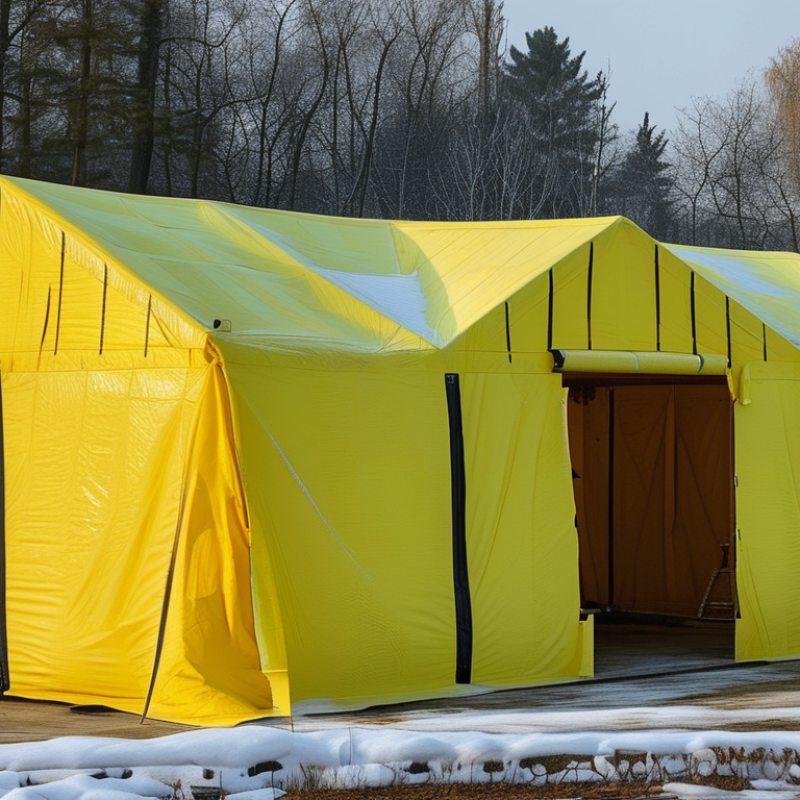
When it comes to heat protection, the choice of material for Thermal Tarps is crucial. Various materials offer different benefits based on environment and usage. For instance, heavy-duty polyethylene provides excellent UV and heat resistance. According to a 2021 industry report, over 70% of thermal tarp users prefer this material for outdoor construction projects due to its durability.
Another option is canvas, which is breathable and less prone to condensation build-up. This makes it ideal for applications in areas where airflow is necessary. Data shows that canvas Thermal Tarps can reduce internal temperatures by up to 30% under direct sunlight. However, they often require more maintenance and may not be as waterproof as their synthetic counterparts.
Design also plays a vital role in thermal tarp performance. Some designs include reinforced edges and grommets for added stability and secure fastening. In contrast, simpler designs may offer lower initial costs but can compromise durability. A study by the National Construction Association noted that tarps with superior design features last 50% longer, highlighting the importance of thoughtful choices in material and construction.
Key Features to Look for in High-Quality Heat Tarps
When choosing heat tarps, consider their material and insulation. Durable fabrics should resist wear and tear. Look for Thermal Insulated Tarps that trap heat effectively. These tarps often feature multiple layers. Each layer adds to their insulating properties. A quality tarp can withstand extreme temperatures, ensuring protection for your project.
Key features to examine include size and ease of installation. The right size ensures complete coverage. A tarp that’s easy to set up saves time. Check for reinforced edges and grommets, which provide stability. Some tarps offer UV protection, enhancing longevity. We should also think about weight. A heavy tarp may be sturdy but tough to manage. Finding the right balance is crucial.
Finally, consider how the tarp is stored. Compact designs make transportation easier. Expect some wear over time; that's normal. Regular inspections help in early detection of damage. This attention to detail ensures that your investment provides maximum protection and durability. Your choice in Thermal Insulated Tarps reflects your commitment to quality and reliability.
Best Heat Tarps for Effective Protection and Durability
| Feature | Description | Rating (out of 5) |
| Material | Heavy-duty vinyl or polyethylene for enhanced durability and heat resistance. | 4.5 |
| Size Options | Available in various sizes to fit different applications and needs. | 4.2 |
| UV Resistance | Designed to withstand UV exposure for prolonged outdoor use. | 4.7 |
| Fire Resistance | Constructed with fire-retardant materials to prevent ignition. | 4.8 |
| Reinforced Edges | Hemmed edges with grommets for added strength and easy securement. | 4.6 |
Evaluating Durability: How to Choose Long-lasting Heat Tarps
When selecting the best heat tarps, durability should be a key factor. According to industry reports, high-quality Heat Fabric can withstand temperatures exceeding 300°F. This makes it ideal for various applications, including construction and outdoor projects. However, not all heat tarps maintain their integrity over time. Some may degrade quickly due to poor materials or environmental factors.
One must consider the fabric composition. Tarps made from reinforced PVC or heavy-duty polypropylene often last longer than cheaper alternatives. A study showed that Heat Fabrics with UV-resistant coatings perform significantly better in direct sunlight. They resist fading and maintain their protective qualities.
Be cautious of thickness as well. Reports suggest that tarps with a thickness of at least 20 mils offer better durability. They provide enhanced resistance to tearing and puncturing. Many users overlook the importance of proper storage. Inadequate care can lead to premature wear, even with high-quality heat fabric. Ensuring your tarp is rolled and stored correctly can prevent scratches and damage, extending its lifespan.
Tips for Proper Installation and Maintenance of Heat Tarps
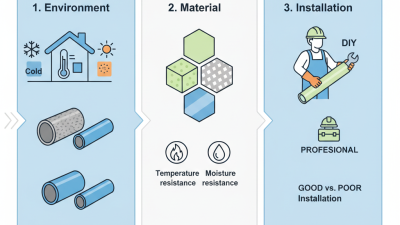
When it comes to installing heat tarps, proper placement is key. Ensure the tarp fits snugly over the area needing protection. Check for any gaps where heat could escape. It’s crucial to secure the tarp far enough from heat sources to prevent melting or damage. Using heat-resistant fasteners can enhance durability and effectiveness.
Maintenance is equally important. Regularly inspect the tarp for any signs of wear, such as tears or thinning areas. Resealing edges or seams may extend its life significantly. Clean the tarp periodically to remove debris. However, be cautious with harsh cleaners that can degrade materials.
Taking time to understand proper installation and upkeep can lead to better performance. Mistakes can happen. A poorly installed tarp might not provide sufficient protection. Reflecting on your installation process can help identify areas for improvement. Always prioritize safety and functionality in your choices.
Comparing Price Ranges: Budget-Friendly vs. Premium Heat Tarps
When considering heat tarps, buyers often face a choice between budget-friendly options and premium products. Budget tarps typically range from $30 to $75. These options provide basic functionality and can be suitable for short-term needs. Many are made from lower-grade materials, which might not withstand extreme weather events. A study by the National Institute of Standards and Technology showed that budget tarps may lose their integrity after exposure to UV light for a few hours.
On the other hand, premium heat tarps can range from $100 to $300. These tarps often feature advanced materials and construction. They can resist tearing and offer better insulation. Reports indicate premium tarps have a lifespan of up to five years or more when properly maintained. Despite the higher initial investment, the durability can lead to long-term savings. However, it’s crucial to review customer reviews and third-party evaluations as some premium brands may fail to meet their claims.
Yet, the decision is not always clear-cut. Buyers sometimes overlook the total cost of ownership. A cheap tarp might seem appealing but could require replacement within a year. In contrast, a more expensive tarp may offer resilience but still not perform as expected. Future users need to weigh the durability and effectiveness against their unique needs and local climate conditions.
Understanding Thermal Resistance Ratings in Heat Tarps
When choosing heat tarps, understanding Thermal Resistance Ratings is crucial. These ratings indicate how well a tarp can withstand heat. Higher ratings reflect better insulation properties. For example, tarps with a thermal resistance of R-5 are considerably more efficient than those rated at R-2. This difference can significantly impact heat retention in various applications.
Moreover, professionals report that materials influence performance as well. A study found that reflective tarps decrease surface temperatures by 10-20 degrees. Using multiple layers can also enhance durability and effectiveness. However, some users overlook degradation caused by UV exposure over time. Regular evaluations of tarp conditions can prevent unexpected damages.
Despite advancements, there are areas needing improvement. Some manufacturers fail to provide accurate thermal resistance data. This inconsistency complicates informed decisions for consumers. Research identified that a significant number of users misunderstand these ratings. An emphasis on education can help ensure proper use and maximize the benefits of heat tarps.
Top Brands and Products in the Heat Tarp Market Today
The heat tarp market is thriving, with various brands providing durable solutions. According to industry reports, effective heat tarps must withstand extreme temperatures and offer robust protection. High-quality Heat Materials are essential in achieving these goals. Many products employ reinforced polypropylene or vinyl, enhancing their longevity against UV rays and harsh weather.
Several top brands are currently leading the way. They consistently test their heat materials for performance and durability. Data shows that well-constructed tarps can last up to five years under heavy use. Still, it's important to remember that not all heat tarps are created equal. Some brands underdeliver on their promises, which can lead to frustrating experiences for users.
Choosing the right heat tarp involves understanding your specific needs. Whether it’s for construction sites or outdoor activities, assessing the materials used is crucial. Make sure you review customer feedback and specifications thoroughly. While the market offers many options, the quest for the best heat tarp often reveals unexpected challenges. Ensure the product fits your unique requirements and provides true value for money.
FAQS
: Budget-friendly heat tarps typically range from $30 to $75.
Premium heat tarps can cost between $100 to $300 and offer better insulation and durability.
Properly maintained premium tarps can last up to five years or more.
Thermal resistance ratings indicate how well a tarp resists heat; higher ratings mean better insulation.
Yes, reflective tarps can decrease surface temperatures by 10-20 degrees.
Some premium brands may not deliver on performance claims, warranting careful review of customer feedback.
High-quality materials enhance tarp longevity against UV rays and extreme conditions.
Many users overlook the degradation caused by UV exposure over time.
Cheaper tarps may need replacement sooner, thus increasing total ownership costs over time.
Some manufacturers do not provide accurate thermal resistance data, complicating consumer choices.
Conclusion
Heat tarps are essential tools designed to provide effective protection against extreme temperatures, built from various materials and designs. When selecting a high-quality heat tarp, it's important to focus on key features such as thermal resistance ratings, which indicate how well the tarp can withstand heat exposure. Durability is another critical factor; understanding the various options available helps consumers choose long-lasting products that maintain their performance over time.
Proper installation and maintenance tips are crucial for maximizing the lifespan and efficiency of heat tarps. Additionally, potential buyers can compare price ranges to find options that fit their budget, whether they opt for budget-friendly choices or premium models. Overall, heat tarps play a vital role in safeguarding materials and spaces from heat damage, and being informed about the market can lead to better purchasing decisions.