You know, with temperatures swinging all over the place these days, it’s pretty important to take care of your water pipes. One thing that really helps is using insulated water pipe covers. They’re a simple fix that can make a big difference—saving heat, stopping pipes from freezing, and even helping you cut down on energy bills. I read somewhere that proper insulation could boost your savings by up to 30%, which is not too shabby. Plus, it protects your pipes and keeps those utility costs in check.
Dr. Sarah Mitchell, a well-known expert at EcoThermal Solutions, puts it nicely: "Insulated water pipe covers are really key for sustainable plumbing these days." Her point hits home—more folks are realizing how important these products are. Still, a lot of people don’t quite get how big the long-term benefits are, which is kind of a missed opportunity.
If your pipes aren’t well-insulated, you could be facing some serious damage and pricey repairs. Like, one burst pipe during winter? That could cost you thousands! So, it’s really important to think carefully about what options you go for. The market offers a bunch of different products, but not all of them are the same in terms of efficiency. Honestly, figuring out what’s best can be tricky and might take a bit of research before you decide.
Overview of Insulated Water Pipe Covers and Their Importance
Insulated water pipe covers serve a critical role in protecting plumbing systems. These covers help regulate temperature and prevent freezing, especially during cold weather. An effective cover can deliver substantial energy savings by reducing heating costs. Proper insulation is essential for maintaining water flow in harsh conditions.
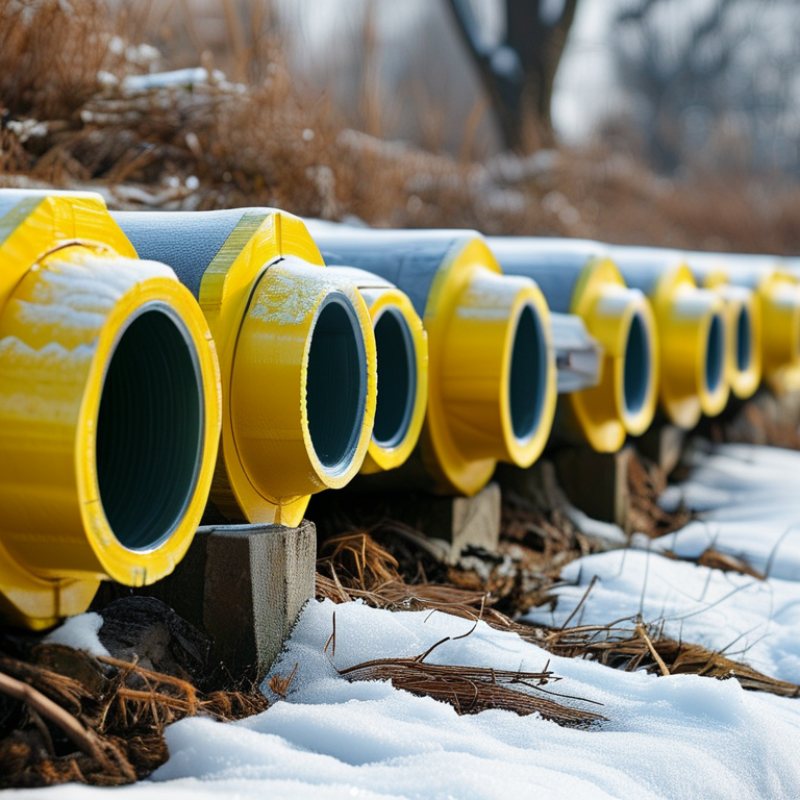
Different materials offer varying levels of insulation. Some are designed specifically for outdoor use. Insulated Outdoor Pipe Covers often feature durable exteriors that withstand environmental stress. Choosing the wrong material can lead to pipe damage over time. It’s crucial to assess your local climate before selecting a cover.
Installation is another important consideration. An improperly fitted cover may expose pipes to harsh temperatures. Regular maintenance and inspection ensure that the insulation remains effective. Homeowners often overlook these tasks, leading to unexpected repairs. By prioritizing proper care, you can extend the lifespan of your pipes and avoid costly issues later on.
Best Insulated Water Pipe Covers for Global Buyers
This bar chart illustrates the sales volume of insulated water pipe covers across different regions, highlighting the importance of these products in various markets globally.
Types of Insulated Water Pipe Covers Available in the Market
Insulated water pipe covers come in various types. Each serves a unique purpose to protect pipes from extreme temperatures. A common type is foam insulation, widely used for its lightweight properties. This material provides decent thermal resistance, helping prevent freezing during winter months.
Another option is reflective insulation. This type reflects heat away in hot climates. It is ideal for water pipes exposed to sunlight. Additionally, you can find Insulated Covers made from rubber or fiberglass. These materials are durable and effective at preventing leaks as they adapt to different conditions.
Selecting the right Insulated Covers may seem straightforward. However, some may struggle with installation. Users might need guidance to cut and fit these covers correctly. Incorrect installation can lead to gaps, reducing effectiveness. Reflecting on these challenges can help buyers make better choices in the future.
Key Features to Look for When Choosing Insulated Pipe Covers
When selecting insulated pipe covers, one must consider several key features. The primary function is to prevent freezing or overheating of the pipes. Look for materials that effectively maintain temperature. Some covers use Fiberglass Insulation, while others employ foam or reflective materials. Each has unique advantages depending on your climate and specific needs.
Another essential feature to examine is ease of installation. Many Insulated Pump Covers come with Velcro or zipper closures. These designs simplify attachment and removal, ensuring you can access your pipes quickly in emergencies. Lightweight options are generally easier to handle, but make sure they still provide adequate protection.
Tips: Always measure your pipes before purchasing covers. This ensures a snug fit, maximizing efficiency. Consider the local climate when choosing thickness. In colder regions, thicker insulation is crucial. Evaluate durability, too; some materials resist weather wear better than others. Lastly, ensure the product is flame-resistant if your area is prone to wildfires or high temperatures.
Top Brands and Models of Insulated Water Pipe Covers for Buyers
Insulated water pipe covers are essential for preventing damage from freezing temperatures. For global buyers, understanding top brands and models can make a difference. Recent studies indicate that inadequate insulation can lead to water loss of up to 10%. This is a staggering figure considering the rising costs of water and energy. Selecting the right model can significantly reduce these losses.
When evaluating insulated pipe covers, consider materials and thickness. Some models use polyethylene, while others utilize foam. The effectiveness varies. A thicker cover generally provides better insulation. Data shows that covers with five inches of insulation can maintain pipe temperature effectively during harsh winters.
Tips: Ensure a tight fit around the pipes. Gaps reduce insulation efficacy. Regularly inspect for wear or damage. Replace covers that show signs of wear promptly. Small maintenance steps can save money long-term. Choose products backed by reliable testing or certification to ensure durability and performance.
Comparative Analysis of Insulated Pipe Cover Materials
When evaluating insulated water pipe covers, various materials play a crucial role in overall effectiveness. Foam insulation is prominent due to its lightweight structure and ease of installation. Reports indicate that it can reduce heat loss by up to 70% compared to uninsulated pipes. This can significantly lower energy costs in buildings, particularly in colder climates. However, the durability of foam can sometimes be a concern. It can degrade over time, especially when exposed to UV rays.
Another material worth considering is fiberglass insulation. This option offers higher temperature resistance. Data shows that fiberglass insulation maintains performance even at extreme temperatures. Its lifespan often exceeds that of foam, making it a preferred choice for long-term applications. However, it may require specialized equipment for installation, driving up initial costs.
Some eco-friendly options are emerging in the market. These are made from recycled materials, appealing to environmentally conscious consumers. Still, the effectiveness of such materials can vary, and more research is needed to validate their insulating capabilities. As buyers explore these choices, understanding the specific conditions and requirements of their projects is essential. Insulated pipe covers are not a one-size-fits-all solution. Each material presents unique advantages and drawbacks that must be carefully weighed.
Best Insulated Water Pipe Covers for Global Buyers - Comparative Analysis of Insulated Pipe Cover Materials
| Material Type |
Insulation Rating (R-value) | Temperature Range (°F) | Water Resistance | Durability (Years) | Cost per Foot ($) |
| Foam Rubber | 3.5 | -40 to 170 | Yes | 5 | 1.50 |
| Fiberglass | 4.0 | -20 to 120 | Yes | 10 | 2.00 |
| Polyurethane | 5.5 | -40 to 200 | Yes | 15 | 3.50 |
| Mineral Wool | 3.0 | -40 to 850 | Yes | 20 | 2.75 |
| Vinyl | 2.5 | 0 to 150 | No | 3 | 1.00 |
Cost Considerations and Budget Options for Buyers
When considering insulated water pipe covers, cost is a crucial factor for buyers. The market offers a variety of options that can fit different budgets. Basic models provide adequate protection but may lack advanced insulation features. Higher-end products often ensure better temperature control and durability, justifying the higher price.
Some buyers might be tempted to go for the cheapest option. However, this could lead to issues. Inadequate insulation can result in frozen pipes and costly repairs later on. It's wise to evaluate long-term costs versus initial savings. A mid-range solution could offer the right balance between quality and affordability.
Buyers should also consider installation expenses. Some covers are easy to fit, while others require professional help. A seemingly inexpensive option might become costly when factoring in installation fees. Exploring reviews and testimonials can help gauge the product's reliability and effectiveness. This research can guide inhabitants to make informed decisions, avoiding overspending on ineffective products.
Installation and Maintenance Tips for Insulated Water Pipe Covers
When it comes to insulated water pipe covers, proper installation is key. Users often overlook the specific dimensions necessary for a snug fit. Before applying any cover, measure the pipe carefully. Inadequate sizing can lead to gaps, reducing insulation effectiveness. Always check for potential weak points where cold air might enter.
Maintenance is equally important. Periodically inspect the Insulated Outdoor Covers for wear and damage. Look for cracks or tears that can compromise insulation. If you notice any issues, replace the covers promptly. Regular cleaning is also essential. Debris accumulation can trap moisture, promoting mold growth. Use a damp cloth to wipe them down.
Additionally, consider seasonal changes. During colder months, extra insulation might be needed. Some homeowners may find that their initial choices didn't provide sufficient protection. Reflecting on your experience can guide future purchases and installations. Effective knowledge empowers you to choose the right Insulated Outdoor covers. Always prioritize the longevity and efficiency of your plumbing system by maintaining these vital components.
FAQS
: They protect plumbing systems and regulate temperature, preventing freezing in cold weather.
They reduce heating costs by maintaining warm temperatures during harsh conditions.
Assess local climate and ensure the material suits outdoor conditions for durability.
An improper fit may expose pipes to cold temperatures, compromising insulation effectiveness.
Regularly inspect for wear, clean them, and replace any damaged covers promptly.
Covers with five inches of insulation are usually effective in harsh winters.
They often neglect regular inspection and cleaning, leading to unexpected repairs.
Measure the pipe dimensions accurately and check for any potential weak points.
Inadequate insulation can lead to water loss and unexpected plumbing costs.
Extra insulation may be necessary during colder months if initial choices were insufficient.
Conclusion
Insulated Water Pipe Covers are essential for protecting plumbing systems from temperature fluctuations, preventing freezing and reducing energy costs. This article provides a comprehensive overview of these covers, highlighting the different types available in the market and their significance for homeowners and businesses alike. Key features to consider when choosing insulated pipe covers include material durability, heat retention efficiency, and ease of installation.
Moreover, the article delves into the various materials used in insulated pipe covers, comparing their effectiveness and cost implications. It emphasizes the importance of selecting the right product based on individual needs and budget. To facilitate proper usage, practical installation and maintenance tips are also shared, ensuring that users can maximize the lifespan and effectiveness of their insulated water pipe covers.