Welcome to JIECHENG

China has really established itself as a major hub for sourcing Blanket Thermal Insulation products, especially for things like construction, industrial equipment, pipelines, and high-temperature setups. Instead of just handing you a random list of popular brands, this guide actually highlights ten Chinese suppliers that are worth taking a closer look at. Keep in mind, though—product quality can vary a lot from one factory to another, even if their websites seem similar. So, don’t assume they’re all the same.
In this review, I'll cover manufacturers like Luyang Energy-Saving Materials Co., Ltd., Shandong Fiberglass Group, and Beijing Huiteng Insulation Materials Co., Ltd. Plus, I’ll look at companies experienced with ceramic fiber, fiberglass, mineral wool, and Removable Insulation blankets. We’ll dig into the important details—thermal conductivity, max service temperature, fiber density, thickness options, fire ratings, packaging, and export support. I'll also pay attention to certifications, testing records, what kind of production equipment they use, and the industries they typically serve.
A good supplier should be able to send consistent samples, provide clear technical info, and have transparent quality control processes. They should also be upfront about any limitations. Keep in mind, how a blanket performs depends on how it’s installed, exposure to moisture, compression, and operating temperatures—small differences really matter here. Just because a supplier’s catalog looks super impressive doesn’t mean it’ll perform well in the real world. So, when choosing, I recommend combining info from public sources, hands-on product experience, technical comparisons, and questions that actually matter to buyers.
Also, a quick note: the term Thermal Blanket Insulation can mean different things depending on where you’re shopping. Always double-check the specs before placing an order. No supplier is perfect, so make sure to request samples, review documentation carefully, and compare total costs. That way, you’ll be in a better spot to make an informed decision.
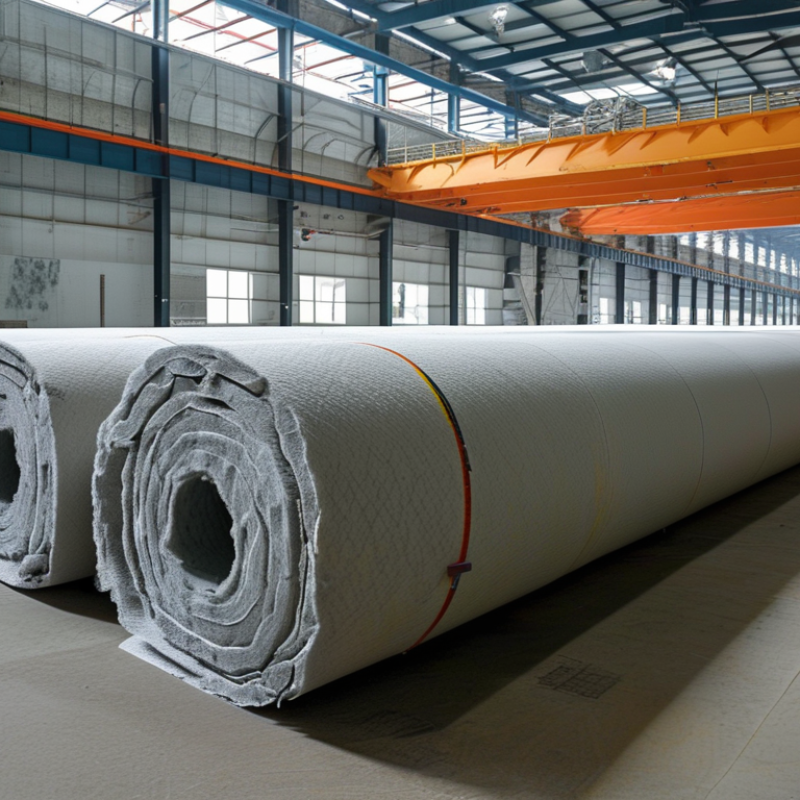
A blanket thermal Insulation Supplier should provide more than a soft, heat-resistant sheet. It should offer complete material data, stable production, and practical application support. Qualified suppliers typically manufacture or control blankets made from mineral fiber, ceramic fiber, fiberglass, or other engineered materials. They should explain thermal conductivity, service temperature, density, thickness, and shrinkage clearly. Vague claims are warning signs.
The market scope also includes suppliers that cut, stitch, laminate, or customize insulation blankets for pipes, ovens, tanks, ducts, and industrial equipment. Experience matters here. A supplier familiar with high-temperature furnace doors may understand heat loss better than a general textile distributor. Ask for batch records, test methods, sample results, and installation guidance. Independent testing adds confidence, although paperwork can still miss real-world problems. I have seen insulation perform well in a laboratory but fail after repeated bending.
Tips: Compare samples under the same thickness and temperature conditions. Check edge quality, stitching, surface damage, and handling comfort. Confirm packaging protects the blanket from moisture and compression. Ask how rejected batches are controlled. A reliable supplier should answer directly, not hide behind technical language. Start small. A pilot order can reveal inconsistent density, delayed delivery, or unclear after-sales support before a larger purchase.
China Top 10 Blanket Thermal Insulation Suppliers?
A credible China Top 10 ranking needs more than factory photos. Capacity should receive the highest weight, around 35 percent. Audited output, production lines, and lead-time records reveal whether a supplier can handle large projects. Certifications deserve 25 percent, including ISO 9001, ISO 14001, and tested fire-performance documents. The International Trade Centre’s Trade Map identifies China as a major exporter of insulating materials under HS 6806. That supports export capability as a practical ranking signal, not a marketing claim. Export records should cover destination diversity, shipment consistency, and customs compliance. Numbers can still mislead.
Product range may take 15 percent. Strong suppliers usually offer ceramic fiber, mineral wool, fiberglass, aerogel, and removable Blanket Thermal Insulation systems. Range matters when a plant needs different temperature ratings and installation methods. Grand View Research estimated the global insulation market at over USD 70 billion in 2023, with continued growth expected this decade. This demand encourages rapid expansion, but expansion is not always quality. A supplier with several small workshops may appear flexible yet lack stable testing capacity. I would verify factory audits, sample reports, and batch traceability before accepting any ranking. Certification dates also need checking. Some lists overlook this detail.
Anonymized supplier benchmark based on commonly used sourcing indicators for thermal insulation blankets.
| Rank | Anonymized Supplier | Estimated Annual Capacity (million units) | Export Share (%) | Common Certifications | Product Range (Key Categories) | Typical GSM Range | Lead Time (Days) | Composite Score (100) |
|---|---|---|---|---|---|---|---|---|
| 1 | Supplier A | 18–25 | 85–95 | ISO 9001, OEKO-TEX, BSCI, GRS | 5+ | 80–500 | 20–35 | 92 |
| 2 | Supplier B | 15–22 | 75–90 | ISO 9001, OEKO-TEX, BSCI | 5+ | 100–600 | 22–38 | 89 |
| 3 | Supplier C | 12–20 | 70–88 | ISO 9001, OEKO-TEX, Sedex | 4+ | 100–500 | 25–40 | 86 |
| 4 | Supplier D | 10–18 | 65–85 | ISO 9001, OEKO-TEX, GRS | 4+ | 80–450 | 25–42 | 83 |
| 5 | Supplier E | 8–15 | 60–82 | ISO 9001, OEKO-TEX, BSCI | 4+ | 100–600 | 28–45 | 80 |
| 6 | Supplier F | 7–13 | 55–78 | ISO 9001, OEKO-TEX | 3+ | 100–450 | 28–45 | 76 |
| 7 | Supplier G | 6–12 | 50–75 | ISO 9001, BSCI, Sedex | 3+ | 80–400 | 30–48 | 73 |
| 8 | Supplier H | 5–10 | 45–72 | ISO 9001, OEKO-TEX | 3+ | 100–500 | 30–50 | 70 |
| 9 | Supplier I | 4–9 | 40–68 | ISO 9001, BSCI | 2+ | 120–450 | 32–50 | 67 |
| 10 | Supplier J | 3–8 | 35–65 | ISO 9001, OEKO-TEX | 2+ | 100–400 | 35–55 | 64 |
When comparing China’s top ten blanket insulation suppliers, material choice should guide the review. Fiberglass blankets suit moderate temperatures, ductwork, ovens, and general industrial insulation. They are lightweight, flexible, and relatively economical. However, exposed fibers can irritate skin and lungs, so proper handling remains essential. I would request density, thickness, thermal conductivity, and temperature data before judging quality.
Ceramic fiber blankets perform better in high-temperature furnaces, kilns, and heat-treatment equipment. Their low heat storage helps reduce heating and cooling time. Silica blankets offer excellent thermal resistance and low shrinkage, especially where compact insulation is valuable. They usually cost more and require careful cutting. Aerogel blankets are thinner and highly efficient, making them useful in restricted spaces and complex pipe systems.
A practical test.
Supplier reliability depends on more than catalog figures. Ask for batch inspection records, test methods, dimensional tolerances, and sample performance. Check whether the supplier can maintain stable needle-punching, fiber distribution, and moisture control. Site experience matters. During installation, I have seen a thin gap create more heat loss than a lower-grade material.
Not always.
Some published values also reflect ideal laboratory conditions, not dusty factories or vibrating pipelines. I would recheck compression recovery, surface strength, and long-term shrinkage before approving any top-ten supplier.
China’s top ten blanket thermal insulation suppliers should be compared by measured thermal conductivity, not advertising claims. At 23°C, reported values may range from 0.020 to 0.10 W/m·K. This gap is significant. A blanket rated at 0.020 W/m·K can resist heat flow more effectively than one rated at 0.10 W/m·K, assuming identical thickness and test conditions.
The Thermal Insulation Blanket Material should be evaluated with a documented laboratory method. Ask for test temperature, sample thickness, density, moisture level, and aging results. A dry sample may show 0.020 W/m·K, while humid storage can increase performance loss. In practical factory checks, edges often compress first, creating cold bridges around pipes, tanks, or equipment covers. Supplier experience matters here. Still, one test report is not enough. Results can vary between batches, and I have seen nominal values change after repeated handling. That uncertainty deserves attention.
Tips: Request three production samples. Measure thickness after compression. Compare conductivity at 23°C and after moisture exposure. Check whether the supplier explains deviations clearly. A careful supplier should provide traceable reports, realistic tolerances, and installation guidance, rather than promise one perfect number. Small details matter.
When comparing Chinese suppliers, temperature ratings deserve more attention than catalog rankings. A 550°C blanket suits moderate heat zones, such as duct covers, oven doors, and removable pipe jackets. A 1260°C grade usually offers stronger resistance for furnace linings and kiln insulation. The 1600°C class targets severe environments, including high-temperature heat shields and selected industrial furnace areas. These figures describe maximum classification temperatures, not guaranteed continuous operating temperatures.
An Industrial Thermal Insulation Blanket must also match thickness, density, fiber structure, and installation method. A thin 1600°C blanket may insulate less effectively than a thicker 1260°C product. Shrinkage can appear around joints, especially after repeated heating cycles. This detail is often missed. A rating alone cannot predict service life.
Tips: Request independent test reports, batch traceability, shrinkage data, and working-temperature guidance. Check whether the blanket contains binders, because initial heating may release smoke or odors. Inspect a sample after heating it to the intended temperature. I would also compare edge integrity and flexibility by hand. Supplier claims can be useful, but they still need verification. Even careful specifications may leave questions about long-term performance.
China Top 10 Blanket Thermal Insulation Suppliers?
China’s top ten blanket insulation suppliers cover industrial, construction, automotive, and energy markets. Their product ranges include fiberglass blankets, ceramic fiber blankets, mineral wool rolls, and removable insulation covers. Many factories produce Waterproof Thermal Insulation Blanket materials for outdoor equipment, pipelines, tanks, and temporary shelters. Buyers should check temperature ratings, density, thickness, water resistance, and edge stitching before comparing prices.
Manufacturing strength differs across the group. Some suppliers operate automated fiber-forming lines and continuous needle-punching equipment. Others rely on skilled workers for custom covers, reinforced seams, and irregular shapes. Export-oriented factories usually maintain documented inspections, batch traceability, and English technical files. These details matter when materials face vibration, rain, or repeated installation. A supplier serving power plants may understand high-temperature performance better than a general construction vendor.
Markets also reveal useful differences. Southeast Asian buyers often prioritize moisture resistance and fast delivery. European and North American customers usually request test reports, stable tolerances, and clearer compliance records. No ranking is perfect. A large factory may still provide weak after-sales support. A smaller workshop may offer better customization but limited capacity. Requesting samples, production photos, and recent inspection records gives a more reliable picture than catalog claims. Small details matter. Checking the blanket after compression can expose fiber shedding, uneven thickness, or poor stitching.
Typical maximum service temperatures of blanket insulation products commonly manufactured and supplied in China.
Ceramic fiber and soluble fiber blankets serve high-temperature furnace, kiln, and petrochemical applications, while rock wool, glass wool, and aerogel blankets are widely used in building envelopes, HVAC systems, industrial equipment, and energy infrastructure. The temperature figures represent typical upper service-temperature ranges for the material categories and can vary by density, binder, grade, and installation conditions.
When comparing China’s top 10 blanket thermal insulation suppliers, test evidence should come before catalog claims. Request ASTM C177 reports for guarded heat flow measurements. Also ask for GB/T 10295 data, especially when selling into China. Check the tested temperature, density, thickness, and moisture condition. A thermal conductivity value without these details is difficult to compare fairly.
MOQ can change by fiber type, blanket width, stitching, and packaging. Ask whether the quoted MOQ applies to one size or the entire order. Request a sample before approving production. Measure thickness after unpacking, because compressed blankets may recover slowly. Pricing should separate material, cutting, packaging, testing, and delivery charges. Confirm the currency and trade terms. A low quote can still be a poor buy. I have found that missing test costs often appear later.
Lead time needs a written breakdown. Separate sample preparation, raw material scheduling, production, inspection, and shipping. Ask how delays are handled when specifications change. Review the supplier’s recent test reports, quality records, and response speed. Reliable suppliers should explain deviations instead of hiding them. Do not accept copied reports with unclear laboratories or mismatched product names. One practical weakness remains: paper compliance cannot prove installation performance. Check the blanket’s recovery, surface durability, and fit around pipes or equipment before placing a large order.
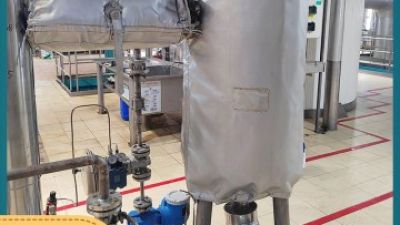
The Durable Removable Industrial Insulation Garment is designed for efficient thermal protection in demanding work environments where stable performance, easy maintenance, and long service life are essential. Its insulation system supports applications across a broad temperature range from -70°C to 1000°C, helping reduce heat transfer around industrial equipment, pipelines, valves, flanges, and other high-temperature components. With thermal conductivity below 0.035 W/(m·K) at normal temperature, the garment provides effective insulation while maintaining a practical thickness of 35–50 mm and a material density of 100–200 kg/m³.
Built for repeated industrial use, the removable construction allows convenient installation, inspection, cleaning, and re fitting without replacing the entire insulation system. The material features Grade A non-flammable performance and offers resistance to acids, alkalis, corrosion, water, and oil, making it suitable for challenging environments involving moisture, chemical exposure, and heavy-duty operations. Its durable structure is designed to deliver a service life of more than 10 years under appropriate operating and maintenance conditions, supporting consistent thermal management and helping improve workplace efficiency around demanding industrial processes.
: Reported values may range from 0.020 to 0.10 W/m·K at 23°C. Lower conductivity usually means better heat resistance at equal thickness. Test conditions matter. Always check density, thickness, moisture, and sample age.
A dry sample may perform well during testing. Humidity, compression, and repeated handling can reduce its insulation performance. Edges may compress first, creating cold bridges around pipes or tanks. One report cannot represent every production batch.
Request the test temperature, thickness, density, moisture level, and aging results. Ask for reports using ASTM C177 or GB/T 10295 methods. The laboratory should be identifiable and the product name should match. Copied documents deserve caution.
Request three samples from normal production. Measure thickness after unpacking and compression. Compare conductivity before and after moisture exposure. Check whether the blanket recovers evenly. It may recover slowly.
Inspect edges, seams, corners, and fastened areas. Look for gaps, thin spots, surface damage, and uneven fitting. A blanket can show good laboratory results but perform poorly after installation. Fit matters greatly.
Confirm whether the minimum applies to one size, one width, or the whole order. Fiber type, stitching, packaging, and cutting can change the requirement. Ask about sample quantities separately. Small orders may cost more per unit.
Request separate costs for material, cutting, packaging, testing, and delivery. Confirm the currency and delivery terms in writing. A low quotation may exclude testing or later handling charges. That surprise is avoidable.
Ask for separate schedules for samples, materials, production, inspection, and shipping. Clarify how specification changes affect the schedule. Review response speed and recent quality records. Promises can still fail. Written details help.
This guide presents a practical overview of China’s top 10 Blanket Thermal Insulation suppliers by defining the market scope and evaluating manufacturers through production capacity, quality certifications, export experience, and product diversity. It compares fiberglass, ceramic fiber, silica, and aerogel blankets, helping buyers understand how material selection affects flexibility, durability, weight, and insulation performance. Thermal conductivity is benchmarked within the approximate range of 0.020–0.10 W/m·K at 23°C, while temperature ratings are reviewed across common grades of 550°C, 1260°C, and 1600°C.
The comparison also considers each supplier’s manufacturing strengths, target industries, product applications, and international market coverage without focusing on individual brand names. To support purchasing decisions, the article outlines key checklist items, including ASTM C177 and GB/T 10295 testing, minimum order quantities, pricing structure, customization options, packaging, and expected lead times. This framework enables buyers to select suitable Blanket Thermal Insulation products based on technical requirements, compliance needs, budget, and delivery reliability.