Picking the right Thermal Barrier Material can feel a bit overwhelming at first, right? There are so many factors to consider when you're trying to find the perfect fit for your specific project. Brands like IsoTherm and ThermalGuard have lots of options, each with their own special features, which can make things even more confusing.
The thing is, how well a thermal barrier works really depends on where you plan to use it. For instance, materials that are great for outside insulation might not be suitable for indoor walls. Knowing these differences is super helpful in making smarter choices. It's also key to think about things like how durable the material is, how much it costs, and whether it’ll help you save on energy bills.
Even folks who’ve been in the game for a while can find it tricky to pick the perfect one—there's just so much out there. Sometimes, an inexpensive option might look tempting, but it might not hold up in the long run. Taking the time to think about different scenarios and what you really need can make a big difference. At the end of the day, the best thermal barrier is the one that checks all the boxes for what you need, both functionally and budget-wise.
Understanding Thermal Barriers and Their Importance
Understanding thermal barriers is crucial for many applications. They serve as a protective layer, preventing heat transfer. This is essential in industries such as construction, automotive, and aerospace. According to a report from the U.S. Department of Energy, effective thermal barriers can reduce energy consumption by up to 30%. This statistic highlights the significance of choosing the right Thermal Barrier Material.
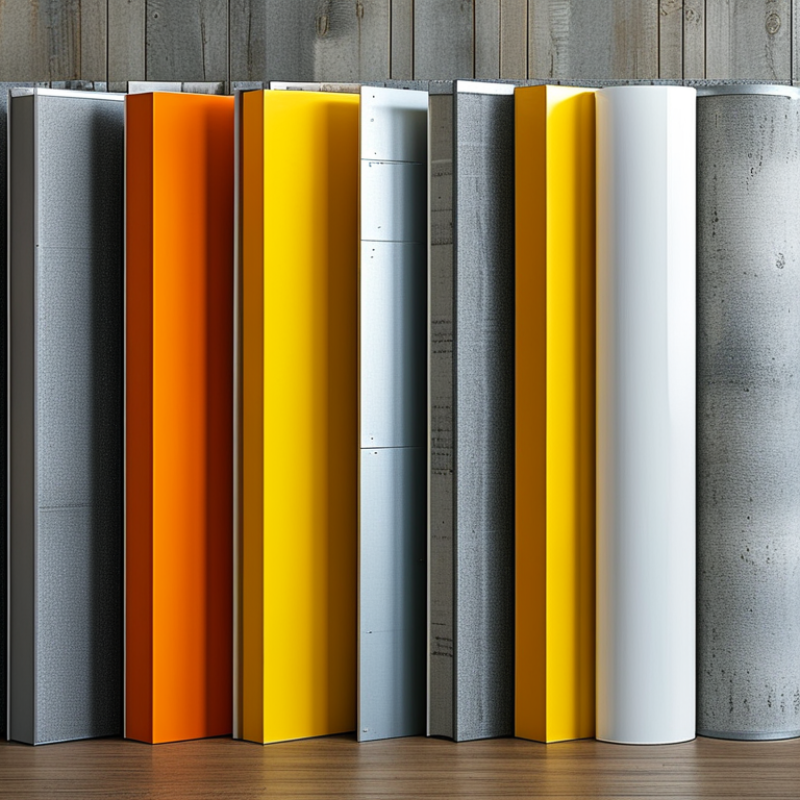
Thermal barrier materials come in various forms. These range from rigid foams to reflective films. Each material has its own unique properties. For example, aerogels are known for their lightweight nature and low thermal conductivity. However, they can be expensive and may not always be suitable for high-stress environments. Reflective materials, while affordable, may lack durability under extreme conditions. It’s important to assess the specific needs of your project.
Consider the environment where the thermal barrier will be applied. Factors like temperature fluctuations, exposure to moisture, and physical wear matter. A 2022 study indicated that improper material selection could lead to failures, resulting in increased costs. Not every thermal barrier material will meet all project requirements, reflecting the complexity of making the best choice. Understanding these nuances helps in making informed decisions.
Key Properties to Consider in Thermal Barrier Materials
When selecting the best thermal barrier material, key properties play a crucial role. One of the most important is thermal conductivity. Lower conductivity indicates better insulation. Look for materials that can effectively reduce heat transfer, especially in extreme environments. This property is usually measured in watts per meter-kelvin (W/m·K). The lower the number, the more effective the material is at slowing down thermal energy movement.
Another vital property to consider is fire resistance. Materials that can withstand high temperatures without degrading are essential for safety. Verify the material's fire rating through appropriate certifications. This ensures it can handle exposure to flames or intense heat without compromising its structural integrity.
Durability is often overlooked, yet it is critical. A thermal barrier should be robust enough to resist wear and tear over time. Evaluate the material's lifespan, especially in high-stress applications. Sometimes, the best-performing materials might be expensive or require careful handling. Reflecting on these aspects can help ensure that the chosen barrier meets long-term needs without frequent replacements.
Types of Thermal Barrier Materials Available in the Market
When selecting a thermal barrier material, understanding the options available is crucial. Common types include fiberglass, mineral wool, and foam boards. Fiberglass is well-known for its effectiveness. According to the U.S. Department of Energy, Fiberglass Insulation can achieve an R-value of up to 4.3 per inch. This makes it an excellent choice for residential applications.
Mineral wool, or rock wool, offers high thermal resistance and fire resilience. It can withstand temperatures up to 1,800°F. Additionally, reports show that it provides sound insulation benefits. This makes it a suitable choice for structures requiring soundproofing along with thermal resistance. However, some may find it heavier and more challenging to install compared to other materials.
Foam boards are another option, known for their high R-values that can reach 6 to 8 per inch. They are lightweight and are often used in exterior wall applications. Meanwhile, some users report difficulties with handling, especially during installation. Every material has its pros and cons, so evaluating the specific needs of a project is essential.
Evaluating Thermal Performance Ratings of Materials
Choosing the right thermal barrier material involves understanding thermal performance ratings. These ratings indicate how well a material can resist heat flow. Often, ratings are given as R-values, which represent resistance to heat transfer. Higher R-values mean better thermal resistance. However, don't get lost in numbers; other factors also matter.
The material's density, for example, can affect its thermal performance. Denser materials often provide better insulation but may be heavier and harder to work with. Also, consider durability. A material that degrades quickly under heat may not be the best choice, even if it has a high R-value. It's essential to balance performance with practicality.
Reflect on your specific needs. Are you insulating a roof, wall, or floor? Each application may require different characteristics. Additionally, environmental factors play a role. Moisture levels and temperature fluctuations can impact how materials perform over time. Always look for data from reliable sources when evaluating materials.
How to Choose the Best Thermal Barrier Material for Your Needs? - Evaluating Thermal Performance Ratings of Materials
| Material Type | R-Value (m²·K/W) | Thermal Conductivity (W/m·K) | Fire Resistance Class | Weight (kg/m²) | Application |
| Polyurethane Foam | 6.0 | 0.022 | B2 | 3.0 | Insulation Panels |
| Fiberglass | 4.0 | 0.035 | A2 | 2.5 | Wall Insulation |
| Mineral Wool | 3.5 | 0.040 | A1 | 6.0 | Roof Insulation |
| Cellulose | 3.8 | 0.040 | B1 | 2.0 | Attic Insulation |
| Spray Foam | 6.5 | 0.024 | B2 | 5.0 | Sealing Cracks |
Cost Considerations When Choosing Thermal Barrier Solutions
When considering thermal barrier solutions, cost plays a crucial role. The price of materials can vary widely. High-performance thermal barriers often come at a premium. However, investing in quality can lead to long-term savings in energy bills. Cheaper options may reduce initial costs but can wear out faster. This is an essential factor to weigh.
Make sure to calculate the total cost of ownership. Include installation, maintenance, and potential replacement costs. While some materials may seem affordable upfront, they might require frequent repairs. Look for options that balance cost and durability. Evaluating your specific needs can help identify the best solution.
Navigating the thermal barrier market can be tricky. Not all materials perform the same under various conditions. Research performance data thoroughly. It’s important to understand how temperature variations affect different materials. Reflection on past projects may reveal insights. A comprehensive evaluation will lead to better decision-making.
Choosing the Best Thermal Barrier Material: Cost Comparison
Application-Specific Requirements for Thermal Barriers
When choosing thermal barrier materials, specific requirements based on application play a crucial role. Understanding the environment in which the material will be used is essential. For example, industrial applications may require materials that can withstand high temperatures and resist chemical exposure. In contrast, residential applications might prioritize comfort and insulation efficiency.
It’s also important to consider the material's thermal conductivity and weight. Lighter materials can simplify installation but may not provide adequate thermal protection in certain circumstances. On the other hand, heavier materials may offer superior thermal resistance but can increase labor costs. Each choice carries potential trade-offs.
Another aspect involves fire resistance ratings. Certain applications demand strict compliance with safety standards. Failing to meet these can lead to disastrous consequences. Ultimately, thoughtful consideration of these factors will guide you towards the most suitable Thermal Heat Shield Material, aligning it with your specific needs. Addressing your unique challenges will ensure optimal performance and safety.
Maintenance and Longevity of Thermal Barrier Materials
When selecting thermal barrier materials, considering their maintenance and longevity is crucial. Many products promise high Thermal Insulation, but what happens after installation? Regular inspection is essential. You want materials that stand the test of time in various environments. Moisture, extreme temperatures, and physical wear affect performance. Ignoring these factors can lead to increased energy costs and potential damage.
High Thermal Insulation Material can lose efficiency if not maintained properly. Occasional cleaning can prevent dust and debris from accumulating. This buildup may degrade insulation properties over time. Moreover, some materials may require specific care. Understanding the manufacturer's guidelines is vital for ensuring longevity. Investing in quality and following maintenance advice can significantly enhance performance.
Life cycles vary among thermal barrier materials. Some might last decades, while others need replacement sooner. It's critical to evaluate your needs and usage effectively. Making a well-informed choice today can prevent costly issues down the line. Always reflect on your selection to ensure it meets future demands.
FAQS
: Common types include fiberglass, mineral wool, and foam boards. Each has its unique properties and applications.
Fiberglass insulation can achieve an R-value of up to 4.3 per inch. It’s effective for residential use.
Mineral wool can withstand temperatures up to 1,800°F. It offers both thermal resistance and fire resilience.
Foam boards can provide R-values of 6 to 8 per inch. They are lightweight, suitable for exterior applications.
Regular inspection helps maintain performance. Neglect can lead to increased energy costs and damage over time.
Moisture levels and temperature fluctuations impact performance. Choose materials suited for specific environmental conditions.
Evaluate your project needs and installation challenges. Understanding these factors can lead to a better choice.
Denser materials often provide better insulation but can be heavier. Balance performance with ease of installation.
Accumulation can degrade insulation properties over time. Occasional cleaning is necessary to maintain efficiency.
Follow manufacturer guidelines for maintenance. Investing in quality can enhance performance and durability.
Conclusion
Choosing the right thermal barrier material is crucial for effective temperature control in various applications. Understanding the significance of thermal barriers starts with recognizing their ability to resist heat transfer, which is essential in improving energy efficiency and protecting structures. When selecting a thermal barrier material, key properties such as thermal conductivity, density, and fire resistance should be thoroughly assessed.
There are various types of thermal barrier materials available, ranging from rigid foams to reflective barriers, each serving different purposes based on specific needs. Evaluating thermal performance ratings helps in determining the efficiency of these materials, while cost considerations play a vital role in budget planning. Additionally, it’s important to account for application-specific requirements and the anticipated longevity and maintenance needs of the thermal barrier material to ensure optimal performance over time.