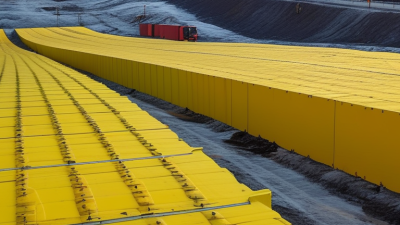
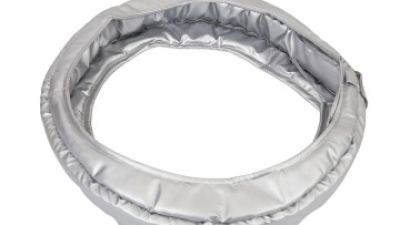
You know, in the construction world, making the right call on materials is kind of a big deal. Lately, I've seen more folks leaning towards Hot Insulation Material because it really helps save energy. According to the latest from the International Energy Agency, good insulation can cut down energy use by as much as 30%. That really drives home how important it is to choose the right insulation for your projects.
Using Hot Insulation doesn’t just keep things cozy; it also boosts safety. The North American Insulation Manufacturers Association points out that materials meant for high temps can seriously reduce the risk of fires. But here’s the thing — choosing the right material isn’t always straightforward. A lot of projects hit bumps simply because folks don’t have all the info about what materials can do or how to use them properly.
Of course, Hot Insulation Material comes with some clear advantages, but picking the best type for your specific needs takes a bit of thought. Things like making sure it works well with what’s already there and sticking to local rules can make things tricky. That’s why chatting with experts can be a real lifesaver. All in all, investing in good-quality insulation isn’t just about saving money now — it’s about building smarter, more sustainable, and cost-effective structures in the long run.
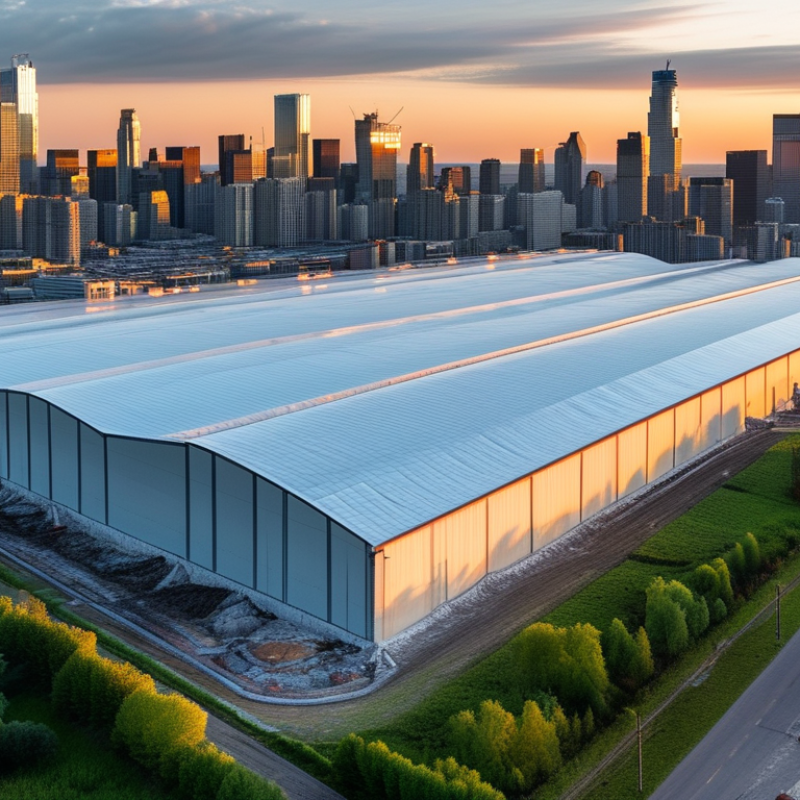
Benefits of Hot Insulation Materials in Construction Projects
Hot insulation materials are essential in construction projects. They provide effective thermal resistance, saving energy and costs. By reducing heat loss, these materials keep buildings warm in winter and cool in summer. This can significantly lower heating and cooling expenses over time.
Using Hot Pipe Insulation Material enhances energy efficiency. It allows systems to operate at optimal temperatures. This is crucial for industrial applications, where precise temperature control is necessary. However, not all insulation materials perform equally. The choice of the right type matters for achieving desired outcomes.
A common challenge is ensuring proper installation. Poorly installed Hot Pipe Insulation material can lead to leaks and inefficiencies. It’s vital to work with skilled professionals who understand the nuances of these products. Their expertise ensures that insulation performs well, providing long-term benefits while adhering to safety standards. Each project presents unique requirements, making tailored solutions an important consideration.
Types of Hot Insulation Materials Available on the Market
When selecting hot insulation materials for projects, it’s vital to understand the options available. Several types of hot insulation materials are widely used today, each serving specific needs. Mineral wool is a popular choice. It offers excellent thermal resistance and soundproofing. This material is made from natural or synthetic fibers, providing durability and efficiency.
Another option is fiberglass insulation. It is lightweight and easy to install. Fiberglass can resist high temperatures, making it suitable for industrial settings. Some projects may benefit from cellulose insulation. This eco-friendly material is made from recycled paper, offering good thermal properties while reducing waste.
Consider using reflective insulation. It reflects radiant heat, keeping enclosed spaces cooler. This type is particularly useful in roofing systems. Remember, not all materials perform the same way in different environments. Evaluating specific project conditions is essential.
Insulation failures can occur. Be cautious about air leaks that may decrease efficiency. Regular maintenance is crucial for long-lasting performance. Installing insulation correctly is as important as the material choice. A small oversight may lead to bigger issues down the line. Always seek expert advice.
Factors to Consider When Selecting Hot Insulation Materials
When selecting hot insulation materials for your project, several key factors come into play. The temperature range the insulation needs to withstand is crucial. You want materials that can perform under high temperatures without degrading. Look for properties like thermal resistance and stability. These are essential for maintaining efficiency and safety.
Another factor is the material's durability. Hot insulation materials should endure environmental stressors such as moisture and chemicals. In extreme conditions, inadequate insulation can lead to failures. Assess how well the material resists corrosion and wear over time. This aspect is vital, especially for industrial applications.
Cost is always a consideration. High-quality materials can be an investment upfront. However, they often lead to savings through energy efficiency. Evaluate life cycle costs to ensure you're making a wise decision. It’s critical to strike a balance between budget and performance. These details matter in avoiding future issues.
Why Choose Hot Insulation Material for Your Next Project? - Factors to Consider When Selecting Hot Insulation Materials
| Material | Temperature Resistance (°C) | Thermal Conductivity (W/m·K) | Density (kg/m³) | Estimated Cost ($/m²) |
| Fiberglass | 580 | 0.04 | 16 | 5.00 |
| Mineral Wool | 700 | 0.035 | 50 | 6.50 |
| Calcium Silicate | 1000 | 0.06 | 160 | 12.00 |
| Cellular Glass | 450 | 0.045 | 120 | 15.00 |
| Aerogel | 650 | 0.013 | 150 | 25.00 |
Applications of Hot Insulation Materials in Various Industries
Hot insulation materials play a vital role in various industries. Many sectors utilize these materials to enhance energy efficiency. For example, the oil and gas industry relies heavily on hot insulation to maintain optimal temperatures in pipelines. According to a recent industry report, effective insulation can reduce heat loss by up to 90%, leading to significant cost savings and increased productivity.
In the power generation sector, hot insulation materials are essential for maintaining the efficiency of steam systems. A study indicated that the right insulation can save facilities up to 15% on energy costs. Additionally, the chemical processing industry benefits from these materials by preventing heat loss during operations. Proper insulation can extend equipment life and improve safety, as it reduces the risk of thermal shock.
While the benefits are clear, challenges exist. Selecting the right insulation material requires careful consideration of temperature ranges and environmental factors. Many engineers face dilemmas in balancing cost and performance. This underscores the importance of expertise in insulation selection, as poor choices can lead to inefficiencies and increased operational costs.
Cost-Effectiveness of Hot Insulation Materials Over Time
Hot insulation materials play a critical role in enhancing energy efficiency in construction projects. When considering cost-effectiveness, these materials often deliver long-term savings. Initial investments can seem high, but the returns are substantial. Lower energy bills and minimal maintenance costs can quickly offset the upfront expenses. For large facilities, the savings can be significant over time.
Remember to assess your specific project needs before selection. Different environments may require different materials. Also, consider the lifecycle and durability of your chosen insulation. Understanding these factors can greatly improve your decision-making process. Think about how thermal resistance can affect your operational budget in the long run.
Incorporate energy audits to better understand your current insulation performance. Often, older materials may not meet modern efficacy standards. Upgrading could reduce energy consumption significantly. Embracing the latest insulation technology can also prevent costly renovations later. Taking time to evaluate all options can reveal immense benefits for your project’s future.
Installation Techniques for Efficient Hot Insulation
Installing efficient hot insulation requires attention to detail. Proper techniques can significantly enhance performance. Begin with a thorough assessment of the area. Identify any potential challenges, such as moisture or uneven surfaces. These factors can impact the effectiveness of your chosen Hot Water Pipe Insulation Material. Make necessary adjustments before proceeding.
When applying insulation, ensure a tight fit around the pipes. Gaps can lead to energy loss and increased costs. Use high-quality adhesive to secure the insulation in place. It's also crucial to avoid compression of the material. This can diminish its insulating properties. If you're unsure, consult with professionals. They can provide insights tailored to your specific project needs.
Finally, monitor the installation process closely. Regular checks can catch issues before they escalate. Be open to modifying your approach based on the results you observe. This could be necessary for achieving optimal insulation efficiency. Remember, the choice of Hot Water Pipe Insulation Material will significantly influence the overall success of your project.
Environmental Impact and Sustainability of Hot Insulation Materials
Choosing hot insulation materials for any project carries significant implications for sustainability. These materials often reduce energy consumption, which directly benefits the environment. They play a crucial role in maintaining optimal temperatures, thereby minimizing heat loss. This efficiency can lead to lower energy bills and reduced carbon footprints.
However, not all hot insulation materials are created equal. Some may require considerable energy for production, negating their benefits. It's essential to evaluate the lifecycle of each material. This evaluation includes raw material extraction, manufacturing, usage, and disposal. Inadequate awareness about the environmental impact can lead to choices that are not as sustainable as initially thought.
Sustainable hot insulation materials should ideally utilize renewable resources. For instance, certain types of natural fibers are gaining attention for their effectiveness and eco-friendliness. Yet, the industry's shift towards these materials is still evolving. It often hinges on aspects such as cost and availability. Such factors can complicate decision-making. Balancing performance and sustainability is essential but can be challenging.
Maximizing Energy Efficiency in Industrial Machinery: Insights from Recent Thermal Insulation Data Reports on Easy-Install Solutions
Maximizing energy efficiency in industrial machinery is a pivotal goal in today’s manufacturing landscape, particularly given the rising costs of energy and the increasing emphasis on sustainable practices. Recent thermal insulation data reports highlight the advantages of easy-install solutions that significantly enhance energy efficiency. These solutions feature advanced materials capable of operating within a broad temperature range of -70°C to 1000°C, ensuring reliable performance across various industrial applications.
One remarkable characteristic of these insulation materials is their low thermal conductivity, measured at less than 0.035 W/(m·K) at normal temperatures. This property helps to maintain optimal temperatures within machinery, reducing energy consumption and minimizing heat loss. Furthermore, with a material density of 100-200 kg/m³ and a thickness ranging from 35mm to 50mm, these insulation products provide robust protection while remaining lightweight and easy to install. Their impressive flame retardant performance, rated as A grade non-flammable, ensures safety in demanding environments.
Additionally, these thermal insulation solutions boast excellent anti-corrosion properties, including acid and alkali resistance, water and oil resistance, thus extending their operational longevity to over ten years. Such durability not only contributes to a reduced need for replacements but also enhances the overall reliability of machinery. By investing in these innovative easy-install thermal insulation options, industries can effectively lower energy costs, enhance the lifespan of their equipment, and support their commitment to sustainable practices.
FAQS
: Common types include mineral wool, fiberglass, cellulose, and reflective insulation. Each serves specific needs.
Mineral wool provides excellent thermal resistance and soundproofing. It’s durable and efficient too.
Fiberglass is lightweight and easy to install. It can also resist high temperatures in industrial settings.
Cellulose insulation is made from recycled paper. It offers good thermal properties while reducing waste.
Reflective insulation reflects radiant heat. It keeps enclosed spaces cooler, especially in roofing systems.
Evaluate specific project conditions. Not all materials perform the same way in different environments.
Correct installation ensures insulation efficiency. Small oversights can lead to bigger performance issues later.
Air leaks can significantly decrease insulation efficiency. Regular maintenance and checks can help address this.
Monitor the process closely. Be willing to adjust your approach based on observations for better results.
Consult professionals if you’re unsure. They can provide tailored insights for your project needs.
Conclusion
Hot Insulation Materials offer numerous benefits in construction projects, primarily focusing on energy efficiency and performance. These materials are designed to withstand high temperatures, making them ideal for applications in industries such as oil and gas, petrochemical, and power generation. When selecting hot insulation materials, it's crucial to consider factors such as thermal conductivity, durability, and installation techniques to ensure maximum effectiveness.
Moreover, the cost-effectiveness of hot insulation materials becomes evident over time, as they contribute to significant energy savings and lower operational costs. Additionally, with a growing emphasis on sustainability, many hot insulation materials are being developed with environmental considerations in mind, ensuring they meet the demand for eco-friendly solutions. Overall, incorporating hot insulation materials in various projects not only enhances efficiency but also supports sustainable practices in construction.