
Welcome to JIECHENG

Leave Your Message
0%

Choosing the right Thermal Pipe Cover isn’t just a small detail — it can really make a big difference when it comes to performance and efficiency. I came across a report from Frost & Sullivan (pretty reputable, right?) that said properly insulated pipes can cut energy losses by about 30% in industrial setups. That’s a huge deal — not only does it save some cash, but it also helps out with sustainability goals. But here's the thing — a lot of people tend to overlook how important choosing the right cover really is.

When you’re picking out a Thermal Pipe Cover, a bunch of things come into play — the material, thickness, weather resistance, you name it. For instance, fiberglass covers are fantastic for thermal resistance, but they might need a little more upkeep. Meanwhile, elastomeric options are more flexible and easier to install. So, it really boils down to what you need most.

On top of that, companies like Owens Corning and Armacell offer tons of info and technical resources that can help guide your choice. They give you the details on what materials are best suited for different situations. Still, it’s a good idea to ask yourself: does my current choice actually meet the performance standards I need? Because there’s no one-size-fits-all here. The perfect cover depends on your specific environment and industrial setup. Getting this right can save you money and prevent headaches down the line.
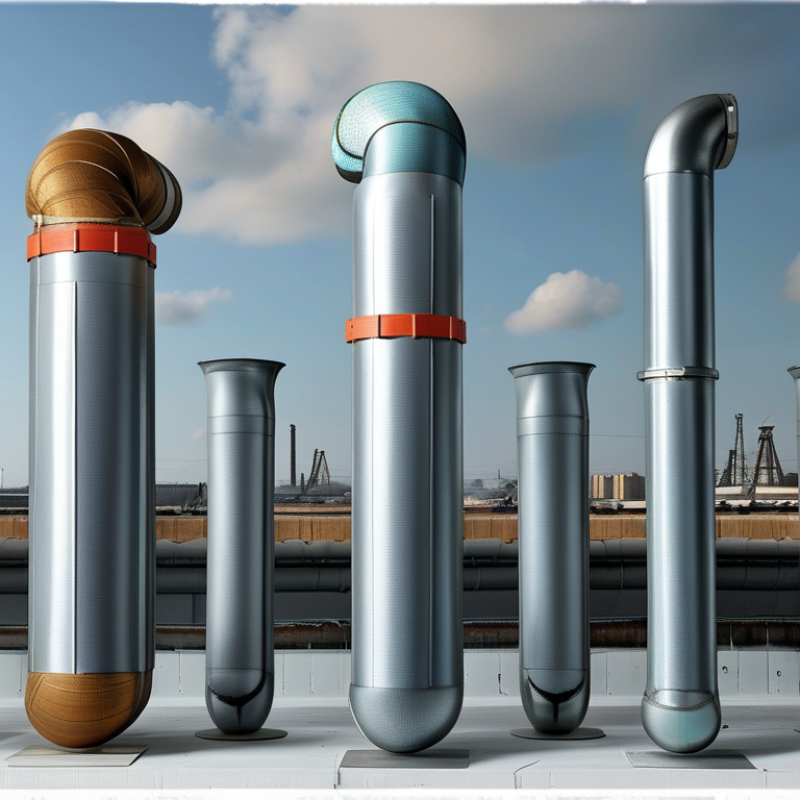
How to Choose the Right Thermal Pipe Cover for Your Needs?

Understanding Thermal Pipe Covers: A Comprehensive Overview

Thermal pipe covers play a crucial role in energy efficiency and safety. In industrial settings, they reduce heat loss significantly. According to a 2021 report by the International Energy Agency, improper insulation can lead to energy losses of up to 30%. This statistic highlights the importance of choosing the correct thermal pipe cover.

Understanding thermal pipe covers is essential for various applications. These covers come in materials like fiberglass, foam, and even rubber. Each material has unique properties influencing thermal resistance and durability. A well-insulated pipe promotes optimal system performance, reducing heating costs and preventing equipment damage. Studies indicate that high-quality insulation can yield a return on investment within a year due to energy savings.

When selecting thermal pipe covers, consider the environment. Factors such as temperature fluctuations and potential exposure to chemicals must be addressed. The wrong choice could lead to wear and reduced efficiency. Reflecting on material properties and installation techniques is vital. Ensuring the right fit and securing installation are necessary for maintaining insulation integrity.

How to Choose the Right Thermal Pipe Cover for Your Needs?

Type of Thermal Pipe Cover Material Temperature Range (°F) Insulation Thickness (inches) Application
Foam Pipe Cover Polyethylene -40 to 220 0.5 - 2 Residential and Commercial Use
Fiberglass Pipe Insulation Fiberglass -20 to 1000 1 - 3 Industrial Applications
Mineral Wool Pipe Wrap Mineral Wool -70 to 1200 1 - 4 High-Temperature Applications
Rubber Insulation Nitrile Rubber -40 to 220 0.5 - 3 HVAC Systems
Thermal Jacket PVC Coated Fabric -40 to 400 0.5 - 2 Outdoor Applications

Types of Thermal Pipe Covers Available on the Market

When selecting a thermal pipe cover, it's important to understand the different types available on the market. Insulating materials vary widely. Fiberglass is a popular choice, known for its excellent thermal resistance. Reports indicate that fiberglass Thermal Cover can reduce heat loss by up to 80%. This is vital in both industrial and residential settings.

Another option is rubber insulation. It provides flexibility and ease of installation. Research shows that rubber Thermal Covers can withstand temperatures ranging from-40°F to 220°F. This versatility makes them an excellent choice for diverse applications. Additionally, reflective foil insulation is another alternative. It reflects radiant heat effectively, making it suitable for hot water pipes.

When choosing a thermal cover, considering specific needs is crucial. For instance, evaluating the operating temperature and environmental conditions can greatly affect the performance of the insulation. A common mistake is neglecting these factors, leading to underperformance. Be aware that while price may be tempting, investing in high-quality thermal covers often yields better long-term benefits. Therefore, assessing your options is essential for optimal energy efficiency.

Factors to Consider When Choosing a Thermal Pipe Cover

Choosing the right thermal pipe coverinvolves several important factors. The Insulation Material is crucial. It affects both efficiency and durability. Popular options includefiberglass and foam. Each material offers different levels of thermal resistance. Consider the specific application and environment for optimal selection.

Another important aspect is the thickness of the cover. Thicker insulation generally provides better heat retention. However, this may not always be necessary. Evaluate the temperature range and pipe size to determine the best thickness for your needs. In some cases, a thinner cover may suffice.

Tips: Always assess your energy costs. A proper thermal cover can significantly reduce energy bills. Don’t overlook installation ease either. Complicated setups can deter proper use. Take the time to ensure your cover fits well to avoid future issues. Regular maintenance checks are also advisable. They help to identify wear and tear, ensuring the cover performs optimally.

Evaluating Material Options for Thermal Pipe Insulation

When selecting a thermal pipe cover, material choice is paramount. Different insulation materials provide various levels of thermal performance and durability. Common options include fiberglass, foam, and reflective materials. Fiberglass can withstand high temperatures and handle moisture well. However, it may require careful handling due to its irritant fibers. Foam insulation offers a lightweight alternative, providing good thermal resistance and easy installation.

Tips: Always check the thermal conductivity rating. Lower values mean better insulation. This rating indicates how well a material can resist heat flow. For outdoor applications, choose materials resistant to UV exposure. Reflective materials can enhance insulation by reflecting heat, making them suitable for extreme climates. Consider the installation environment too.

For longer-lasting solutions, a Thermal Waterproof Cover is crucial. It protects insulation materials from moisture damage. Moist environments can compromise effectiveness. Therefore, knowing how materials respond to water can aid in decision-making. Always examine the manufacturer guidelines, focusing on durability, temperature limits, and installation requirements. Evaluating these factors thoroughly can lead to a sound investment in your insulation.

Assessing Cost vs. Performance in Thermal Pipe Covers

When choosing a thermal pipe cover, it's vital to consider both cost and performance. The right choice can lead to significant energy savings. However, balancing these factors often requires careful analysis. High-performing materials may come with a higher price tag, while cheaper options could compromise durability or efficiency. Assess your specific needs and find that sweet spot.

Tips: Evaluate your insulation needs based on the application. A short-term project might justify lower-cost materials. For long-term use, invest in quality Thermal Insulation Covers. Remember, the cheapest option is not always the best choice. It’s essential to think about the long-term benefits of energy efficiency.

Conducting proper research is crucial. Compare different thermal pipe covers available in the market. Read reviews and technical specifications. Don’t hesitate to ask experts for advice. Ensure that you're making a well-informed decision. Keep in mind that inadequate insulation can lead to increased energy costs. Weigh these factors carefully before making a purchase.

Installation Tips for Effective Thermal Pipe Covering

When installing thermal pipe covers, preparation is key. Begin by measuring your pipes accurately. This ensures a snug fit, which helps to maximize energy efficiency. The covers should be cut to size using a sharp utility knife; ensure the edges are clean to avoid any gaps. It can be beneficial to have a second person assist during installation, especially for larger pipes, to maintain alignment.

Proper sealing is essential for effective thermal performance. Use an appropriate adhesive or tape to secure the edges of the cover. Pay attention to any joints or connections where heat loss could occur. Inspect the installation for any visible seams; even small gaps can reduce insulation efficiency. It’s often helpful to revisit this area periodically and ensure everything remains intact.

In some cases, trial and error is part of the process. If the thermal cover doesn't seem effective, assess the material choice. Not all materials perform equally in different environments. Temperature fluctuations can impact them. Document your installation steps, noting what worked well and what didn't. This reflective practice can lead to better results in future projects.

Maintenance and Care for Prolonging Thermal Pipe Cover Life

Proper maintenance of your thermal pipe cover can significantly extend its lifespan. Regular inspections are essential. Look for signs of wear, such as cracks or discoloration. These can indicate that the insulation is losing effectiveness. Replace damaged covers promptly to avoid energy losses.

Tips: Clean the surface regularly. This helps remove dirt and grime that can degrade the material. Use mild cleaning solutions to avoid damage. Additionally, examine seams and edges. Ensure they are intact and secure to maintain insulation efficiency.

Consider the environmental conditions. Extreme temperatures can affect the performance of a Hot Pipe Cover. If your pipes are exposed to harsh weather, additional protective layers might be necessary. Keep an eye out for pests that can cause damage, especially in warmer months. Regular maintenance checks can save time and costs in the long run.

Thermal Pipe Cover Performance Comparison

This chart compares the thermal insulation efficiency of different types of thermal pipe covers based on their thermal conductivity (W/m·K) and longevity (years). It helps in understanding which material might best suit your needs for maintenance and care.

FAQS

: What materials are commonly used for thermal pipe insulation?

: Common materials include fiberglass, foam, and reflective materials. Each offers different thermal performance levels.

Why is it important to check the thermal conductivity rating?

A lower thermal conductivity rating means better insulation. It shows how well a material resists heat flow.

How should pipes be measured for insulation installation?

Measure pipes accurately for a snug fit. This maximizes energy efficiency and minimizes gaps.

What should I do if my thermal cover isn’t performing well?

Assess the material choice. Not all perform equally in every environment. Document the steps to improve future outcomes.

How can I maintain my thermal pipe cover?

Regular inspections are key. Look for wear signs like cracks and discoloration.

What cleaning methods are safe for thermal pipe covers?

Clean surfaces regularly with mild solutions. Avoid harsh chemicals that can degrade materials.

How do environmental conditions affect thermal cover performance?

Extreme temperatures can impact insulation effectiveness. Additional protective layers may be required.

Why is proper sealing important during installation?

Securing edges prevents heat loss. Inspect seams to ensure there are no visible gaps.

What impact does moisture have on insulation effectiveness?

Moist environments can compromise insulation. Use protective covers to safeguard against moisture damage.

Conclusion

When selecting a Thermal Pipe Cover, it's essential to understand the various types available on the market and the specific needs of your project. This comprehensive guide outlines critical factors such as material options for thermal insulation, which can significantly impact both performance and cost. Evaluating these aspects helps ensure that you choose a cover that not only meets your insulation requirements but also fits your budget.

Additionally, proper installation is crucial for achieving optimal thermal efficiency, and ongoing maintenance can extend the life of your Thermal Pipe Cover. By adhering to the installation tips and care recommendations provided, you can enhance the durability and effectiveness of your thermal insulation solution.

Seraphina

Seraphina

Seraphina is a dedicated marketing professional at Jiangxi Jiecheng New Materials Co., Ltd., where she specializes in high-temperature insulation products. With a deep understanding of the company's core offerings, including detachable thermal insulation sleeves, high-temperature insulation boards,......
Previous 2026 Top Trends in Wholesale China Insulation Isolant Industry?