Welcome to JIECHENG

Leave Your Message
0%

Buying Silica Insulation from overseas isn't just about comparing prices — there's way more to it. You might see two catalogs showing what looks like the same blanket, but trust me, their density, fiber structure, and heat performance can be totally different. Picking the wrong grade could mean heat loss, delays in your project, or even needing to replace it sooner than you'd like. Small mistakes here can really add up in cost.

For those of us doing this regularly, it’s kinda tricky to figure out the best way forward. That’s why I put together this guide with ten handy tips for buying silica insulation — whether it’s for industrial furnaces, pipelines, kilns, or high-temp equipment. It covers all the basics: choosing the right material, figuring out the temperature ratings, thickness, size, testing methods, packaging, and how to verify your suppliers. Don't forget to ask for detailed tech data sheets and safety docs before you commit. And make sure the test methods match your project’s needs and local rules — having a certificate alone isn’t enough. Keep an eye on the scope, who did the testing, and when it was done — these details matter! Sampling inspections are super helpful too.

Also, don’t overlook assessing your supplier properly. Ask for traceable batch info, photos of the production process, and references from similar projects if possible. Make sure they can handle your order size before diving into big talks. Get clear about lead times, minimum order quantities, how they pack for export, and if they provide moisture protection. Carefully review customs paperwork and delivery responsibilities. These details might seem minor compared to the unit price, but they can really impact your overall costs.

Of course, no checklist can cover everything. A deal that’s too cheap might seem like a good bargain, but often it hides weak quality control or poor tech support. And sometimes, buyers get carried away and ask for performance that’s way above what’s realistic — ending up overspending, which is pretty common. Use these tips as a way to challenge assumptions, compare facts, and pick a supplier you can trust — someone who’s transparent, well-documented, and technically solid. Good sourcing isn’t about perfection, but it should be honest and well-grounded in facts.
10 Silica Insulation Buying Tips for Global Buyers

Understanding Silica Insulation and Its Main Applications

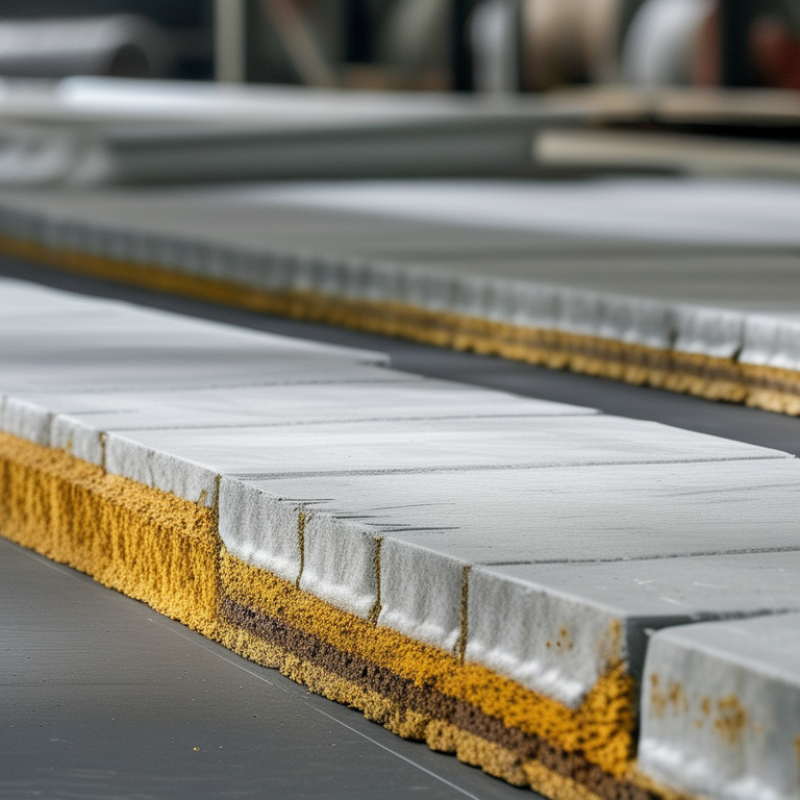
Silica insulation is a high-temperature material made from silica-rich fibers. It protects equipment where ordinary mineral insulation may soften or fail. Silica Fiber Insulation is commonly supplied as blankets, boards, paper, ropes, and molded parts.

Each form handles heat differently. A flexible blanket suits curved furnace walls, while a rigid board fits doors and flat panels. It is not magic. Correct installation still matters.

Its main applications include industrial furnaces, ceramic kilns, heat-treatment lines, glass equipment, and Thermal Shields.

Engineers also use it around pipes, exhaust systems, and high-temperature machinery. In a kiln, a dense board can reduce heat loss near the opening. In a furnace, a lightweight blanket may cover uneven surfaces with fewer joints. During field inspections, compressed insulation often performs worse than its datasheet suggests. This small detail deserves attention.

Global buyers should check maximum service temperature, fiber diameter, density, thickness, and shrinkage after heating.

Ask for test methods, not only attractive performance numbers. Moisture resistance, dust control, and packaging also affect real-world use. A damp shipment can create installation delays. Local regulations may require specific declarations or worker-protection measures. I would also request a sample before placing a large order. Handling it reveals flexibility, surface shedding, and cutting behavior. These practical checks are easy to overlook, and that is where purchasing mistakes begin.

Defining Your Thermal, Acoustic, and Safety Requirements

Silica insulation buying should begin with a performance brief, not a product catalogue. Define the operating temperature, heat-flow target, available thickness, and moisture exposure. The International Energy Agency reports that buildings consume about 30% of global final energy. Small thermal losses can become expensive across warehouses, vessels, and industrial plants. Ask for tested thermal conductivity at your actual mean temperature. Room-temperature figures may mislead. I have seen early specifications fail because engineers compared different test conditions.

Tip: Write three numbers before requesting quotations: maximum heat transfer, permitted thickness, and service temperature. Add a tolerance range. Perfect assumptions rarely survive installation.

Acoustic needs require equal precision. State whether you need airborne-noise reduction, equipment vibration control, or reverberation improvement. ISO 10140 provides laboratory methods for measuring sound insulation, but laboratory results do not guarantee field performance. Joints, metal penetrations, and compressed sections can create weak paths. Use measured ratings from comparable assemblies, not a loose material claim. The World Health Organization links excessive environmental noise with sleep disturbance and other health effects. Quietness is not merely a comfort feature.

Tip: Request acoustic test reports, installation drawings, and edge-detail photographs. Then check whether the test assembly resembles your project.

Safety requirements should cover fire behavior, dust control, handling, and end-of-life disposal. Confirm the safety data sheet and applicable fire classification, such as EN 13501-1 or an equivalent local standard. Do not confuse amorphous silica products with respirable crystalline silica hazards. That distinction needs verification. Require batch traceability and independent testing. I would also allow a small site trial; it may reveal brittleness, awkward cutting, or unexpected moisture absorption before a full purchase.

Comparing Silica Insulation Types, Grades, and Performance

Global buyers comparing silica Insulation Should start with structure, not marketing language.Silica Aerogel Insulation is usually supplied as flexible blankets, rigid boards, or specialized panels. Blankets suit pipes, valves, and curved equipment. Boards provide cleaner coverage on tanks and flat walls. Each type has different handling, compression, and installation needs.

Grade selection requires more than reading the lowest thermal conductivity figure. Check conductivity at the actual mean temperature, not only at room temperature. Review service temperature, density, hydrophobicity, compressive strength, and thickness tolerance. Test methods may differ between countries. A direct comparison can therefore be misleading. Small details matter.

In factory retrofits, flexible blankets often reduce cutting waste around complex fittings. Rigid boards can provide better dimensional stability on large surfaces. A “high-temperature grade” is still too vague for procurement. Ask for test reports, safety data, batch traceability, and clear installation instructions. Fire performance should match local building requirements. Moisture resistance also deserves attention during ocean shipping and outdoor storage. I have seen projects focus on material price, then lose savings through difficult installation. That mistake is easy to repeat. Requesting samples and checking them under real site conditions can reveal gaps in flexibility, dust control, and fit. Temperature, humidity, and workmanship will affect actual performance.

Checking Product Quality, Testing Standards, and Certifications

Global buyers should treat insulation certificates as evidence, not decoration. The 2023 Global Status Report for Buildings and Construction reports that buildings consume about 30% of global final energy. Better insulation can reduce heat loss, but only when its measured performance matches site conditions.

For a Silica Aerogel Insulation Blanket, request test reports for thermal conductivity, thickness, density, tensile strength, and water resistance. ASTM C177 or ISO 8301 can support guarded heat-flow testing. Ask whether results were recorded at the temperature your project will face. A value at 23°C may not represent a pipeline operating above 300°C. Check batch numbers, sample thickness, conditioning methods, and laboratory accreditation under ISO/IEC 17025.

Do not accept “non-combustible” without a recognized fire-test classification. Confirm the exact standard, exposure time, and certificate validity. Product quality also appears in small details: even edges, sealed packaging, readable labels, and consistent blanket thickness. Request independent retesting when results look unusually perfect. That sounds cautious. It is necessary. I have seen buyers compare thermal conductivity figures from different temperatures, then choose the wrong material. Certification may confirm compliance, but it cannot replace installation experience. Review chemical compatibility, compression recovery, moisture exposure, and handling damage before approval. Keep every report linked to the shipment, not merely the supplier’s quotation.

Evaluating Suppliers, Manufacturing Capacity, and Technical Support

10 Silica Insulation Buying Tips for Global Buyers

Evaluating Suppliers, Manufacturing Capacity, and Technical Support

Global buyers should treat supplier screening as engineering work, not a price comparison.

The International Energy Agency reports that buildings consume about 30% of global energy demand. Verified Insulation Performance therefore affects operating costs and carbon exposure. Request factory references, quality certificates, raw-material traceability, and recent test reports. Check thermal conductivity under your actual temperature range, not only at room temperature. Ask whether testing follows recognized methods, such as ISO 8301 or ASTM C177.

Manufacturing capacity needs evidence.

Ask for monthly output, production-line count, curing time, packaging limits, and realistic lead times. Review batch records and sample labels during a factory audit. Confirm dimensional tolerances, density control, compression recovery, hydrophobic treatment, and dust-management procedures. A supplier should explain how it handles urgent orders without weakening inspection standards.

Capacity claims can sound impressive. They still require proof. I would also compare two production batches, because one sample may hide process variation.

Technical support often separates a workable purchase from an expensive mistake.

Require installation drawings, temperature calculations, cutting guidance, and storage instructions. Ask for an engineer who can review unusual shapes or restricted spaces. Support should cover commissioning and failure analysis, not only sales calls. The IEA’s efficiency data supports careful specification, but field conditions remain messy. Even experienced buyers sometimes overlook moisture exposure, joining gaps, or transport damage. A written corrective-action process matters.

Calculating Total Costs, Shipping, Customs, and Delivery Risks

Global buyers should price silica insulation by landed cost, not factory price. High Silica Cloth may look inexpensive until freight, customs, insurance, and delivery delays are added. UNCTAD’s Review of Maritime Transport 2023 reports that over 80% of global merchandise trade moves by sea. A small port delay can therefore affect your project schedule.

Request a commercial invoice, packing list, weight, dimensions, and customs classification before ordering. Compare air, sea, and multimodal freight using the same shipment data. Ask whether the quoted price includes export handling, terminal charges, documentation, and last-mile delivery. Incoterms matter. They define who pays, who insures, and who carries risk. A low-cost offer may transfer unexpected charges to the buyer.

Check import duties and tax requirements with a licensed customs adviser. The World Bank’s 2023 Logistics Performance Index evaluates 139 economies across customs, infrastructure, tracking, and timeliness. Use its findings to question routes through weaker logistics markets. Allow buffer time for inspections and damaged packaging. Photograph cartons at loading and arrival. Insurance should reflect replacement cost, not only invoice value. My own cost models often miss storage fees. That weakness deserves review. Keep a contingency reserve of 10% to 15% for freight changes, customs questions, and re-delivery. A delayed truck can cost more than the insulation.

10 Silica Insulation Buying Tips for Global Buyers: Total Landed Cost Structure

This planning model shows the typical cost categories buyers should include when comparing silica Insulation Quotations. Product price is only one part of the landed cost; packaging, inland transport, ocean freight, customs brokerage, final delivery, insurance, and a risk allowance can materially change the final budget. Actual costs vary by shipment size, origin, destination, Incoterm, season, tariff classification, and delivery route.

FAQS

: What is silica insulation?

: It is a high-temperature material made from silica-rich fibers. It protects equipment when ordinary insulation may soften or fail. It is not magic. Proper installation still matters.

What forms does silica insulation come in?

Common forms include blankets, boards, paper, ropes, and molded parts. A flexible blanket suits curved furnace walls. A rigid board fits doors and flat panels.

Where is silica insulation commonly used?

It is used in furnaces, ceramic kilns, heat-treatment lines, and glass equipment. It also protects pipes, exhaust systems, and hot machinery. Thermal shields are another practical use.

How should buyers choose the correct product?

Check service temperature, fiber diameter, density, thickness, and heating shrinkage. Consider moisture resistance, dust control, and packaging quality. A sample can reveal flexibility and cutting behavior.

Why can installation reduce insulation performance?

Compression can make a blanket perform below its stated rating. Open joints may create visible heat leaks around furnace doors. Small gaps matter. Installation details deserve careful review.

What should buyers request from a supplier?

Request recent test reports, quality certificates, raw-material records, and factory references. Ask for monthly output, lead times, batch records, and dimensional tolerances. Capacity claims still need proof.

What technical support is useful after purchase?

Useful support includes installation drawings, temperature calculations, cutting guidance, and storage instructions. An engineer should review unusual shapes and restricted spaces. Support should include failure analysis, not only sales communication.

How can buyers calculate the real purchase cost?

Calculate landed cost, including freight, customs, insurance, storage, taxes, and final delivery. Compare air, sea, and combined transport using identical shipment information. A cheap quote may hide extra charges.

How can buyers reduce shipping and delivery risks?

Request invoices, packing lists, dimensions, weights, and customs classifications before ordering. Photograph cartons during loading and arrival. Allow time for inspections and damaged packaging. A reserve of 10% to 15% may help, though actual delays can exceed expectations.

Conclusion

This guide explains how global buyers can make informed decisions when sourcing Silica Insulation for industrial, commercial, and specialized building applications. It begins by outlining the material’s main uses and helping buyers define their thermal, acoustic, fire-safety, moisture-resistance, and durability requirements. It also compares available silica insulation types and grades, focusing on density, temperature tolerance, thermal conductivity, flexibility, and service life so that products can be matched to actual project conditions.

The guide further emphasizes the importance of reviewing product quality, test reports, safety documentation, and relevant certifications. Buyers are encouraged to assess suppliers based on manufacturing capacity, quality-control procedures, customization options, communication, and technical support. Finally, it explains how to calculate total purchasing costs, including product pricing, packaging, transportation, customs duties, insurance, delivery schedules, and potential supply-chain risks. A complete evaluation helps buyers balance performance, compliance, reliability, and long-term value rather than choosing solely by unit price.

Seraphina

Seraphina

Seraphina is a dedicated marketing professional at Jiangxi Jiecheng New Materials Co., Ltd., where she specializes in high-temperature insulation products. With a deep understanding of the company's core offerings, including detachable thermal insulation sleeves, high-temperature insulation boards,......
Previous China Top 10 Blanket Thermal Insulation Suppliers?