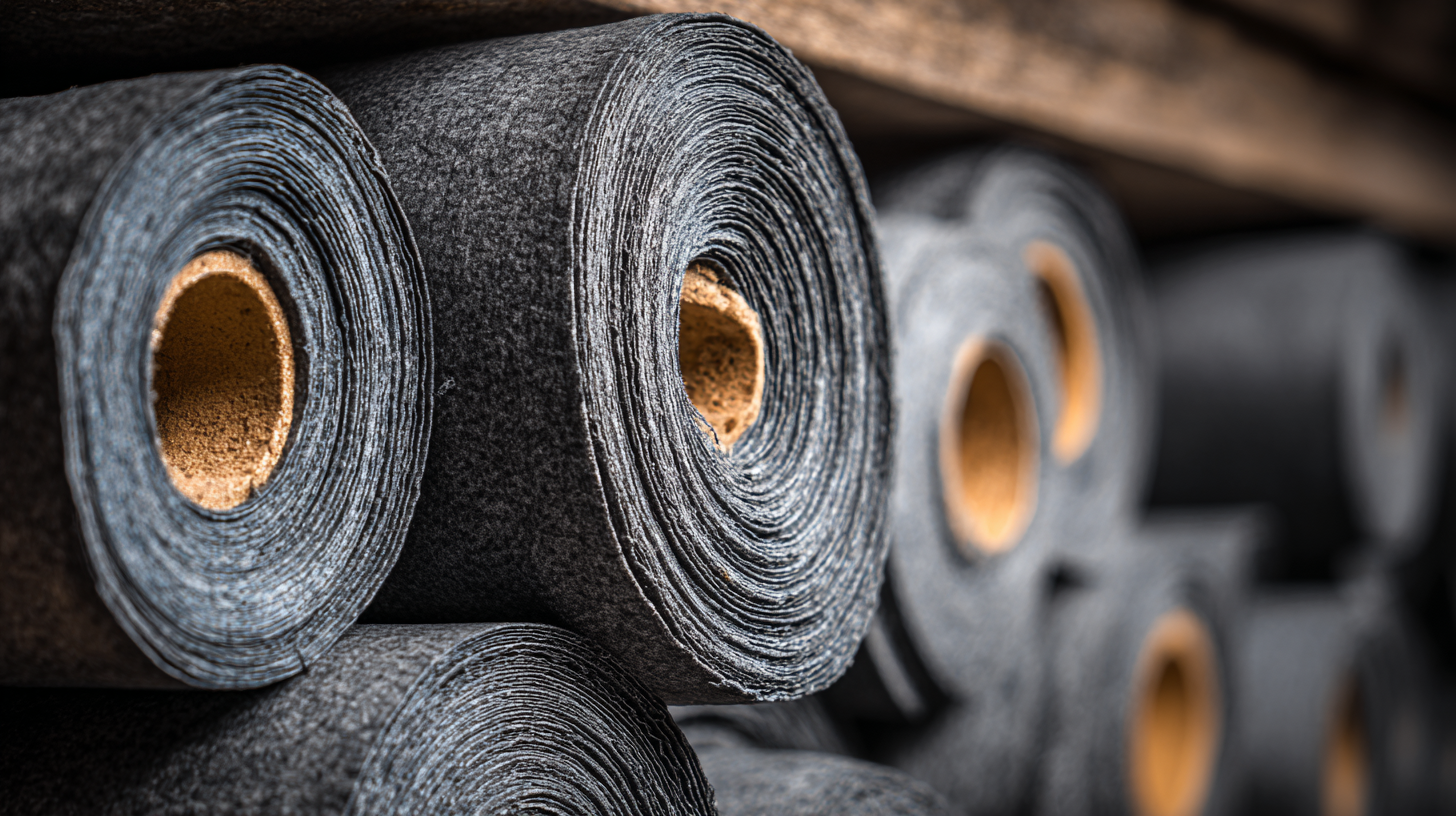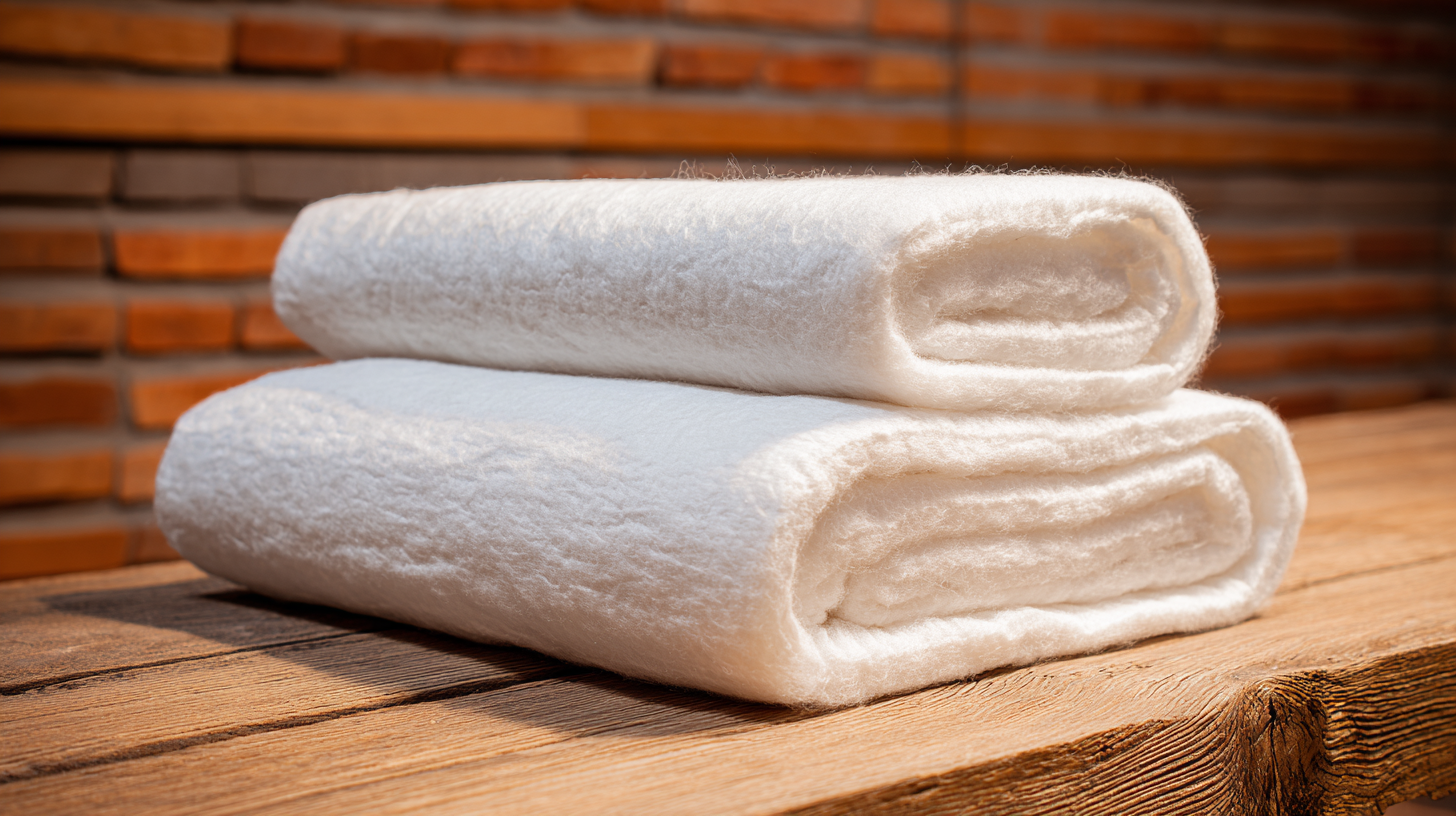
Welcome to JIECHENG

In today's fast-changing world of high-temperature applications, the demand for heat-resistant Insulation Blankets is rising as companies chase better energy efficiency and safety across industries. A recent market report puts the global insulation materials market on track to reach about $80 billion by 2025, with heat-resistant solutions playing a crucial role in that growth. Jiangxi Jiecheng New Materials Co., Ltd., a leader in producing, developing, and selling high-temperature insulation products, is known for innovative solutions, such as detachable thermal insulation sleeves and high-temperature insulation boards. Our commitment to quality and performance keeps us at the forefront of special thermal insulation projects, making us a solid partner for businesses aiming for top-notch performance in challenging thermal environments. With our cutting-edge heat-resistant insulation blankets, we are helping industries not only meet regulatory standards but also boost overall operational efficiency.
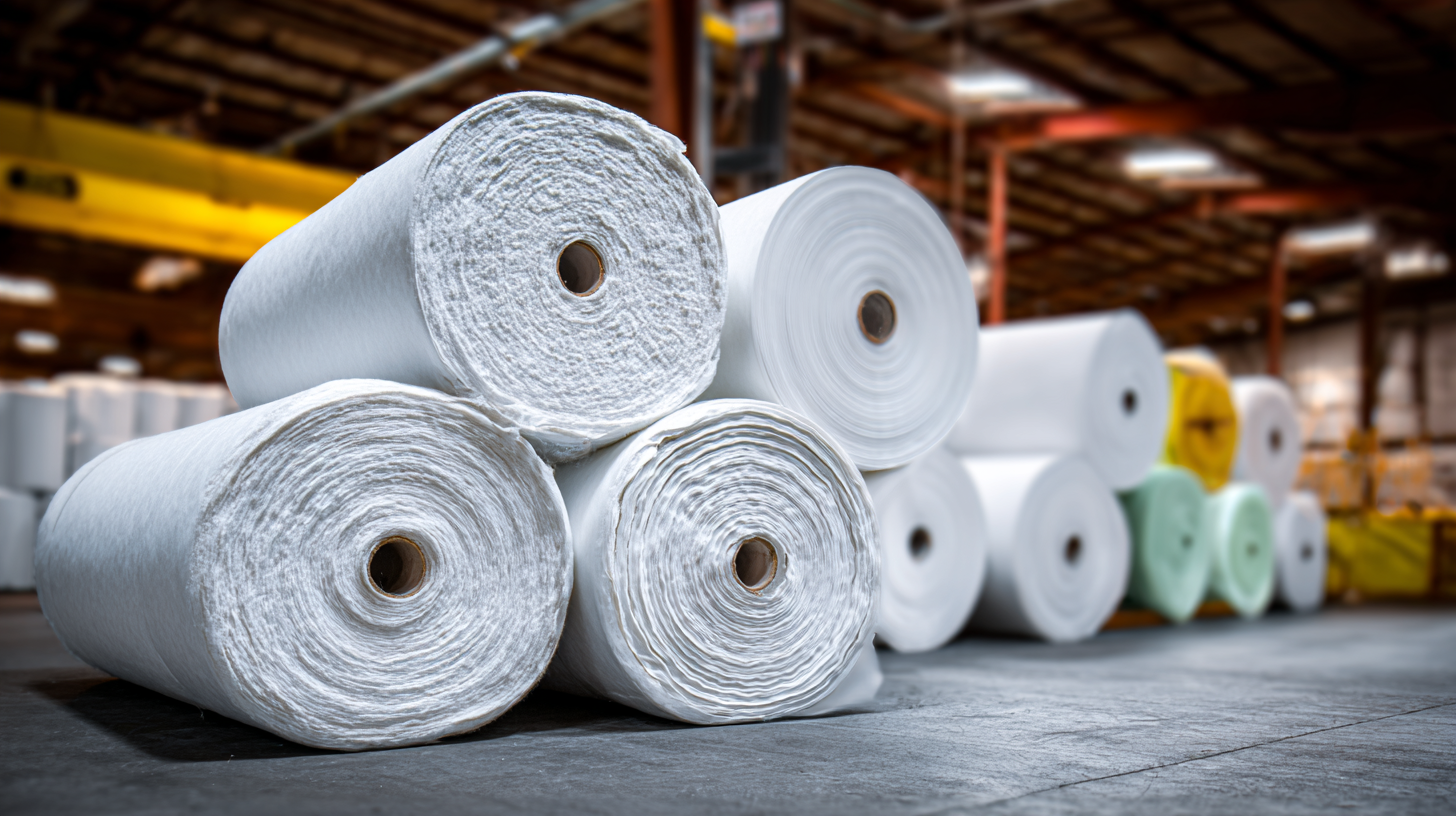
Heat-resistant insulation blankets are a hot topic right now, and the market is moving fast, driven by a growing focus on energy efficiency and safety across different industries. By 2025, experts expect the sector to expand significantly, thanks to advances in materials science and engineering. Companies are pushing the boundaries to create insulation solutions that not only withstand extreme temperatures but also offer better durability and performance. Jiangxi Jiecheng New Materials Co., Ltd. is at the forefront of this shift, specializing in high-temperature insulation products for a wide range of industrial applications. In short, the company is helping customers meet tough demands from harsh environments. As industries seek top performance from their insulation, detachable Thermal Insulation Sleeves and specialized insulation boards are gaining traction. These options boost thermal efficiency and make installation and maintenance easier. Jiangxi Jiecheng’s commitment to developing advanced insulation technologies positions the company to meet evolving market needs, delivering high-quality, reliable products that enhance operational performance while upholding strict safety standards. The future looks bright as firms work on effective and sustainable thermal insulation solutions.
High-performance, heat-resistant insulation blankets are a big deal across a lot of industries—think automotive, aerospace, and manufacturing. They're built to stand up to really extreme temperatures while keeping thermal losses in check, which helps overall performance. A MarketsandMarkets report notes that demand for advanced insulation materials is expected to grow at about 5.9% CAGR from 2021 to 2026, driven by the push for energy efficiency and safety in industrial settings.
One standout feature is how well they cut thermal conductivity. Fiberglass and ceramic fibers are common choices, handling temperatures up to 1,800°F (982°C) without losing structural integrity. Plus, they're pretty lightweight, which makes installation and handling easier and helps minimize downtime during maintenance. A reflective surface further boosts performance by bouncing heat away from sensitive components, which translates to lower energy use and reduced operating costs, according to the Insulation Manufacturers Association.
And because these blankets are built to last, they offer strong long-term value. With lifespans of 10 years or more under harsh conditions, they can outperform traditional insulation methods. Put together, the top-notch insulation and durability let industries push productivity while staying compliant with safety rules and environmental standards.
Choosing the right heat-resistant insulation blankets isn’t something you want to guess about. It helps to know what’s out there and what each type is really good for. In aerospace and automotive work, ceramic fiber blankets are a popular pick. They’re incredibly stable thermally and light, and they can handle temperatures up to 2300°F (1260°C). If you’ve been following market chatter lately, Grand View Research notes that demand for high-temperature insulation is growing—about 5.3% CAGR from 2021 through 2028—driven mainly by the need for solid thermal management in those big-ticket industries.
Fiberglass insulation is another strong option, and it’s hard to beat on price and flexibility. These blankets usually work from about 500°F (260°C) up to 1000°F (537°C), which makes them a solid fit for boilers, heat exchangers, and other everyday industrial setups. Research and Markets projects the fiberglass insulation market could hit around $69 billion by 2027, underscoring how widely it’s used for energy savings and safety.
Then there are silicone-coated ceramic blankets. They bring a double layer of protection—great heat resistance plus moisture-repellent properties—so they’re popular in food processing and other manufacturing environments. They can stand up to tough conditions while keeping insulation performance high, which helps explain their growing share of the market. All in all, understanding these options makes it easier to pick the right solution for your specific operations needs.
When you’re aiming for top-notch insulation with heat-resistant blankets, the installation and maintenance steps you take really matter. Good installation starts with a careful look at the area where they’ll be used. Make sure surfaces are clean and free of anything that could mess with adhesion or insulation integrity. Once that’s done, measure and cut the blanket so it fits snugly around equipment or pipes. Try to minimize overlaps, and make sure the seams are firmly fastened to prevent heat loss and to keep a tight, airtight seal.
Maintenance is just as important for keeping performance high. Do regular inspections to catch wear and tear—fraying, detachment, or anything that looks off. If you spot deterioration, tackle repairs or replacements promptly to maintain efficiency. Periodic cleaning of the blankets helps too, preventing dust and debris from building up and hindering effectiveness. By sticking to these installation and maintenance practices, you’ll extend the blankets’ life and keep them performing well in your industrial applications.
When you're chasing top-notch thermal management, picking the right heat-resistant insulation blankets matters more than you might think. As you compare different insulation options, it helps to weigh both cost and performance so you can make a solid, informed call. Traditional choices like fiberglass and mineral wool usually come with lower upfront prices, but they can lag on long-term efficiency. Over time, these materials may degrade, driving up energy use and potentially forcing replacements, which can inflate overall costs.
On the flip side, advanced materials like ceramic fiber and silicone-coated blankets may cost more upfront, but they often deliver superior thermal resistance and durability. They keep their insulating properties even under extreme conditions, translating into real savings on energy bills and less maintenance. So yes, the upfront price can be a hurdle for some buyers, yet investing in high-quality, efficient insulation solutions tends to pay off in the long run, especially in industrial settings where temperature control is critical.
These days, in our fast-moving industrial world, demand for heat-resistant insulation blankets is on the rise, driven by the need for safer, more efficient solutions across a wide range of applications. Smart tech is changing the game, helping blankets meet tough performance standards in aerospace, automotive, and manufacturing.
New materials—think advanced ceramics and hybrid polymers—are being developed to shrug off extreme temperatures while keeping their insulating edge. These breakthroughs don’t just boost thermal performance; they also extend the life of the insulation solutions.
And there’s more: smart features are finding their way into blankets, kicking off a new era of performance. Sensors tucked inside let you monitor temperatures and structural health in real time, enabling proactive maintenance and less downtime.
Lightweight designs are becoming standard too, making handling and installation easier without sacrificing insulation. As these innovations keep moving forward, the outlook for heat-resistant insulation blankets looks pretty bright, with solutions that line up with the growing needs of today’s industries.
: The growth is primarily driven by the increasing demand for energy efficiency and safety across various industries, as well as advancements in materials science and engineering.
Jiangxi Jiecheng New Materials Co., Ltd. is noted for being at the forefront, specializing in high-temperature insulation products for a range of industrial applications.
There is a growing trend towards detachable thermal insulation sleeves and specialized insulation boards that enhance thermal efficiency and simplify installation and maintenance.
Innovations in materials such as advanced ceramics and hybrid polymers are enhancing performance, allowing insulation products to endure extreme temperatures while preserving their properties.
The integration of sensors in heat-resistant insulation blankets allows for real-time monitoring of temperature and structural integrity, aiding in proactive maintenance and minimizing downtime.
Key sectors using these blankets include aerospace, automotive, and manufacturing, where rigorous performance standards are essential.
The company focuses on developing advanced insulation technologies that comply with strict safety standards while enhancing operational performance.
Lightweight designs facilitate easier handling and installation, without sacrificing thermal efficiency, making them more user-friendly for industrial applications.
The market is expected to see significant growth by 2025, with companies striving to implement effective and sustainable thermal insulation solutions.
The use of innovative materials and smart technologies enhances thermal performance and durability, ensuring longer-lasting insulation products.