When you're thinking about safety in industrial settings, picking the right Fireproof Pipe Insulation is a big deal. Honestly, over 70% of fires happen because of poor insulation—so it really pays to choose wisely. A study from the National Fire Protection Association (NFPA) even shows that good insulation can slow down heat transfer, helping stop fires from spreading like wildfire.
Lots of trusted manufacturers, like Owens Corning and Johns Manville, have come out with some pretty advanced Fireproof Insulation options. These aren’t just about keeping temperatures in check—they can also help you save energy. In fact, a recent report from the U.S. Department of Energy pointed out that installing high-quality insulation can cut energy bills by as much as 30%! Pretty impressive, right?
That said, not all fireproof insulation is created equal. Some products out there might have harmful materials that could actually jeopardize safety in the long run. It's super important to think about what you're really choosing—especially now when eco-friendliness and sustainability are more important than ever. Picking insulation with a low environmental footprint can really make a difference.
All in all, making the right choice doesn’t just protect your equipment and buildings—it genuinely boosts safety across the board. Trust me, investing a little time into picking the right fireproof insulation can save you big headaches down the road.
Understanding Fireproof Pipe Insulation: Importance and Applications
Fireproof Pipe Insulation plays a crucial role in modern safety protocols. Its primary function is to resist the spread of fire through piping systems. Reports indicate that fire-related incidents in buildings can lead to significant damage, with costs averaging over $3 billion annually in property losses. The National Fire Protection Association emphasizes that using fireproof materials can drastically reduce risks.
Applications for Fireproof Insulation are diverse. Industries such as oil and gas, manufacturing, and construction all utilize this material to enhance safety. Insulation products must meet specific fire safety standards, including ASTM E84. Some reports suggest that nearly 60% of industrial fires start in pipeline systems, highlighting the need for effective fireproof insulation.
Selection of the right fireproof insulation can be complex. Factors include temperature resistance, material composition, and installation criteria. Many offerings exist, yet not all options are equally effective. A study published in a construction safety journal noted that improper insulation can lead to higher risk levels. The journey toward fire safety is ongoing, requiring constant evaluation of materials and practices.
Types of Fireproof Pipe Insulation Materials: An Overview
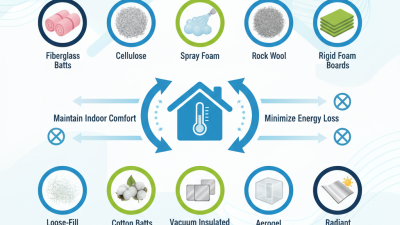
When it comes to fireproof pipe insulation, understanding the types of materials is crucial. Several options are commonly used in various applications. Mineral wool is prevalent due to its excellent thermal resistance and fireproof qualities. It can withstand temperatures up to 1,200°F. Studies show that mineral wool insulation effectively reduces heat loss through pipes in industrial settings by as much as 70%.
Another notable option is fiberGlass Insulation. This material offers good fire resistance and is lighter than mineral wool. Fiberglass can handle temperatures of around 1,000°F. Its R-value, which measures thermal resistance, typically ranges between 2.9 and 3.8, depending on thickness. Industry reports suggest that fiberglass insulation is frequently used in HVAC systems for its thermal efficiency.
Steel pipe insulation also deserves attention, especially in environments with high heat exposure. While it may not be traditional insulation, it acts as a protective barrier. A report from the National Fire Protection Association highlights that appropriate insulation can prevent pipe bursts during extreme temperatures. Each material has its benefits and drawbacks, necessitating careful consideration. Assessing specific needs is essential for selecting the best fireproof insulation solution.
Top 10 Fireproof Pipe Insulation Options for Your Needs
| Insulation Type | Material | Temperature Resistance (°F) | Fire Rating | Application |
| Mineral Wool | Rock or Slag Fiber | 1000 | A | High-Temperature Pipelines |
| Calcium Silicate | Calcium Silicate | 1200 | A | Industrial Processes |
| Fiberglass | Glass Fibers | 600 | B | Residential & Light Commercial |
| Elastomeric Foam | Synthetic Rubber | 200 | C | HVAC Systems |
| Guide Coating | Polymer Blend | 800 | B | Piping Insulation |
| Ceramic Fiber | Aluminosilicate | 2300 | A | High-Temperature Applications |
| Polyurethane Foam | Polyurethane | 250 | D | Low-Temperature Applications |
| Rigid PVC | PVC Resin | 140 | C | Passive Fire Protection |
| Melamine Foam | Melamine Resin | 350 | C | Sound Absorption in Fire Rated Areas |
Comparative Analysis of Top Fireproof Pipe Insulation Products
When evaluating fireproof pipe insulation options, it's crucial to consider performance and safety ratings. According to the National Fire Protection Association (NFPA), over 30% of fire-related property damage is attributed to inadequate insulation. This emphasizes the need for high-quality fireproof materials. For example, mineral wool has a melting point above 1,000 degrees Celsius, offering superior fire resistance. Experts suggest that insulation with higher thermal ratings can prevent heat transfer effectively, thereby reducing fire risks.
A comparative analysis of fireproof insulation shows a range of materials, including fiberglass, ceramic, and foam. Fiberglass is lightweight and easy to install but often has a lower fire rating compared to mineral wool. Reports indicate that ceramic blankets can withstand extreme temperatures but may require specialized installation techniques. While these products vary, testing shows that insulation with certifications from Underwriters Laboratories (UL) and FM Global provides greater reliability in fire safety. However, it's important to note that installing insulation improperly can compromise its effectiveness, leading to potential hazards. Each option has its pros and cons, highlighting the importance of thorough research before making a decision.
Top 10 Fireproof Pipe Insulation Options
Installation Guidelines for Fireproof Pipe Insulation
When installing fireproof pipe insulation, attention to detail is key. The right insulation enhances safety and efficiency in industrial environments. According to the National Fire Protection Association, fire-related incidents cost billions annually. Choosing suitable fireproof insulation can significantly reduce risks. The ideal materials often include mineral wool, fiberglass, and foam.
Tips: Ensure the surface is clean before applying insulation. Any dirt can compromise adhesion and effectiveness. Check thickness requirements based on the pipe's temperature. Insufficient insulation may not meet safety standards.
Proper installation involves securing the insulation tightly around the pipe. Gaps can allow heat escape, increasing vulnerability. Use high-temperature adhesives for a durable bond. Regular inspections are crucial. They help identify wear and tear that could weaken fireproof properties. Remember, proper Fireproof Wire Insulation practices are essential for compliance with safety regulations and standards.
Maintenance Tips for Fireproof Pipe Insulation
When it comes to maintaining fireproof pipe insulation, regular inspection is key. Look for signs of wear, such as tears or cracks. These can compromise the insulation’s effectiveness. Ensure the insulation fits snugly around the pipes. Loose insulation may cause heat loss and reduce its fireproof capabilities.
Cleaning is also essential. Dust and debris can accumulate, especially in industrial settings. Use a damp cloth to wipe down the surface carefully. Avoid harsh chemicals that could damage the material. Instead, opt for mild cleaning solutions, ensuring the integrity of the Fireproof Heat Insulation remains intact.
Finally, pay attention to the environment. Extreme temperatures and humidity can affect insulation performance. Monitor these conditions regularly. If you notice significant changes, consider replacing your insulation. These proactive measures ensure the longevity and effectiveness of your fireproof solutions.
Key Factors to Consider When Choosing Fireproof Pipe Insulation
When selecting fireproof pipe insulation, several key factors should be evaluated. The primary consideration is the insulation's fire resistance rating. Materials with higher ratings provide better protection against fire hazards. According to industry research, products with a rating of at least ASTM E84 Class 1 are preferred in commercial applications. This rating indicates low flame spread and smoke development, crucial for safety in industrial settings.
Thermal efficiency is another important factor. Insulation materials with high thermal resistance can help reduce energy costs. For instance, fiberglass insulation is known for its efficiency and is often recommended in pipes carrying hot liquids. Evaluating the specific needs of your project can make a significant difference in energy consumption. A detailed assessment of the environment is necessary because temperature fluctuations can impact the selection process.
Durability should not be overlooked. Some Fireproof Insulation Panels lose effectiveness over time due to moisture or physical damage. Choosing materials that withstand harsh conditions is essential for long-term effectiveness. Regular maintenance checks can also be beneficial. This ensures the insulation maintains its fire resistance and thermal performance over years of operation. Thoughtful evaluation of these factors can lead to better, safer choices in fireproof pipe insulation.
Cost Evaluation of Various Fireproof Pipe Insulation Options
When considering fireproof pipe insulation, cost is a crucial factor. Various materials have different pricing structures. For instance, mineral wool insulation typically costs around $1.50 to $3.00 per square foot. It's effective and has excellent fire resistance. In contrast, fiberglass insulation ranges from $0.80 to $2.00 per square foot.
While on a budget, be cautious. Lower-cost materials may not always meet fire safety codes. An industry report by the National Fire Protection Association highlights that using inadequate insulation can double the risk of fire hazards. Safety should never be compromised for savings.
Moreover, installation costs can vary significantly. Professional installation might add $0.50 to $1.00 per square foot to your total expense. Do-it-yourself options can save money, but expertise is critical. Improper installation may reduce effectiveness. Investing in quality materials is essential, even if initial costs are higher. Take time to evaluate options thoroughly before deciding.
Evaluating Fire Safety: The Role of Fireproof Removable Insulation in Reducing Risk and Enhancing Compliance According to Industry Standards
In the realm of fire safety, the implementation of fireproof removable insulation stands out as a crucial component in mitigating risks and ensuring compliance with industry standards. Designed to withstand extreme temperatures ranging from -70°C to 1000°C, this insulation material plays an essential role in protecting equipment and facilities from fire hazards. Its thermal conductivity is notably low at less than 0.035 W/(m·k) at normal temperatures, which not only enhances energy efficiency but also contributes to the overall safety of the environment.
The fireproof removable insulation boasts an impressive A grade non-flammable rating, ensuring that it meets stringent safety regulations. Its anti-corrosion properties, including resistance to acids, alkalis, water, and oil, further enhance its durability and functionality in various industrial applications. With a material density ranging from 100 to 200 kg/m³ and a thickness between 35 mm and 50 mm, this insulation is designed for longevity, with an impressive lifespan of over 10 years. By adopting such insulation solutions, industries can not only reduce their fire risks but also enhance their compliance with safety regulations, securing a safer working environment for all.
FAQS
: Fireproof pipe insulation resists the spread of fire through piping systems, enhancing safety in buildings.
Nearly 60% of industrial fires start in pipeline systems, making effective insulation crucial for fire safety.
Mineral wool insulation can withstand temperatures up to 1,200°F and reduces heat loss by about 70%.
Key factors include fire resistance ratings, thermal efficiency, and durability of the material over time.
ASTM E84 is a fire safety standard. Products rated Class 1 offer low flame spread and smoke development.
Fiberglass insulation is lighter and can handle temperatures around 1,000°F, making it suitable for HVAC systems.
Yes, moisture or damage can reduce effectiveness. Regular maintenance checks are necessary to ensure performance.
Steel pipe insulation serves as a protective barrier in high heat environments, preventing potential pipe bursts.
High thermal resistance insulation materials can significantly lower energy costs, especially in pipes carrying hot liquids.
Understanding temperature fluctuations and environmental factors can lead to better insulation material selection for safety.
Conclusion
Fireproof Pipe Insulation is essential for enhancing safety in various settings by protecting pipes from fire hazards while improving energy efficiency. This article explores the importance and applications of fireproof pipe insulation, providing a comprehensive overview of the different types of materials available. It includes a comparative analysis of top insulation products, enabling users to make informed choices based on performance, application, and cost-effectiveness.
Additionally, the article offers installation guidelines and maintenance tips to ensure longevity and effectiveness of fireproof pipe insulation. Key factors to consider when selecting insulation are also highlighted, including thermal resistance, ease of installation, and budget constraints. Overall, this summary underscores the significance of selecting the right fireproof pipe insulation to meet specific needs and ensure safety in diverse environments.