


News

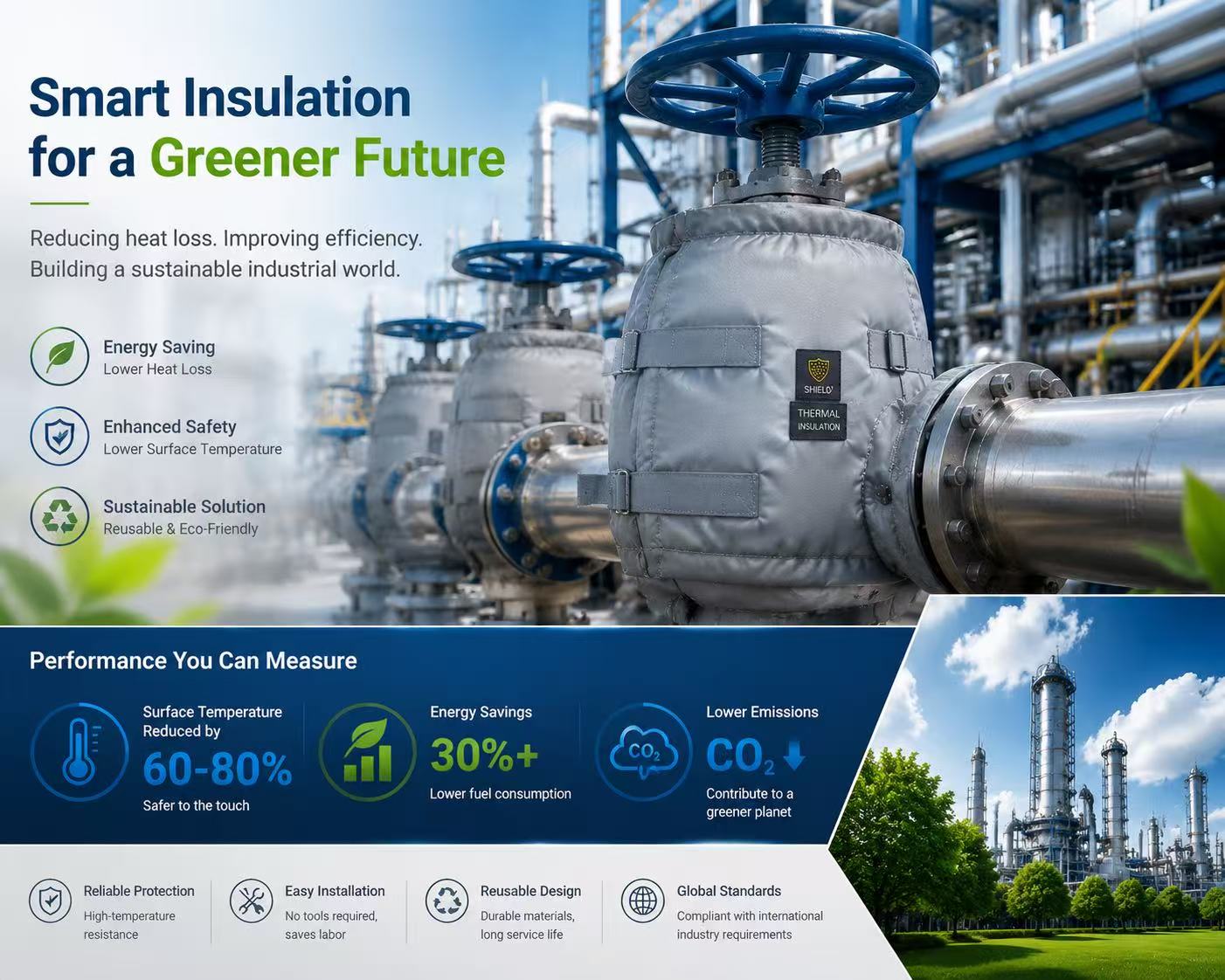
Core Advantages of Industrial Valve Insulation Sleeves
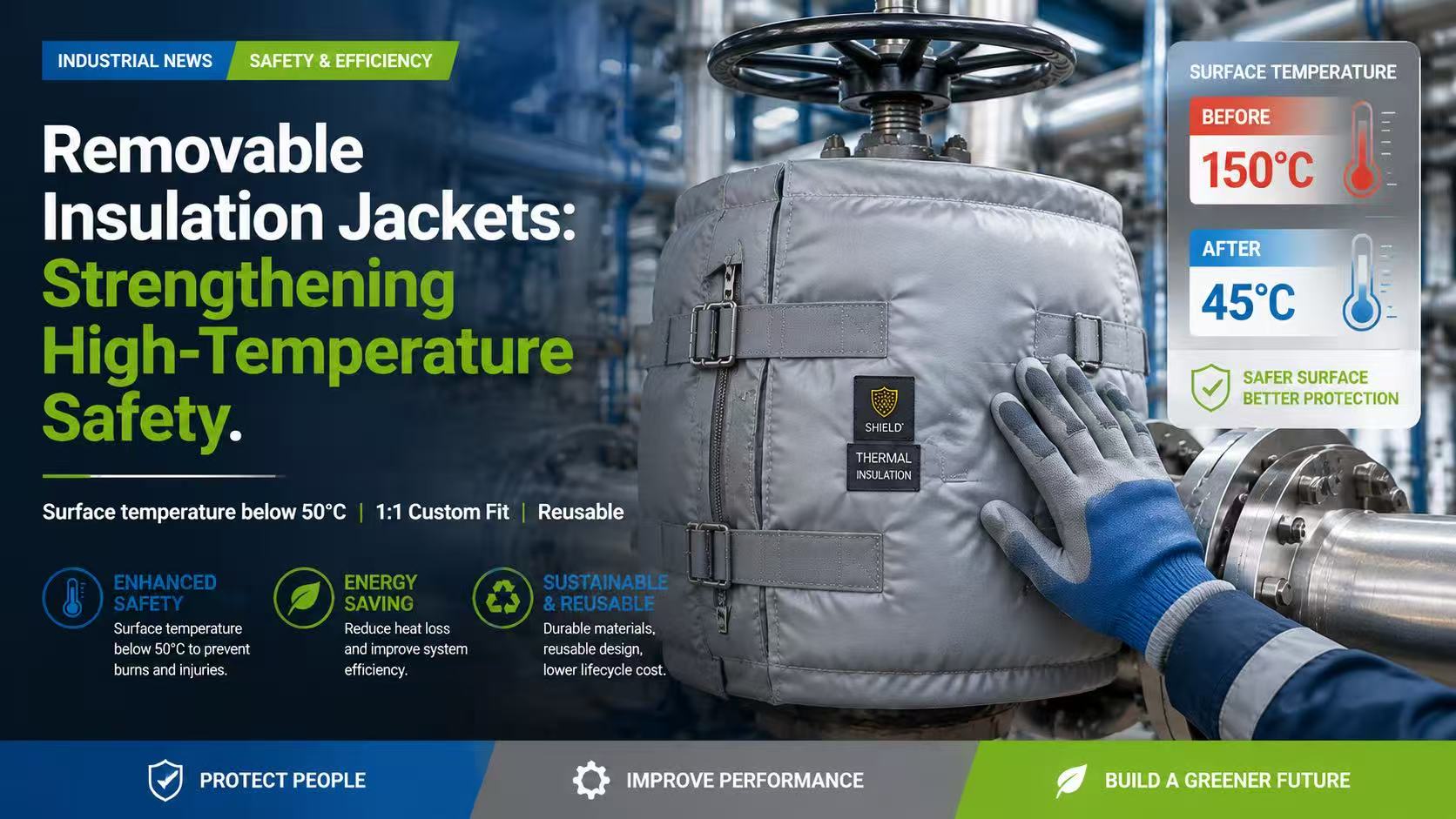
Must-See for Industrial Workers ✨ Valve Insulation Sleeves Are the Ultimate Cost-Saving & Energy-Efficient Tool
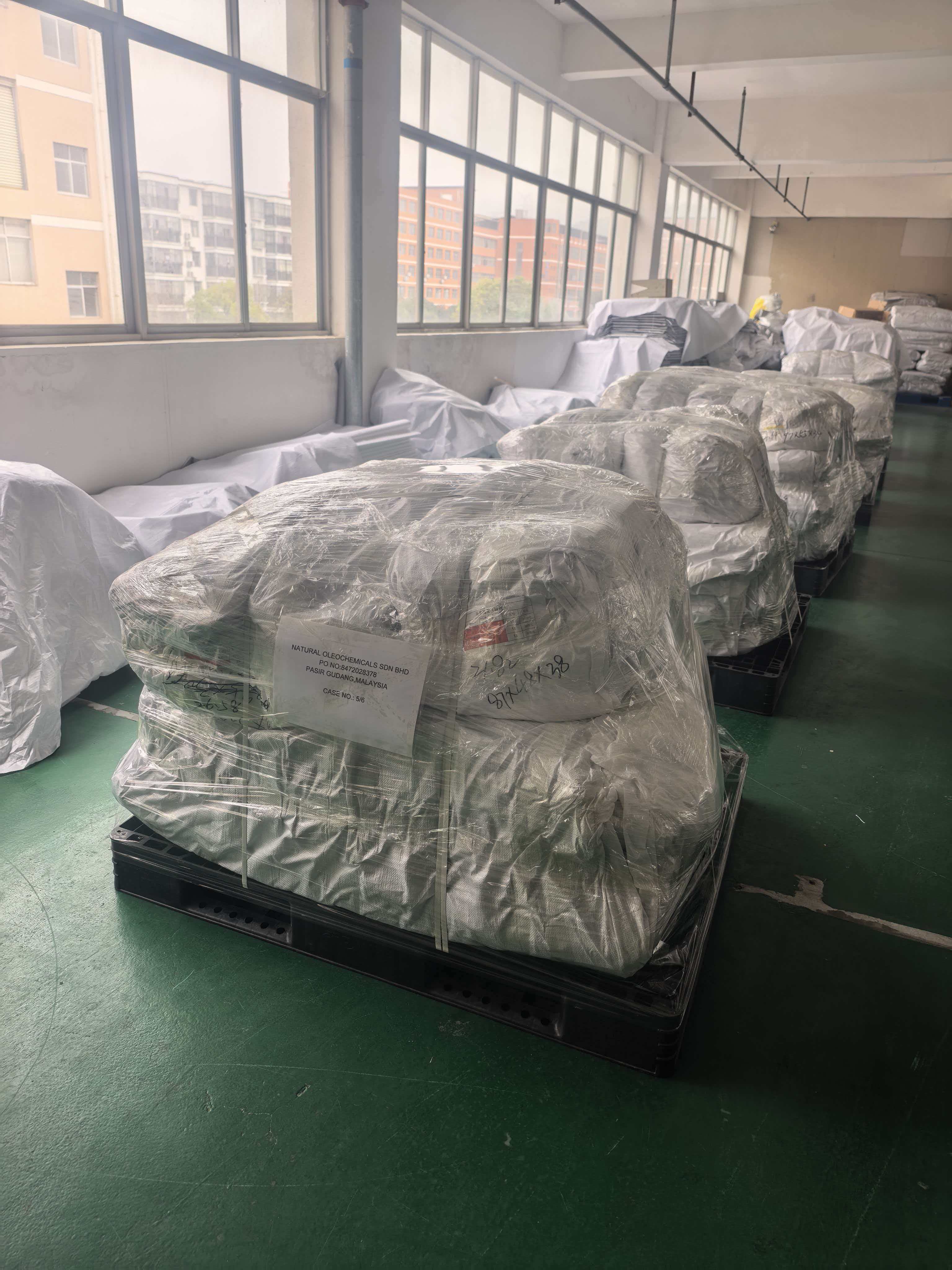
Ma Leaps into a New Journey, Goods Head to Nanyang — The First Shipment to Malaysia After the New Year Sets Sail

Happy Work Resumption | Set Sail on the Eighth Day of Lunar New Year ,Jiangxi Jiecheng is Ready to Serve You Wholeheartedly!
Sending Warmth as the Year Ends — To Every Trust Across Mountains and Seas
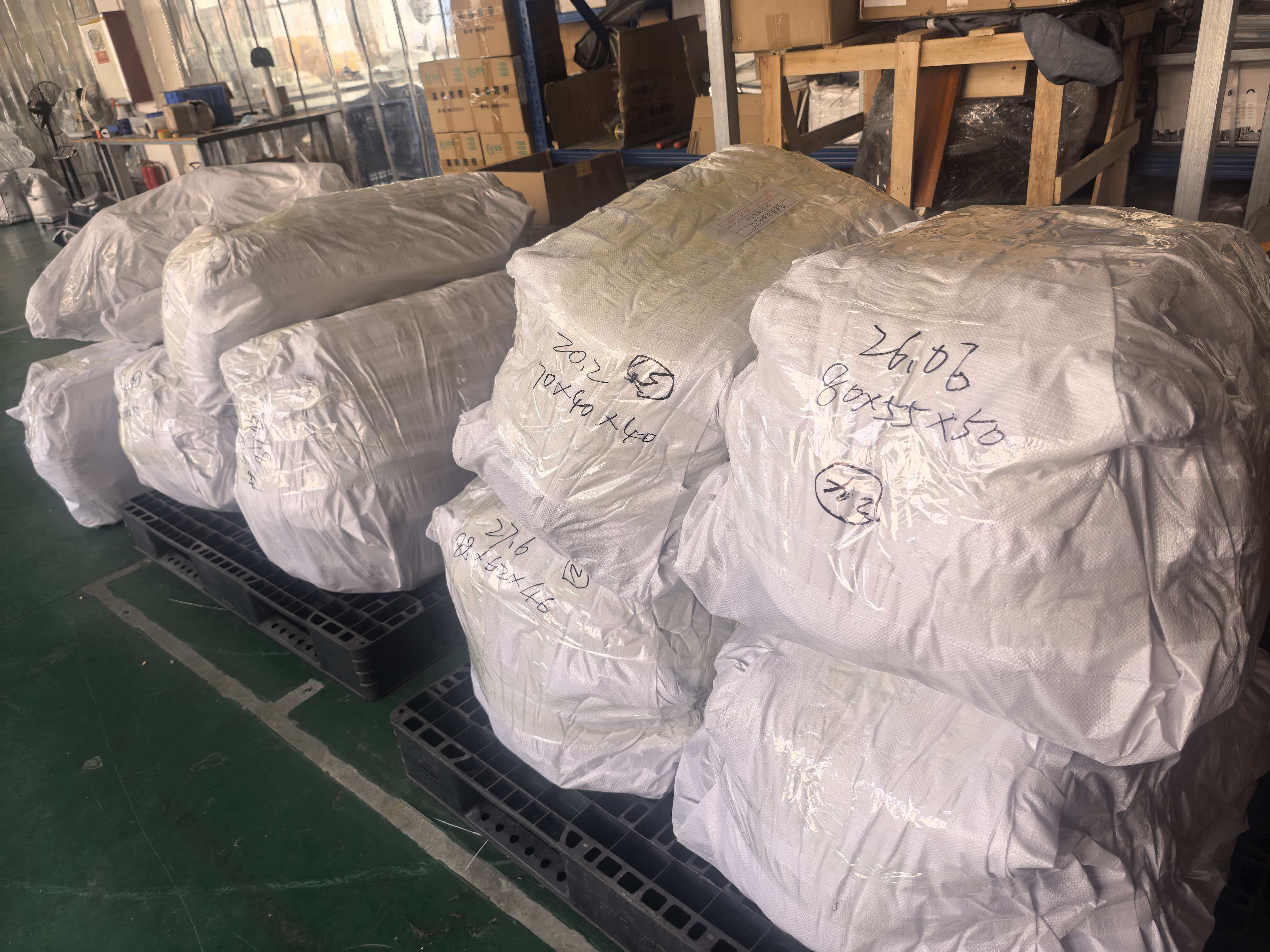
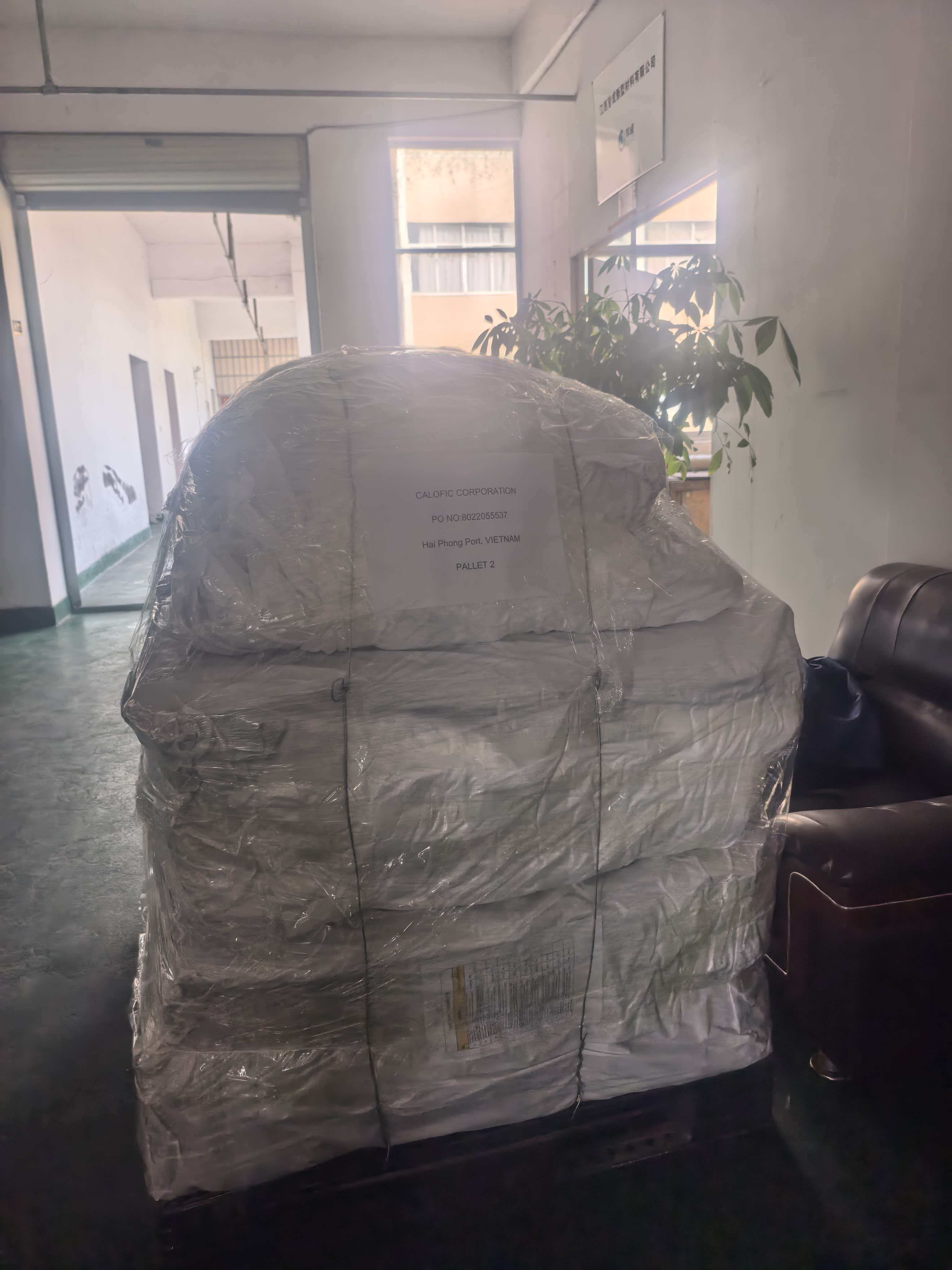
Quality as the Foundation, Integrity as the Bridge——Our Insulation Sleeves Are Exported to Vietnam
Quality as the Foundation, Integrity as the Bridge——Our Insulation Sleeves Are Exported to Vietnam

On a winter afternoon, the campus of Jiecheng Company is bathed in pale golden sunlight: outside the window
On a winter afternoon, the campus of Jiecheng Company is bathed in pale golden sunlight: outside the window, shrubs draped in bright yellow leaves sway gently, the glass of distant buildings reflects the pale blue sky, and the silence is broken only by the soft rustle of wind brushing through the branches.
Winter Warmth: Keep Yourself Warm, and Equipment Also Needs "Insulation"
2026: A New Year, A New Journey
2026 has arrived as promised, brimming with fresh hope and boundless possibilities, and a magnificent new journey has officially begun! Jiecheng Novel Materials Co., Ltd. hereby extends our sincere and warmest New Year greetings and best wishes to every partner who has walked alongside us, every customer who has trusted and supported us, and every colleague who has devoted themselves to the industry!
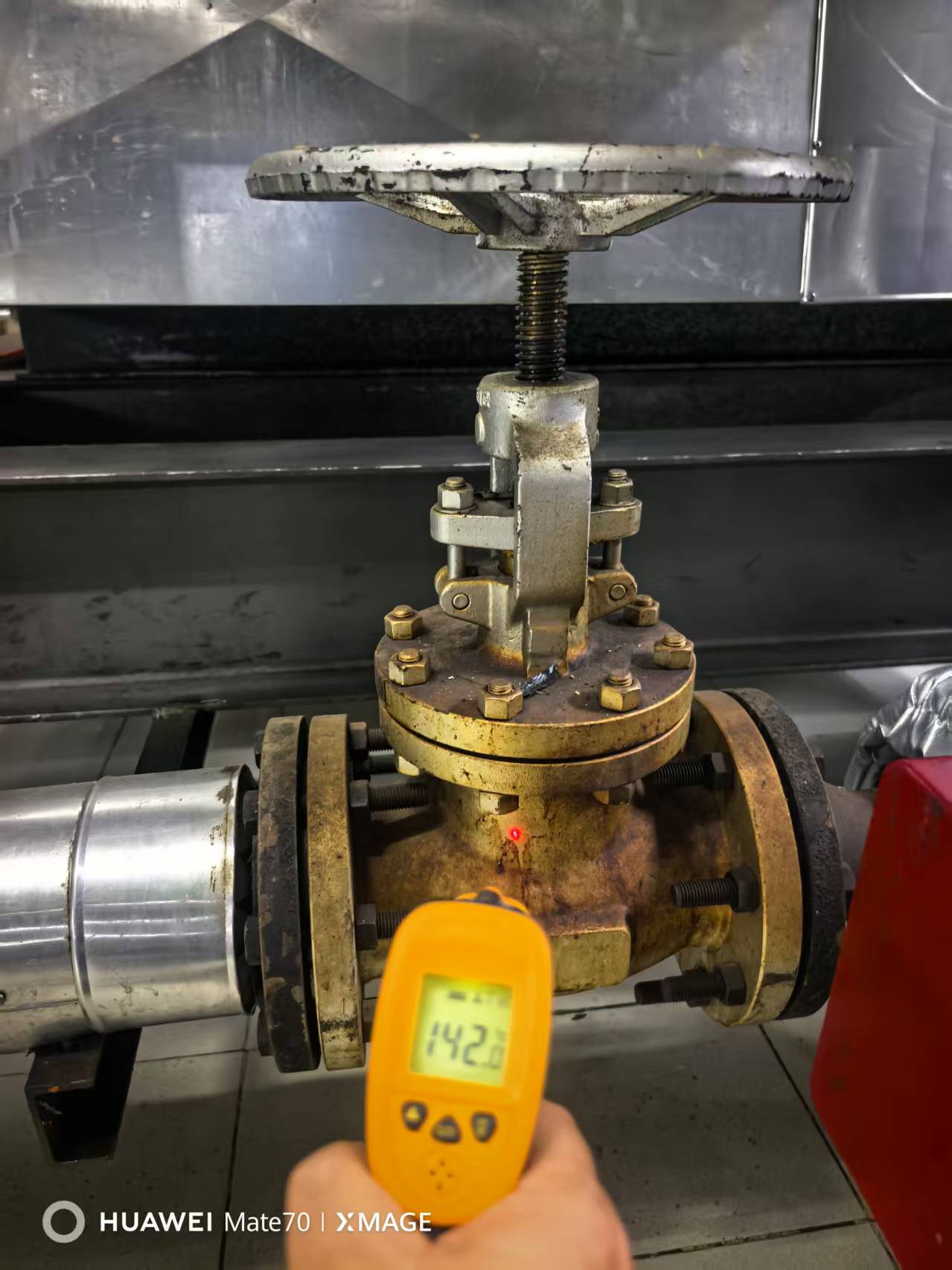
Current Situation Analysis and the Need for Improvement
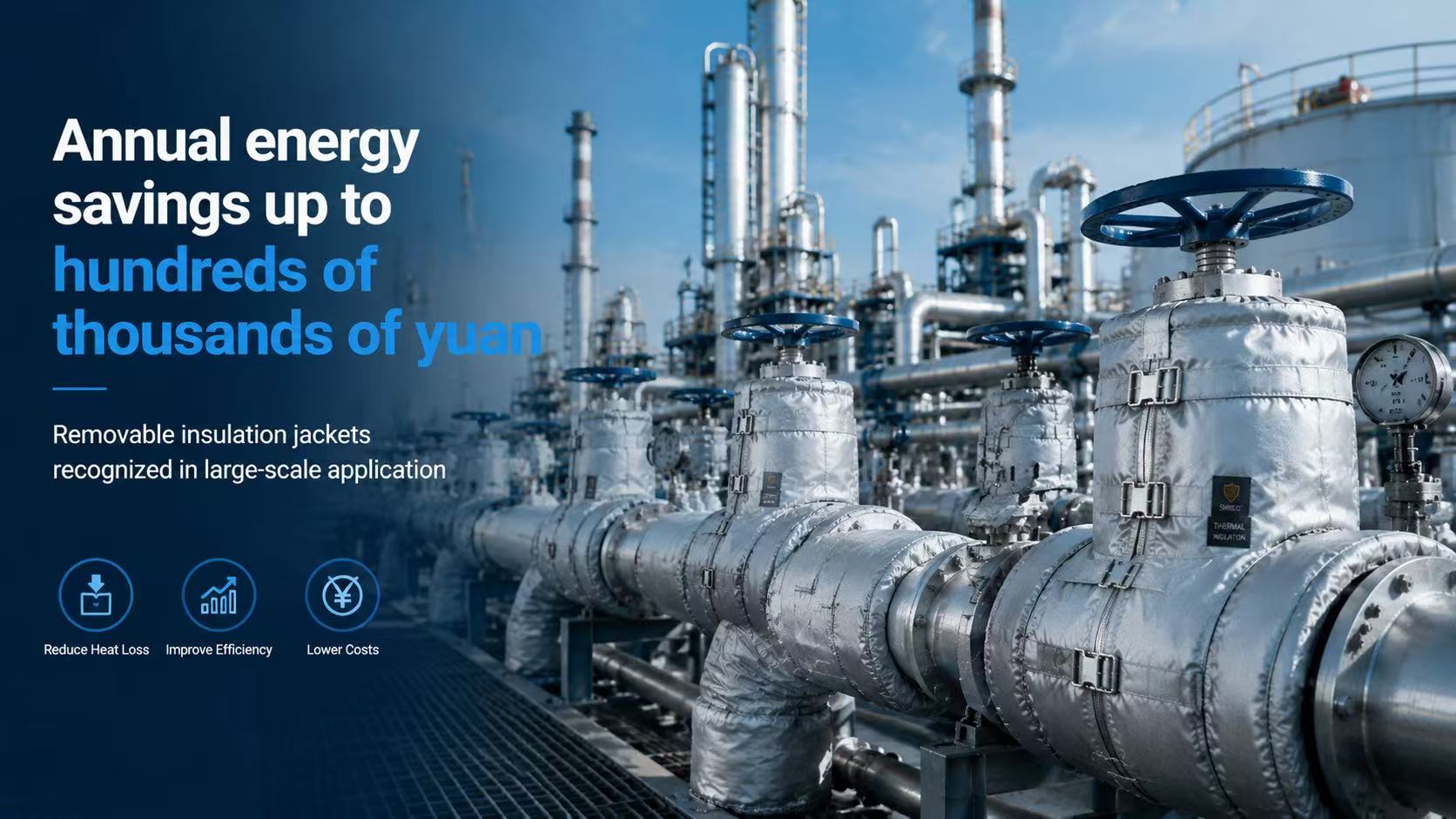
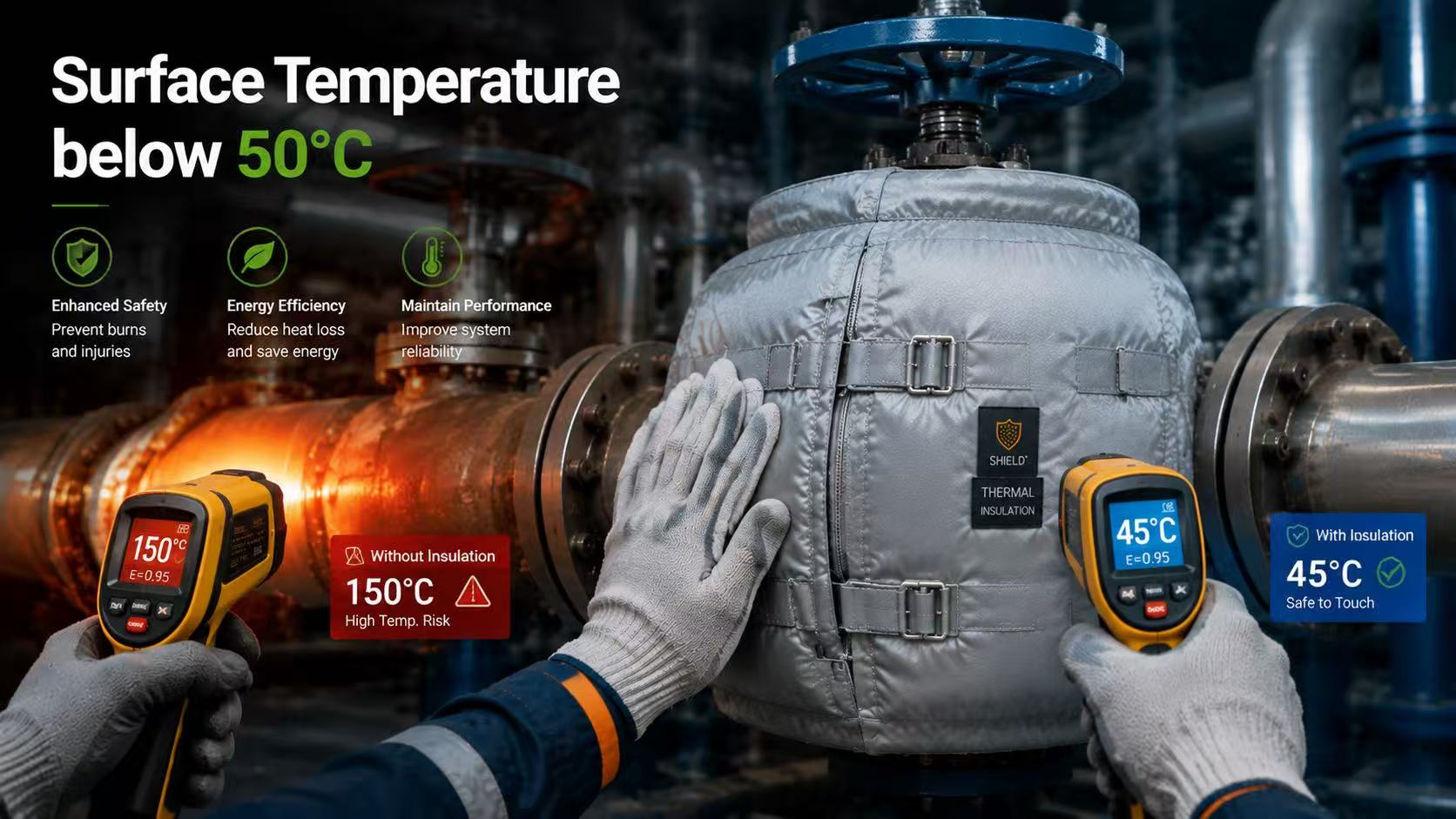
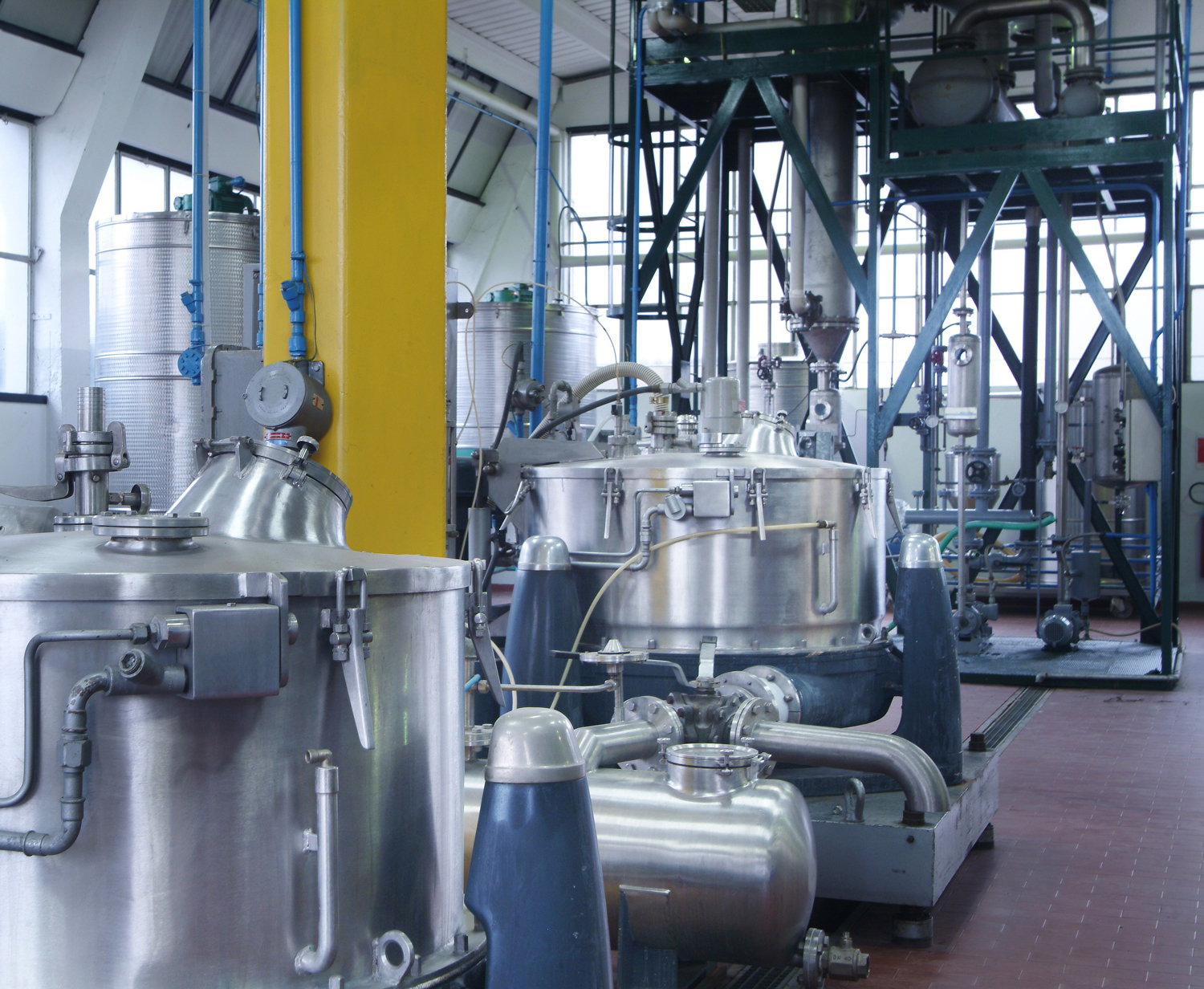
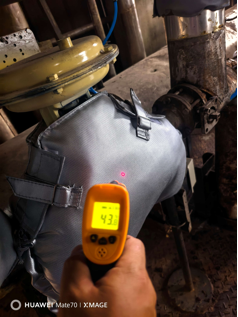
Currently, the attached images of the insulation sleeves are based on on-site feedback from visiting clients at this workshop. The exposed valves operate at an internal working temperature of up to 170℃, with the surrounding ambient temperature reaching approximately 70℃—an extremely high level. Notably, a surface temperature of 110℃ far exceeds the human body's tolerance limit, posing a significant scald risk to on-site operators. Meanwhile, the elevated ambient temperature around the equipment may compromise working comfort and reduce production efficiency. High temperatures directly translate to substantial heat energy dissipation, meaning the energy consumed during equipment operation is not effectively utilized in the production process but wasted as heat. Long-term operation will inevitably drive up energy costs. Furthermore, sustained high temperatures can accelerate the aging and wear of equipment components such as outer cladding materials and seals, increasing the likelihood of equipment failures and maintenance frequency, which indirectly raises production and operational costs.