


News
Energy Efficiency Evaluation of Thermal Insulation Renovation for R2-R3 Valve Equipment
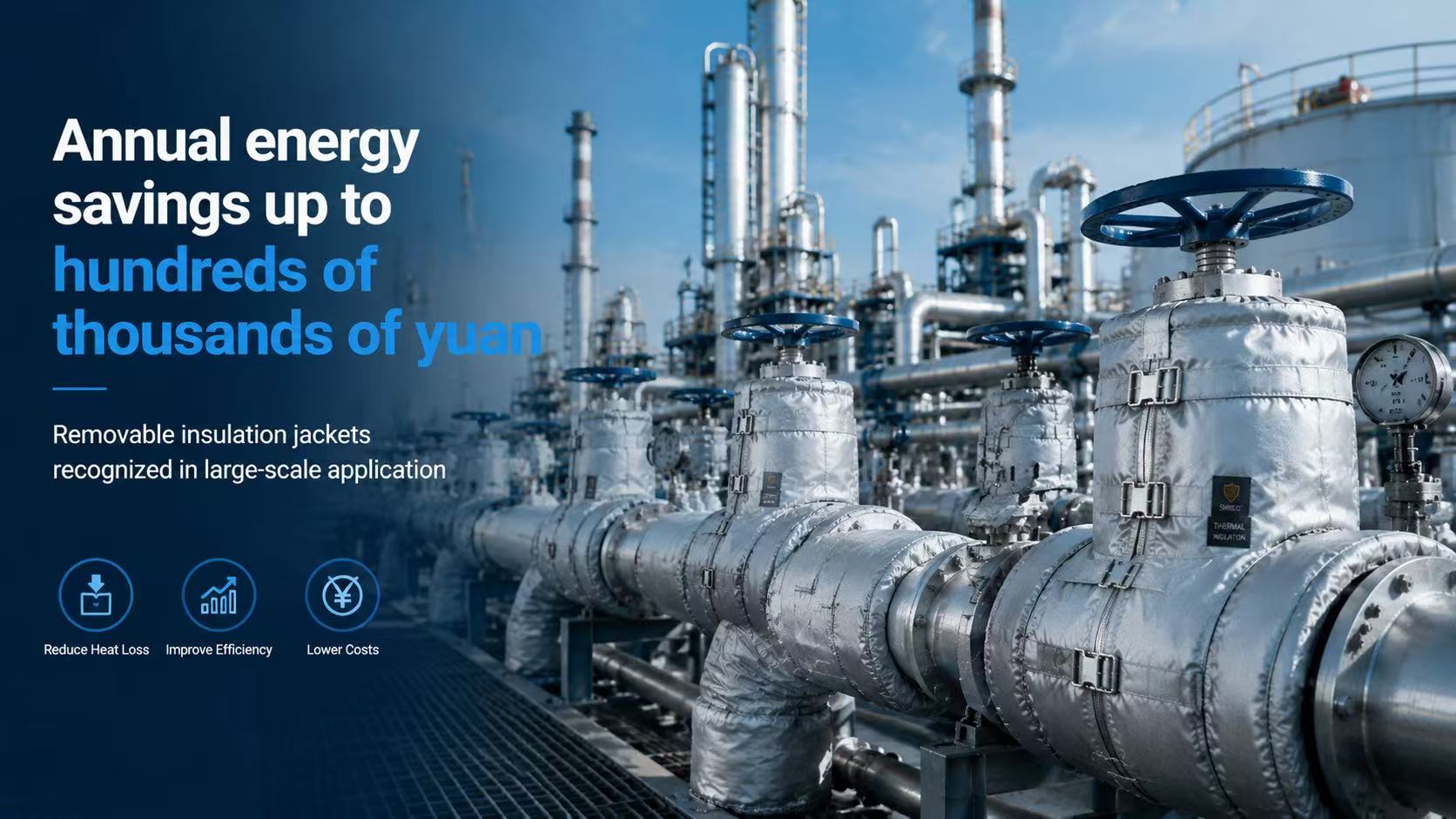
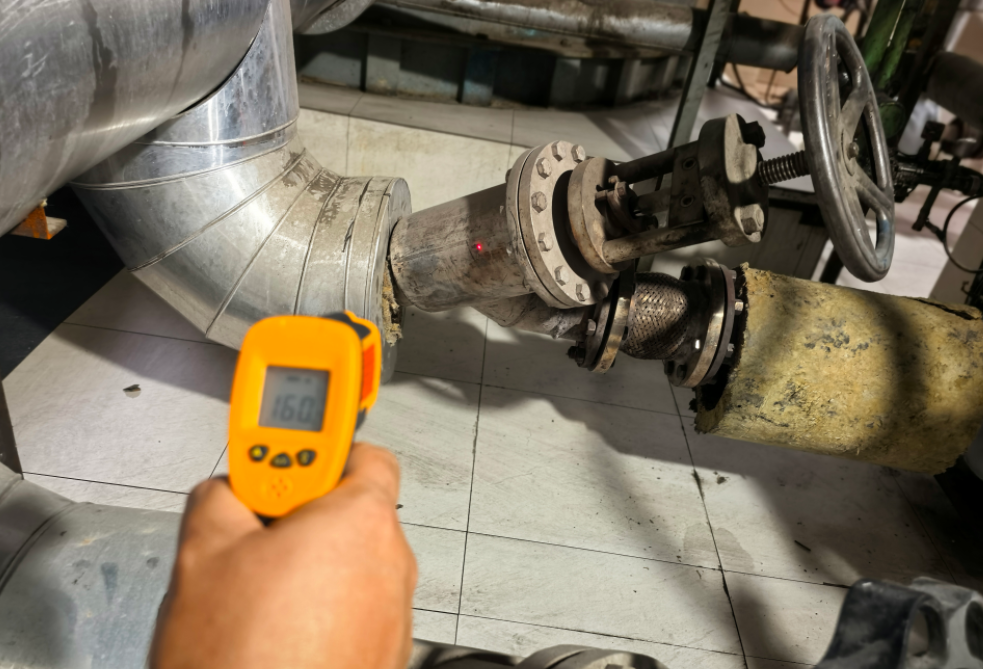
This evaluation conducts an analysis on the energy-saving benefits achieved after installing thermal insulation jackets on valves and equipment. Before the renovation, the high-temperature components of valves and equipment dissipated a large amount of thermal energy through radiation and convection, resulting in ineffective energy consumption. Meanwhile, it elevated the ambient temperature of the surrounding area, which compromised the comfort of operation and the stability of equipment operation. The installed insulation layer can mitigate the temperature fluctuations of equipment, reduce thermal stress damage, and lower the failure rate as well as maintenance costs. From the perspective of return on investment, the renovation input can be recovered within a short period through energy-saving gains. It delivers both economic and environmental benefits, providing strong support for the green and low-carbon development of enterprises. Field test results show that: the indoor ambient temperature is approximately 45–60℃, and the exposed surface temperature of operating valve equipment ranges from 110℃ to 190℃. The heat loss in all cases has seriously exceeded the maximum allowable heat dissipation value specified in the national standard GB/T 8174-2008.
Energy Efficiency Evaluation of Thermal Insulation Renovation for R2-R3 Valve Equipment
This evaluation conducts an analysis on the energy-saving benefits achieved after installing thermal insulation jackets on valves and equipment. Before the renovation, the high-temperature components of valves and equipment dissipated a large amount of thermal energy through radiation and convection, resulting in ineffective energy consumption. Meanwhile, it elevated the ambient temperature of the surrounding area, which compromised the comfort of operation and the stability of equipment operation. The installed insulation layer can mitigate the temperature fluctuations of equipment, reduce thermal stress damage, and lower the failure rate as well as maintenance costs. From the perspective of return on investment, the renovation input can be recovered within a short period through energy-saving gains. It delivers both economic and environmental benefits, providing strong support for the green and low-carbon development of enterprises. Field test results show that: the indoor ambient temperature is approximately 45–60℃, and the exposed surface temperature of operating valve equipment ranges from 110℃ to 190℃. The heat loss in all cases has seriously exceeded the maximum allowable heat dissipation value specified in the national standard GB/T 8174-2008.
Current Situation Analysis and the Need for Improvement
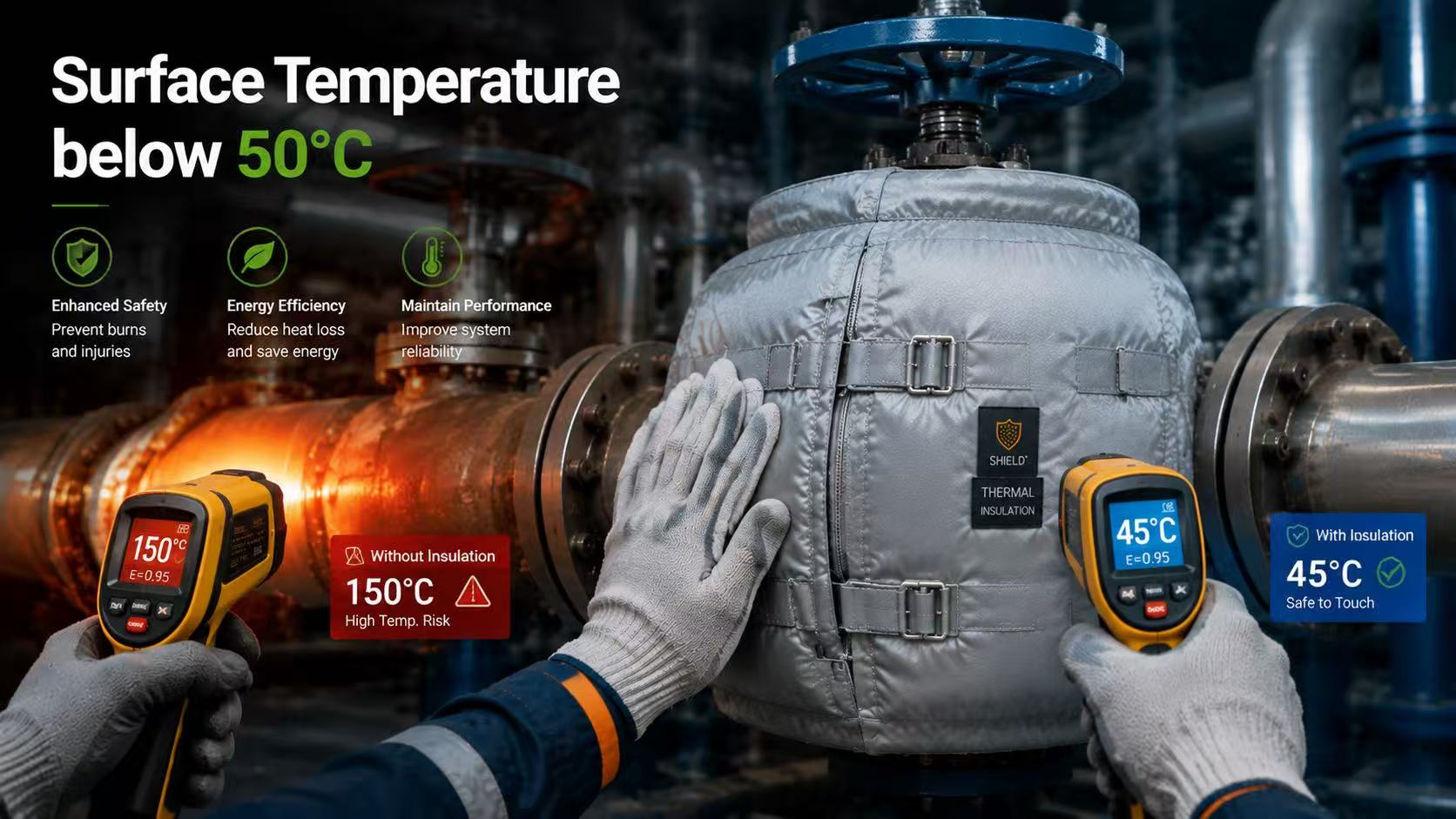
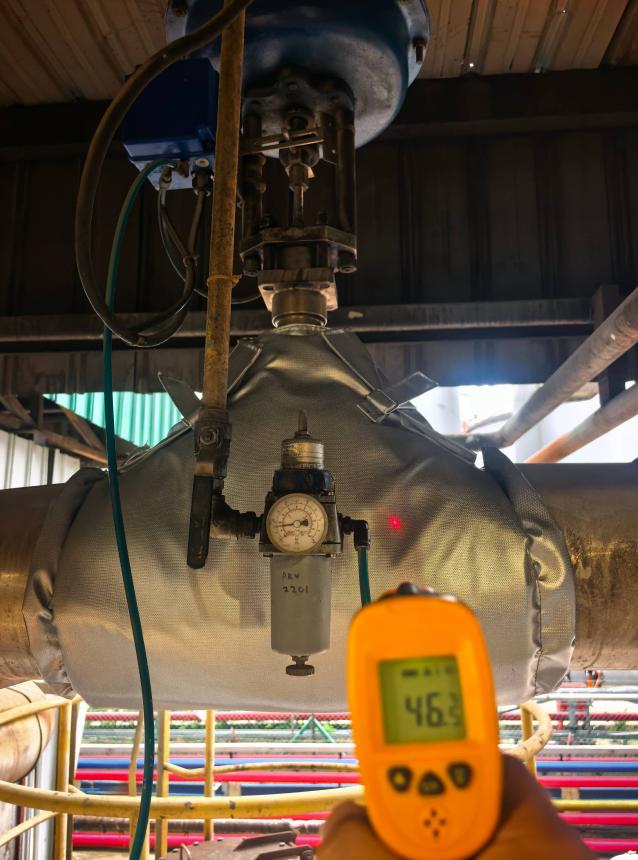
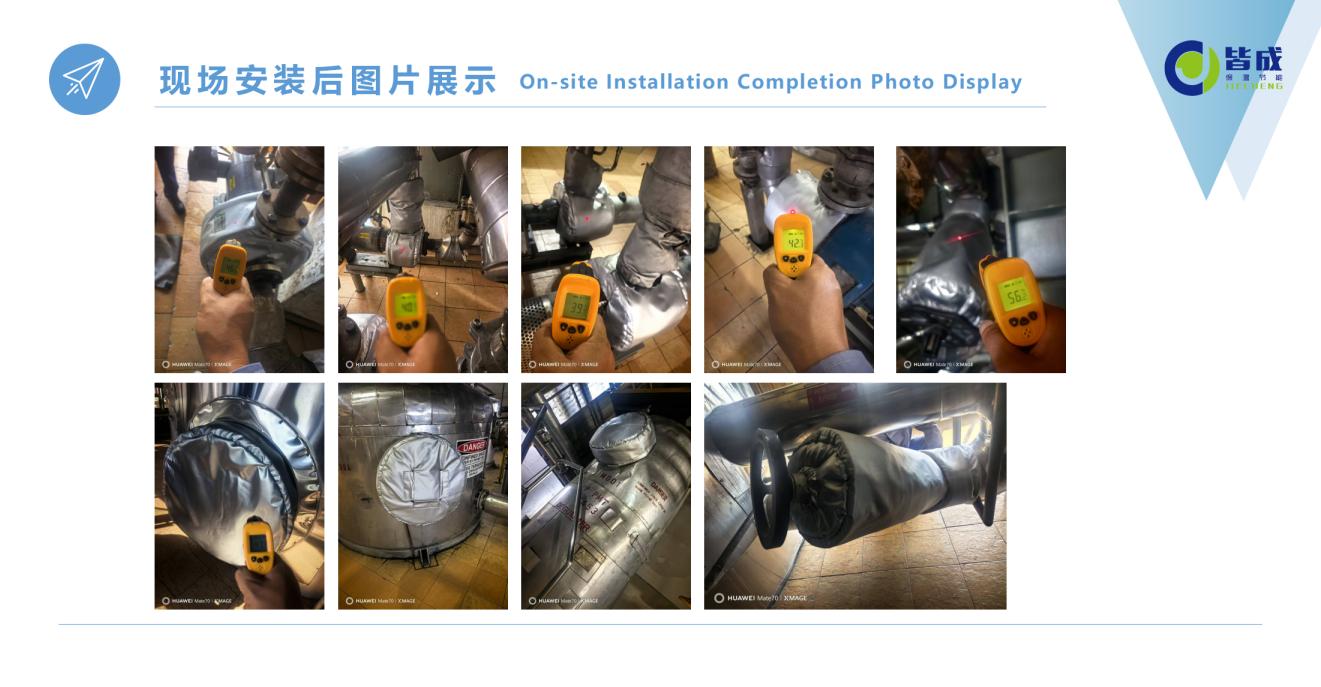
To accurately evaluate the actual energy-saving value of the equipment insulation covers, this test adopts the "before-and-after comparison method": Under the premise that the equipment operating conditions (working temperature, load, ambient temperature) are completely consistent, professional instruments such as high-precision temperature sensors, heat flux meters, and electric energy meters are used to monitor the equipment surface temperature and heat dissipation loss respectively before and after the installation of insulation covers. Taking on-site images as an example: In this test scenario, when the equipment valve was not equipped with an insulation cover, its high-temperature surface continuously dissipated heat to the outside, resulting in a temperature of up to 200℃ during the equipment's operation; after installing the insulation cover, heat energy dissipation was effectively blocked, and the ambient temperature around the equipment directly dropped to approximately 45℃. —— After installing insulation covers on the equipment pipelines and valves, the temperature dropped significantly to around 45℃, successfully meeting the standard for the equipment's normal operating temperature. The insulation measures have achieved remarkable results and effectively ensured the stable operation of the equipment.

insulation jackets are installed on the equipment valves in the refining workshop
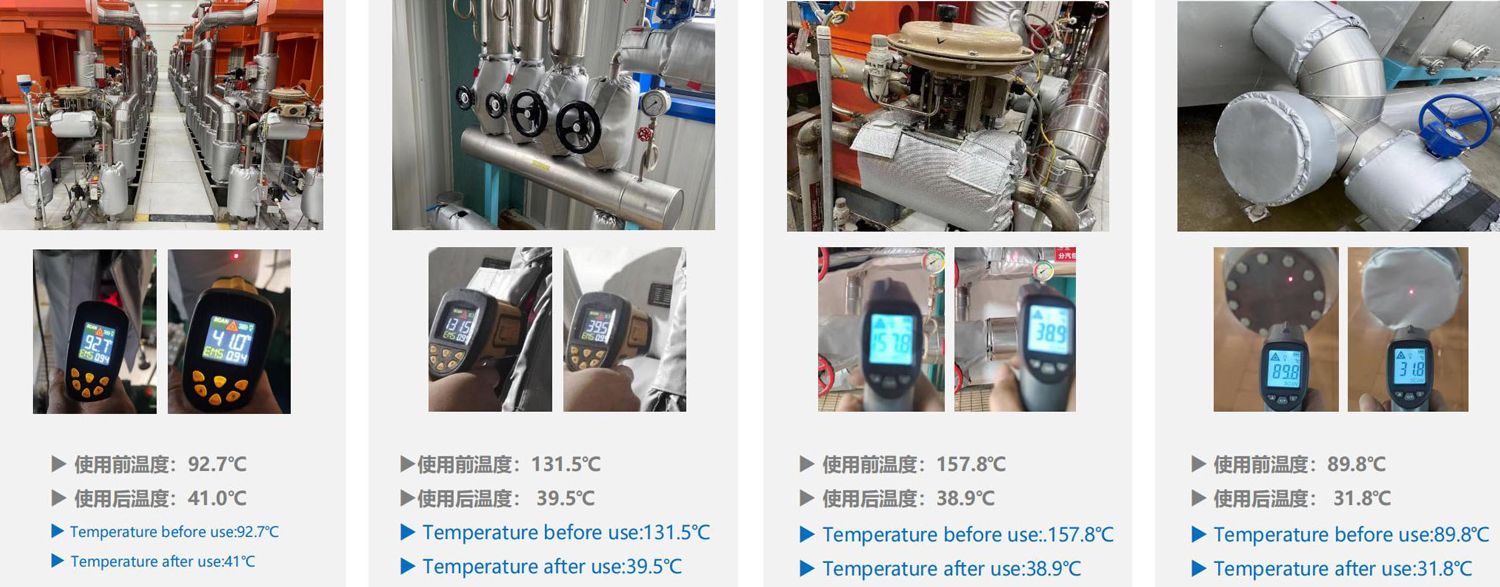
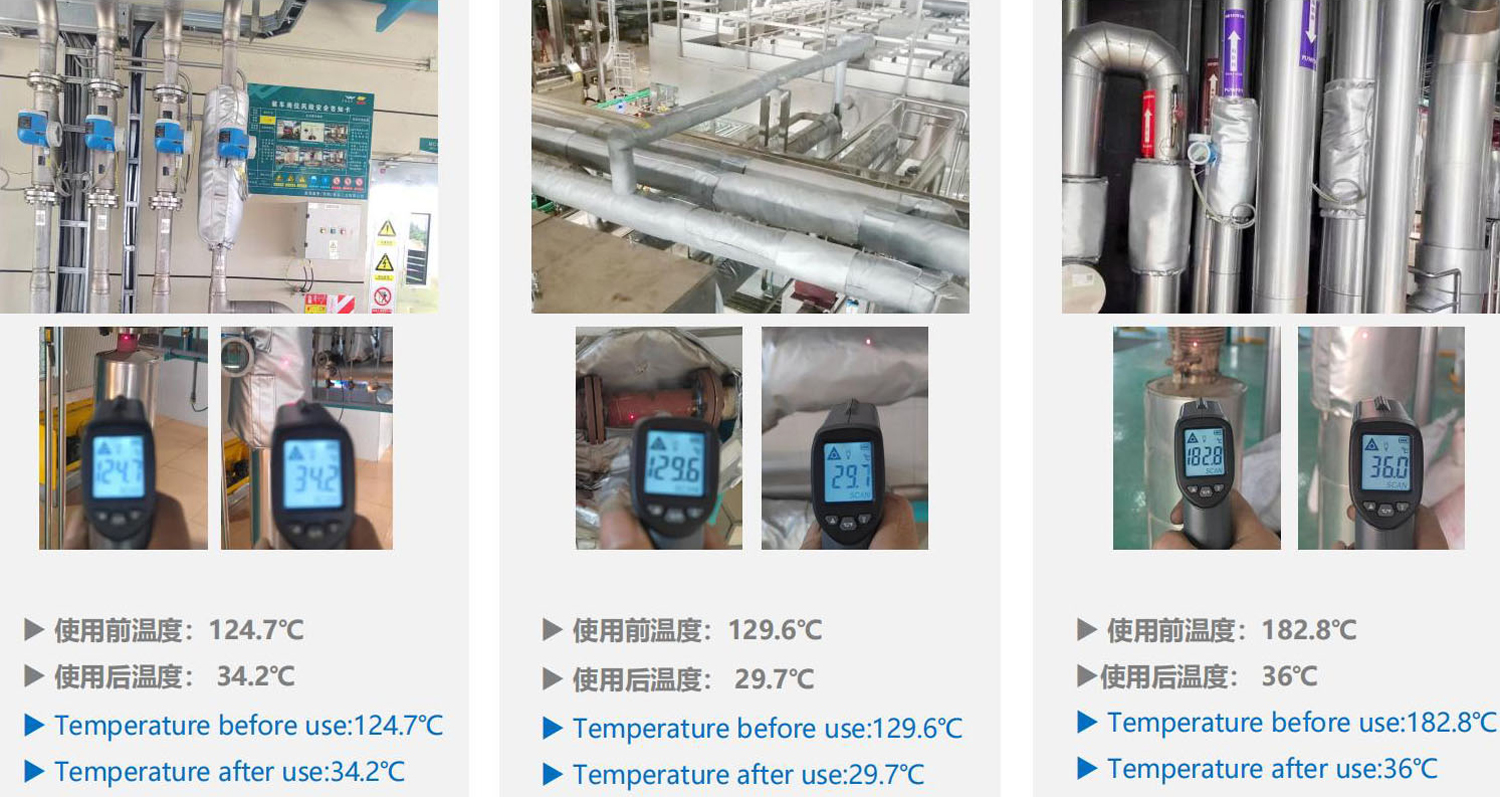
To accurately evaluate the actual energy-saving value of the equipment insulation jackets, this test adopts the "before-and-after comparison method": Under the premise that the equipment operating conditions (working temperature, load, ambient temperature) are fully consistent, professional instruments such as high-precision temperature sensors, heat flux meters, and power meters are utilized to monitor the equipment surface temperature and heat dissipation loss respectively before and after the installation of insulation jackets. Taking on-site images as an example: In this test scenario, when the equipment valves were not equipped with insulation jackets, their high-temperature surfaces continuously dissipated heat outward, resulting in an operating temperature of up to 120℃-200℃. After the insulation jackets were installed, heat energy dissipation was effectively blocked, and the ambient temperature around the equipment was directly reduced to approximately 35℃-45℃. —— After installing insulation jackets on the equipment pipelines and valves in the refining workshop, the temperature was significantly lowered to around 40℃, successfully meeting the standard operating temperature requirements for the equipment. The insulation measures have achieved remarkable results, effectively ensuring the stable operation of the equipment.

Tailor-Made Valve Insulation Jackets for Malaysia: Precision Adaptability and Multi-Core Advantages
Tailor-Made Valve Insulation Jackets for Malaysia: Precision Adaptability and Multi-Core Advantages
Core Advantages Highlighted: Dual Empowerment of Cost Reduction and Efficiency Enhancement

The Role of Small Equipment Insulation Covers
Though seemingly a "small component" in industrial production, equipment insulation covers are actually a "critical factor" related to energy conservation, consumption reduction, safe production, and product quality. They not only help enterprises lower operational costs and mitigate safety risks but also contribute to achieving green and low-carbon development in the industrial sector. Against the backdrop of current industrial transformation and upgrading, selecting high-quality, suitable equipment insulation covers has become an important measure for enterprises to enhance their core competitiveness. In the future, with continuous technological innovation and the expanding scope of application scenarios, equipment insulation covers will play an even more significant role in industrial production, providing solid support for the high-quality development of various industries.

Craftsmanship in Creation: The Beauty of Details in Insulation Cover Installation
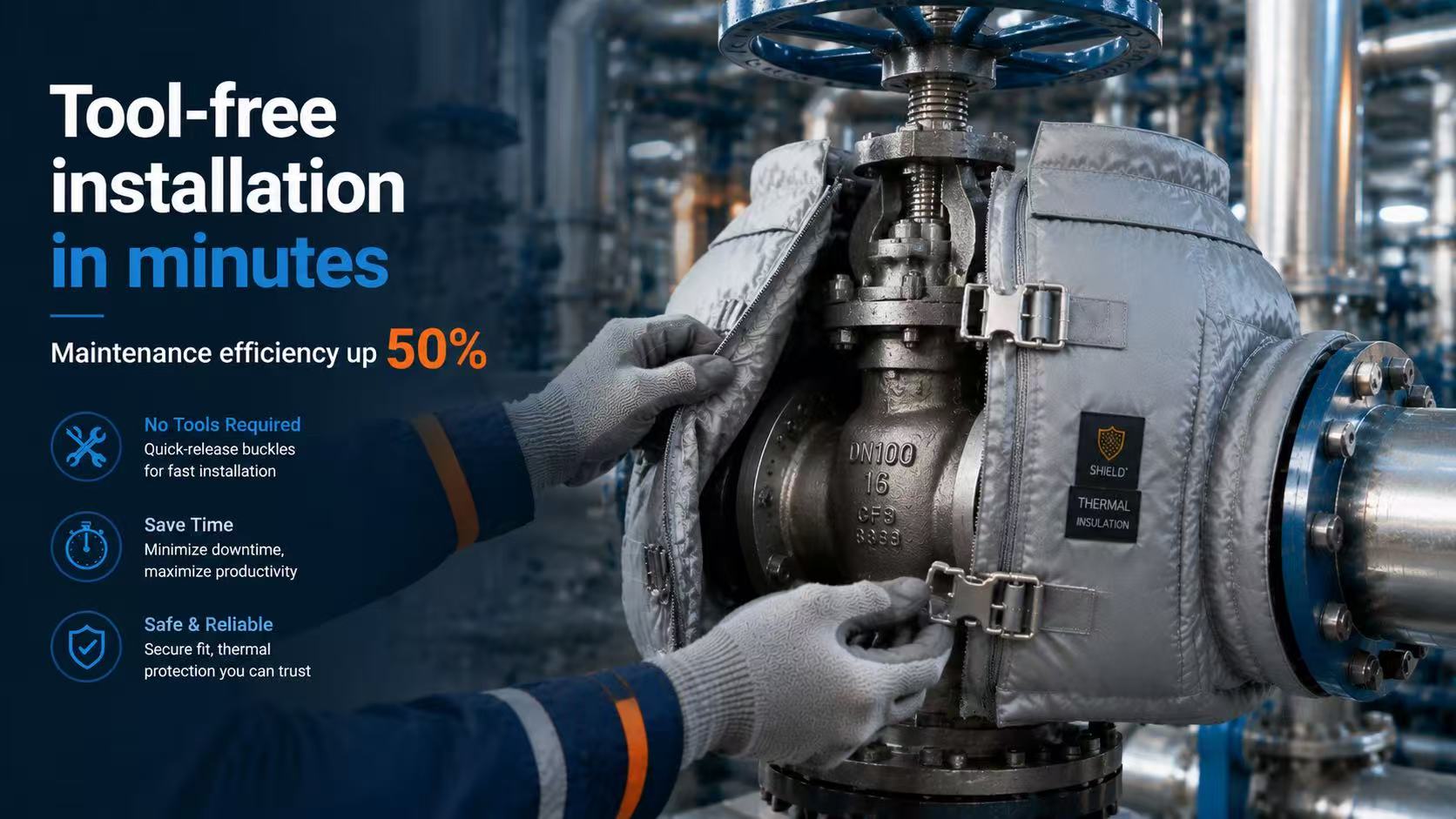
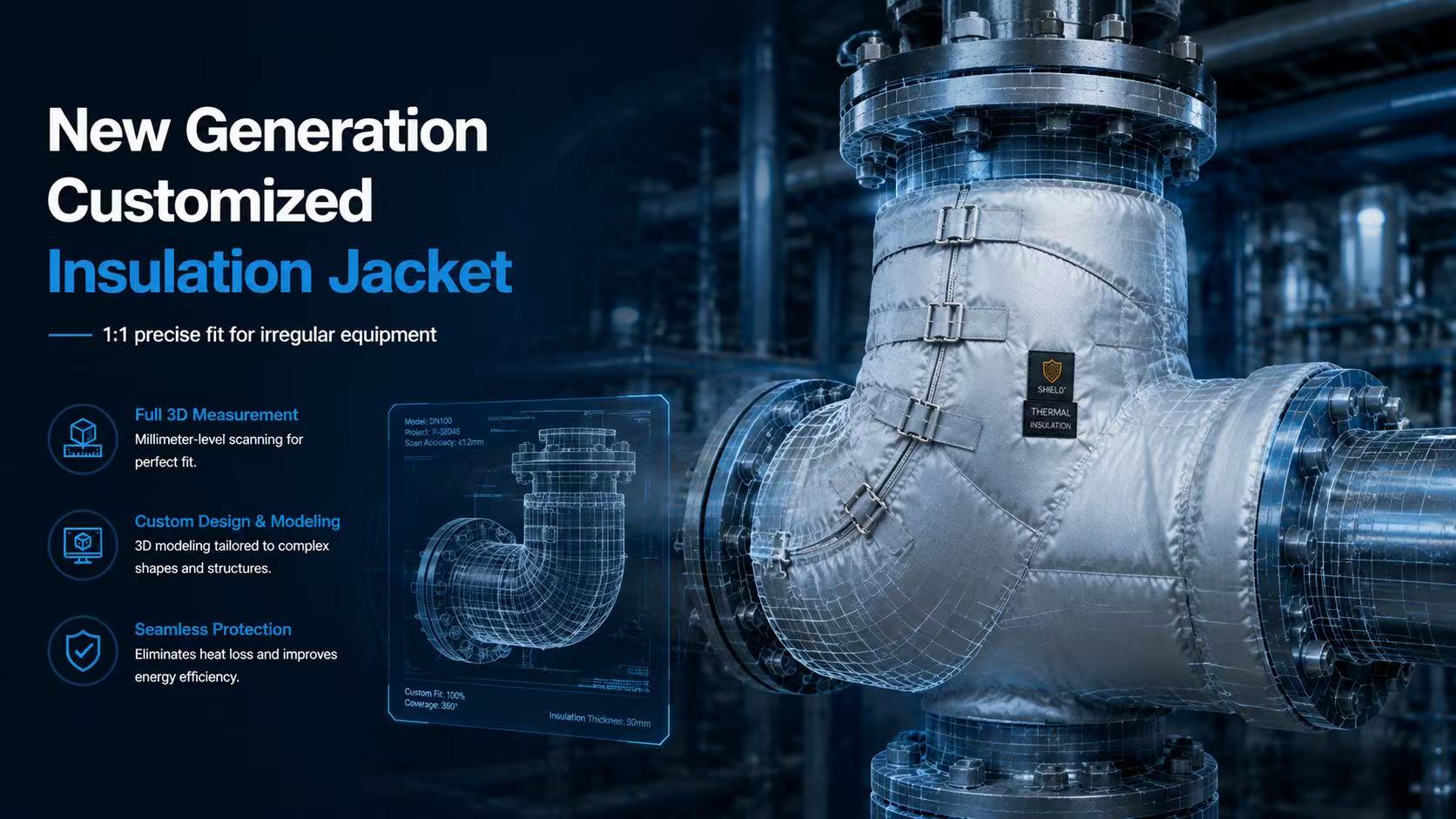
Here is a collection of real installation examples of custom insulation covers we’ve made for clients. Every insulation cover’s production and installation embodies uncompromising craftsmanship. From millimeter-precise measurements and tailored cutting that fits the equipment’s curves, to the careful selection of high-quality materials resistant to high temperatures and aging, and meticulous gap filling and secure joint fastening during installation—every step is executed with full dedication. There is no perfunctory standardization, only targeted exquisite work. These equipment-fitting insulation covers are not only practical tools for heat preservation and energy efficiency but also tangible expressions of our quality commitment. Crafted with heartfelt care, they are designed to safeguard our clients’ production operations.

This is the tank coating and thermal insulation equipment project completed by our company。
This is a project we have done for our customers. The overall insulation of the equipment tank is our new material, not traditional materials such as foam glass wool, but the nano-environmental protection paint for this large-scale equipment tank.
The construction process is very simple. First, sand and remove rust, and then paint the primer and top paint. How about the effect? Isn‘t it beautiful? And it is also particularly energy-saving. It keeps cold in winter and heat-insulating in summer, which can effectively prevent corrosion, freezing, freezing and cracking and other problems. We have done a lot of tank paint insulation projects, with rich experience and mature technology.