




The Invisible Energy Black Hole in Food Processing: Why Valves and Flanges Matter
In food processing plants, steam systems are the dominant energy consumer. Cooking, sterilization, concentration, drying — nearly every core process depends on steam. Yet a long-ignored fact is that heat loss in steam systems occurs not mainly in pipelines, but at thousands of valves, flanges, flexible connections, and heat exchangers.
Take a mid-sized grain and oil processing plant. It may have hundreds of steam valves and heat exchangers. Some equipment, due to complex geometry and frequent maintenance, remains permanently uninsulated, with surface temperatures reaching 180–230°C. Workers cannot approach. Ambient workshop temperatures stay high, driving up air conditioning loads.
A more hidden loss occurs in "failed insulation." Traditional rock wool rapidly loses performance once soaked by condensate, and metal-clad valves are often left uncovered after each maintenance event. One company estimated that annual heat loss from bare and failed insulation equipment exceeded RMB 700,000.
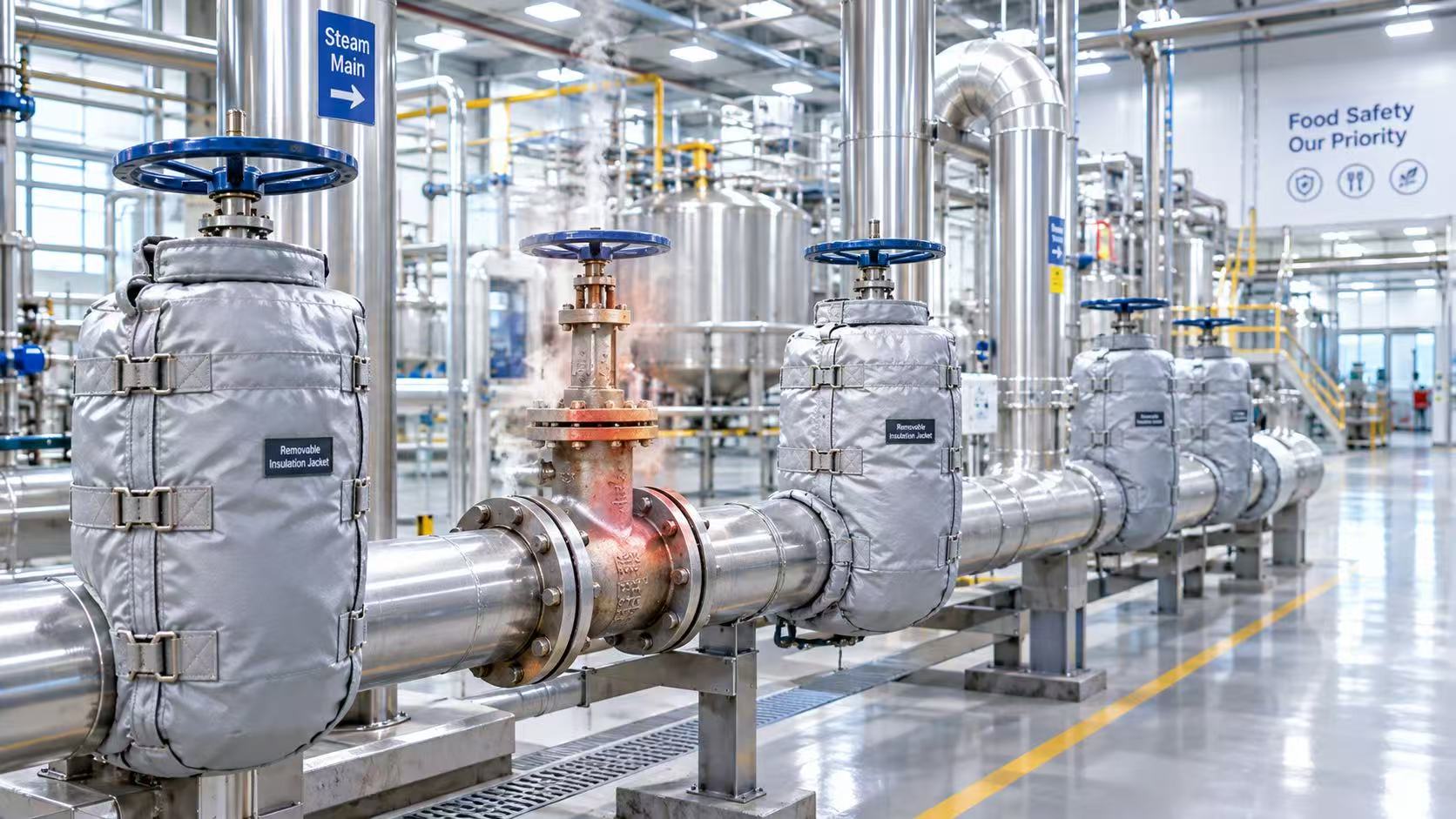
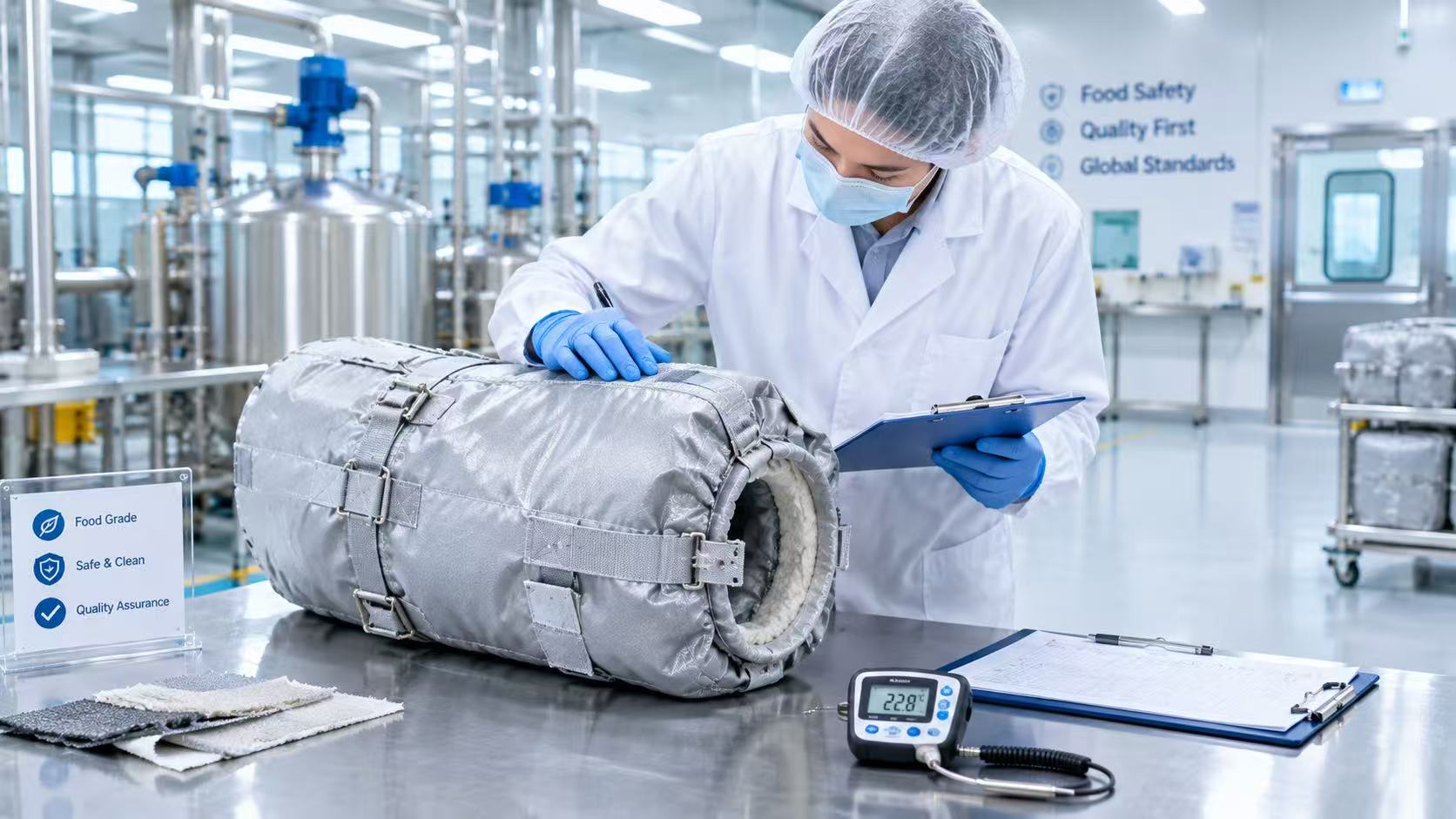
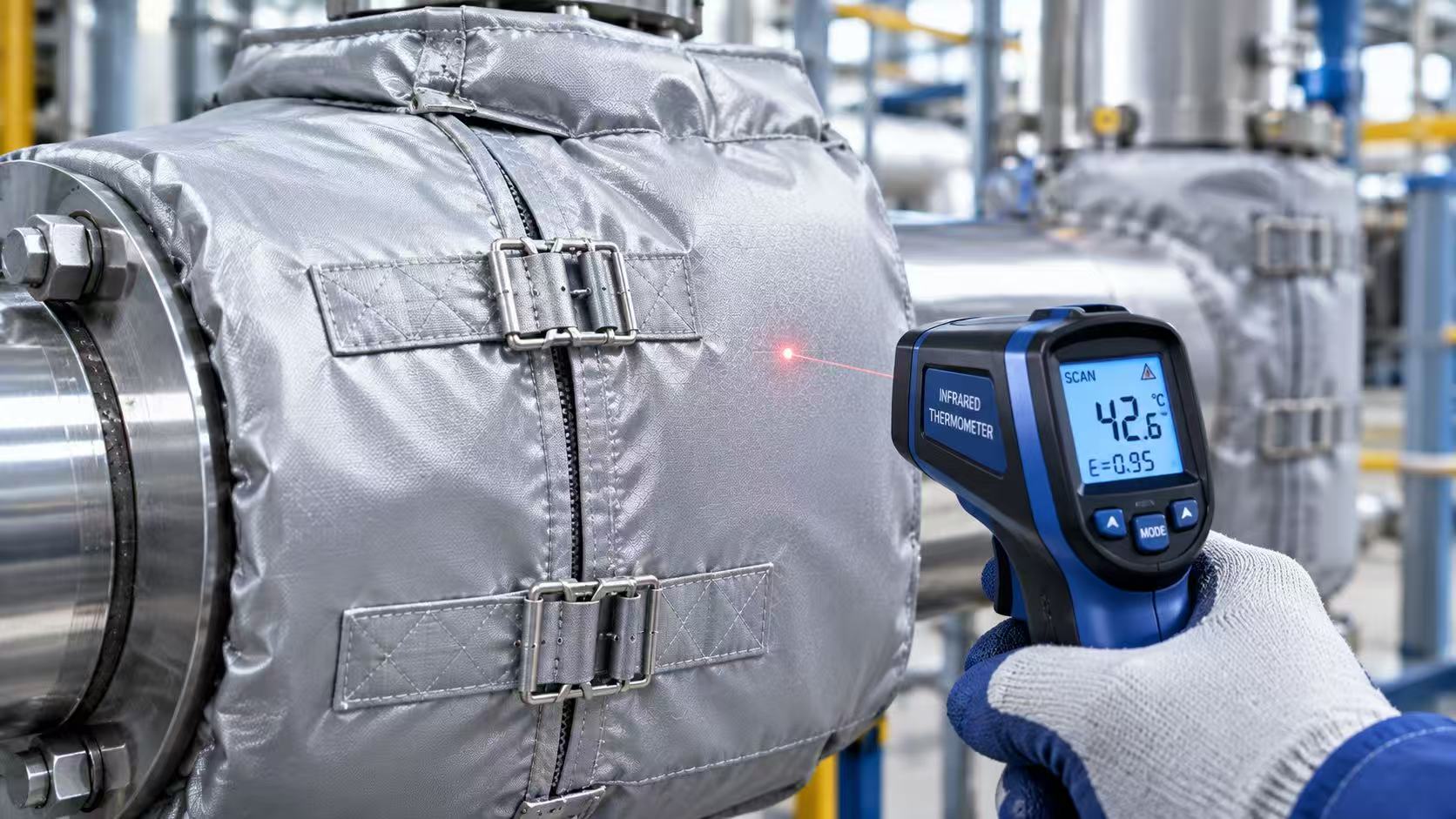
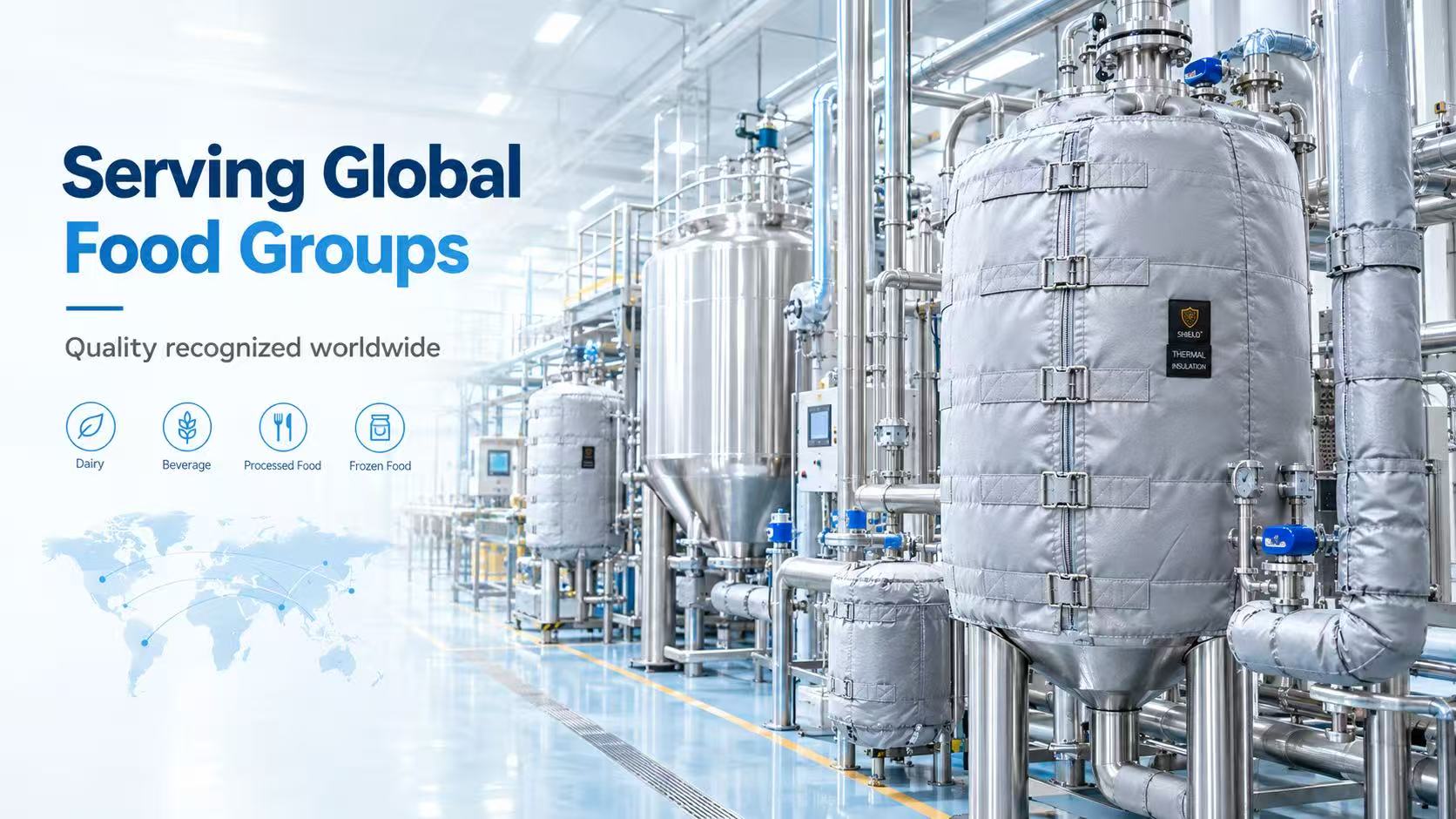
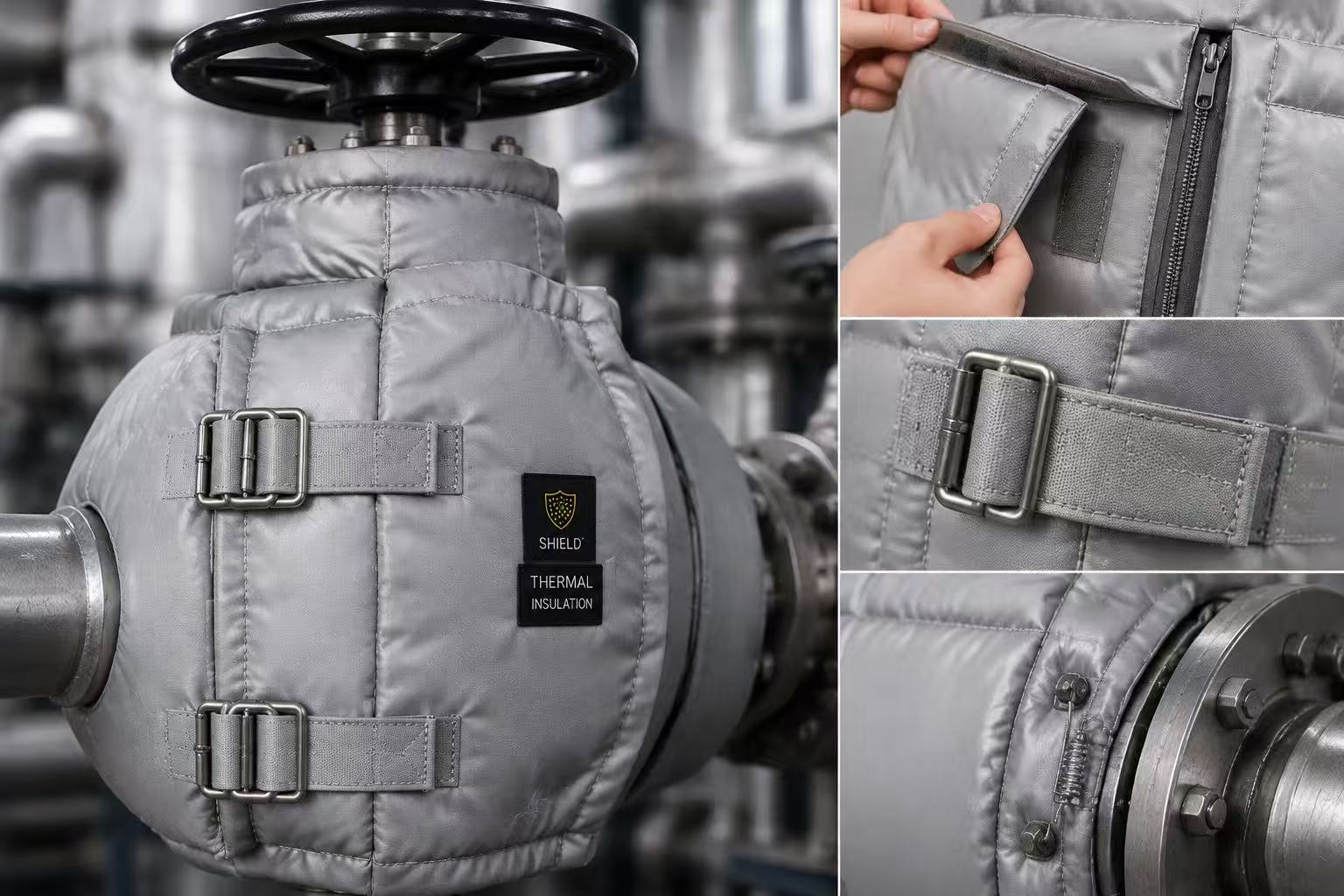
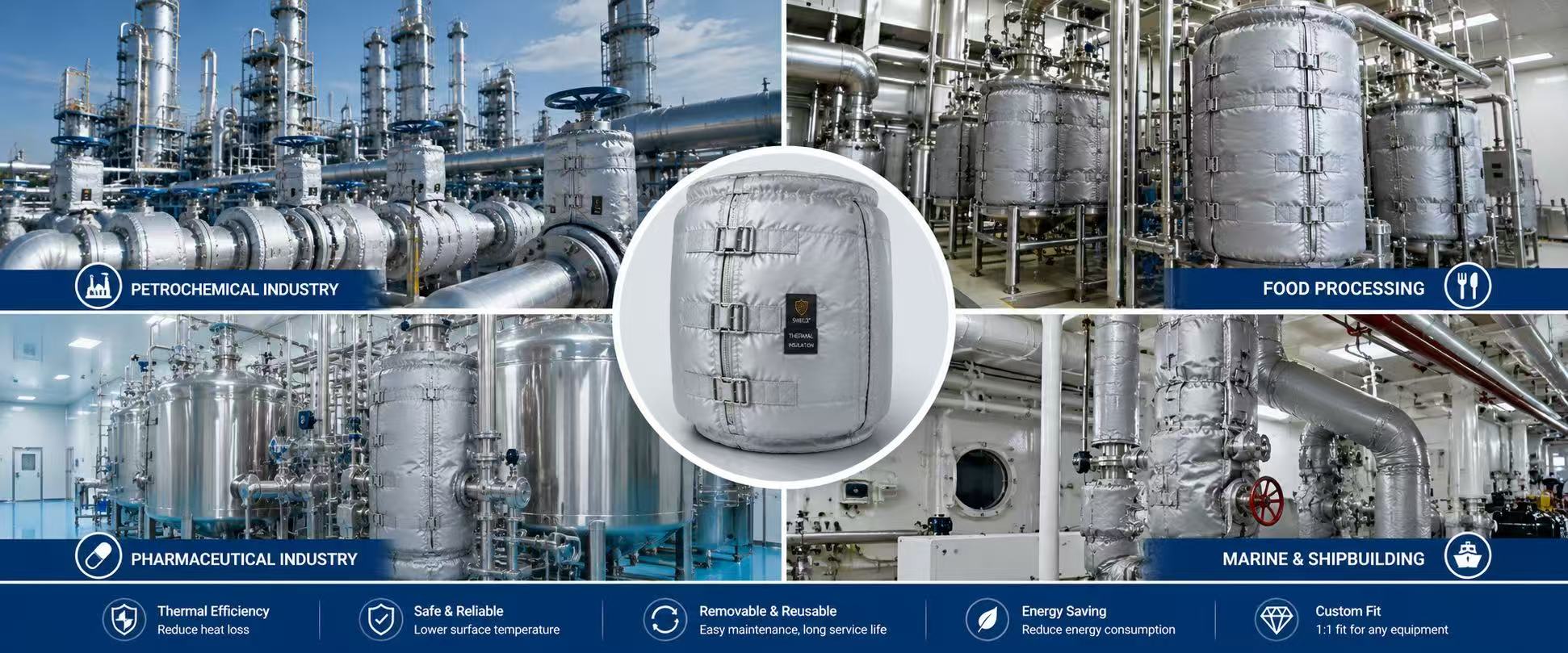
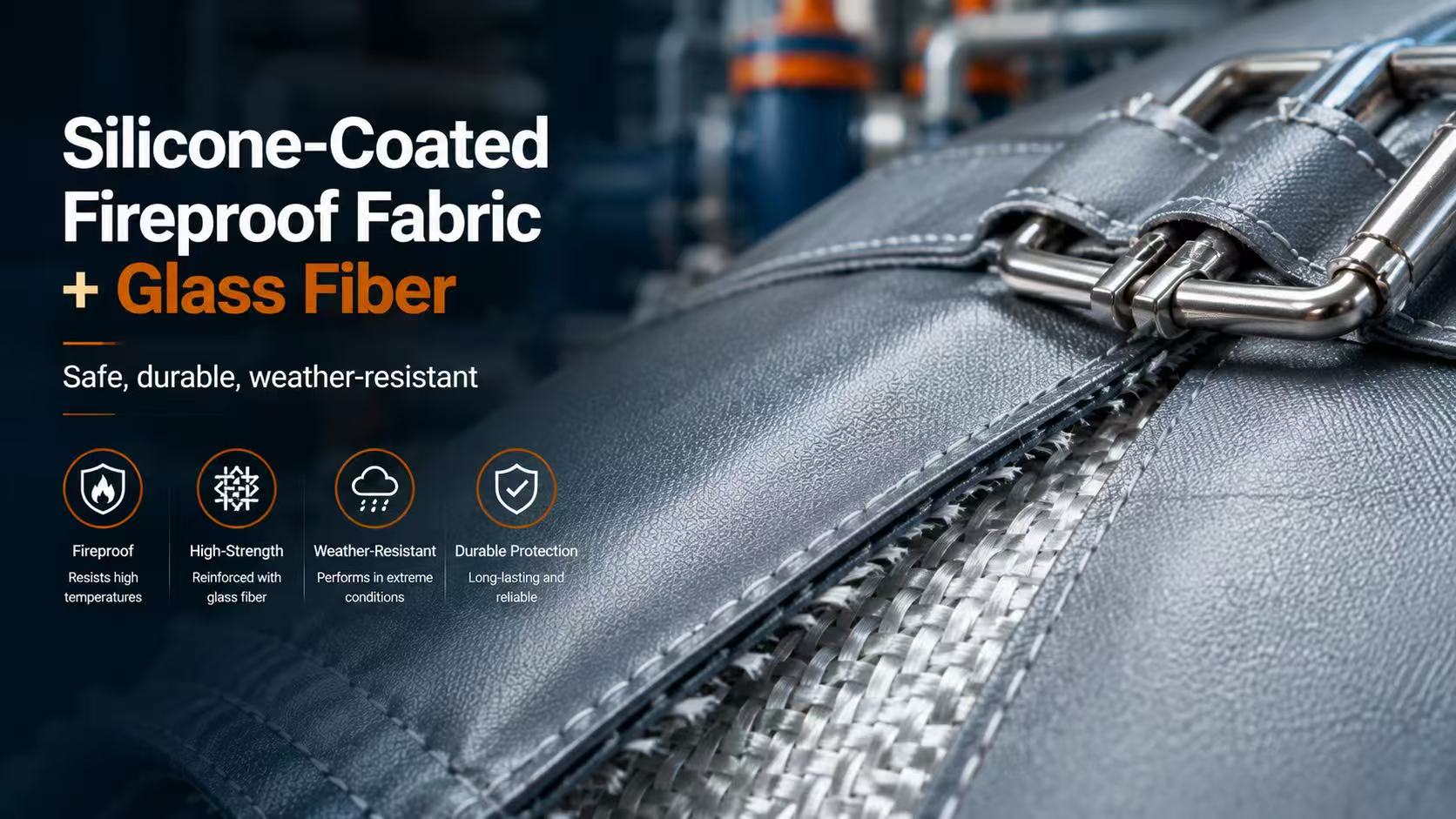
What makes food processing unique is its extreme cleanliness requirements. Fiber dust and moisture absorption from traditional Insulation Materials are not just energy issues — they are food safety risks. This is precisely why removable covers made of silicone-coated composite fabric with fiberglass felt are gaining traction in food processing: waterproof, oil-resistant, wipe-clean, and dust-free, meeting both cleanroom and energy-saving requirements.
When food companies begin to factor "the cost of every unit of steam" into refined management, valves and flanges are no longer corners that can be ignored.