





Why Insulation Covers for Grain and Oil Processing Cannot Simply Copy Chemical Industry Solutions
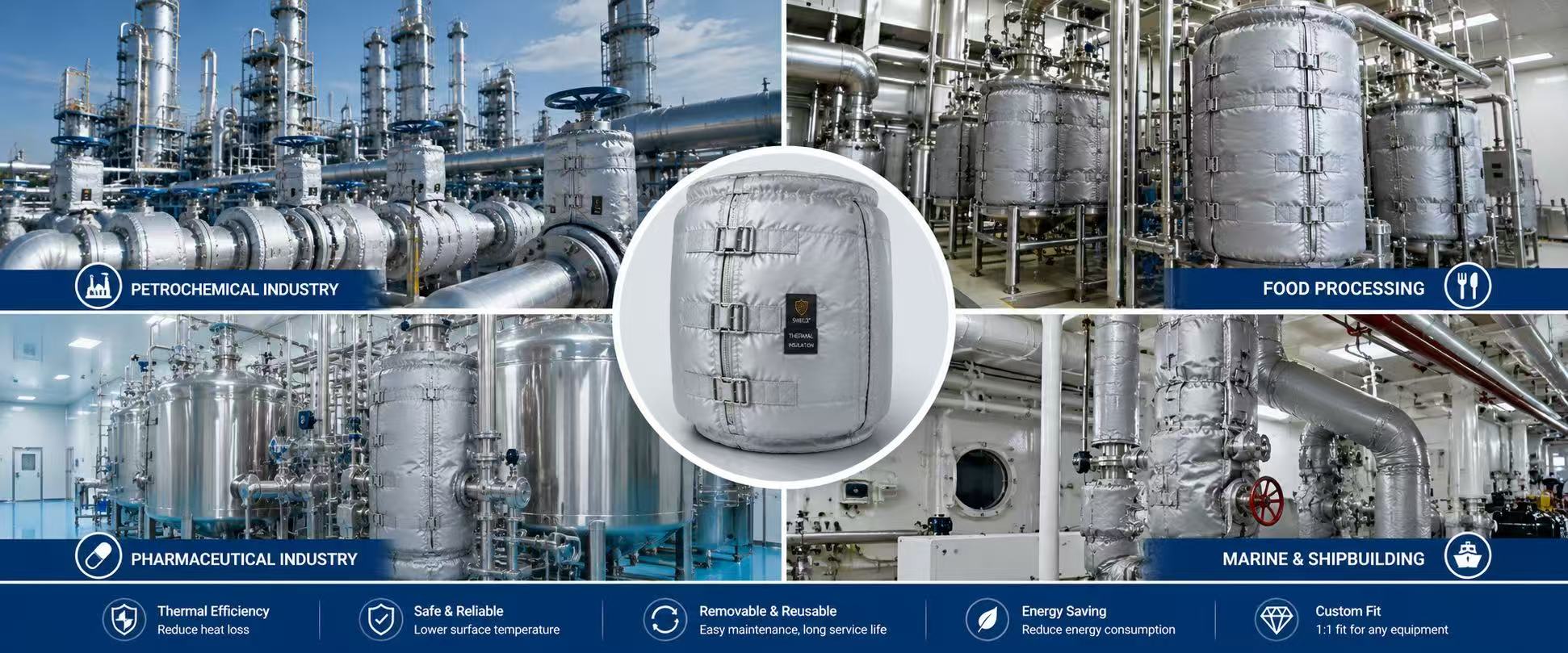
First, temperature ranges differ. Chemical applications often involve 300–600°C. Core equipment in grain and oil processing typically operates at 100–260°C. This means "performance overshoot" can become "performance mismatch" — chasing higher temperature ratings at the expense of flexibility, cleanliness, and service life.
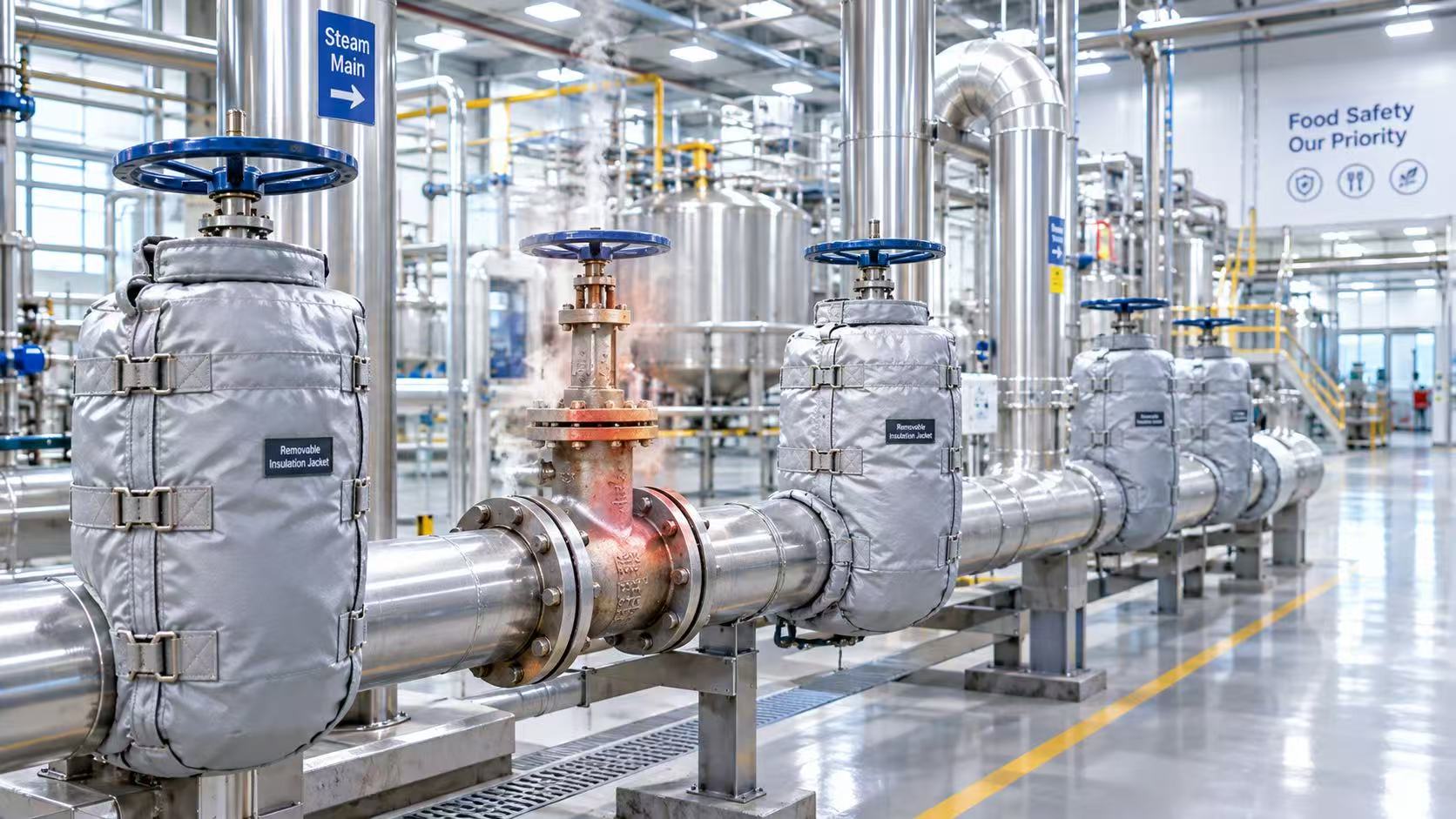
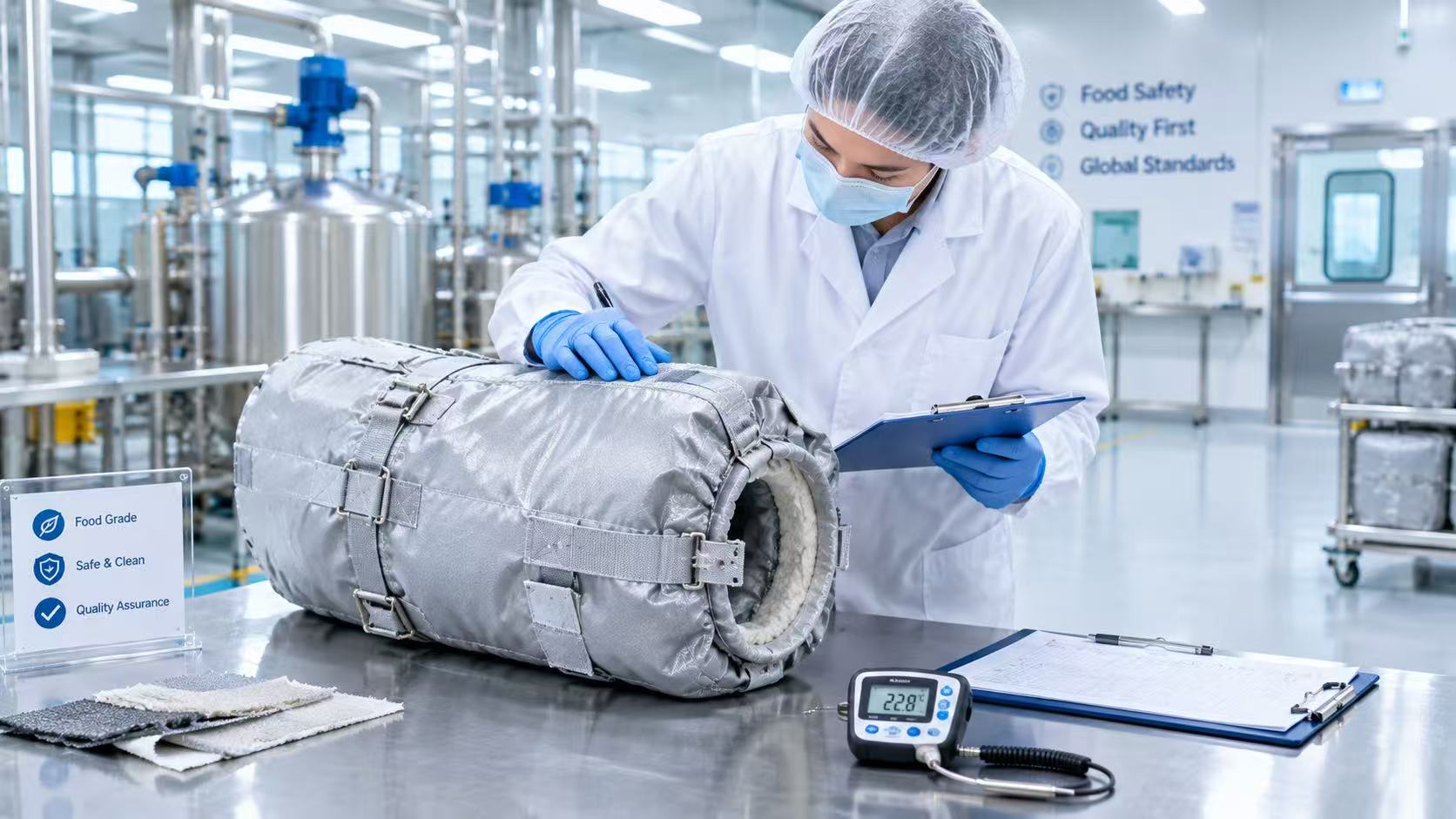
Second, cleanliness requirements differ. Chemical workshops demand extreme chemical resistance from insulation. Food workshops first demand "no shedding, no breeding, easy cleaning." Silicone-coated composite fabric excels here in ways chemical-coated fabrics cannot match: it does not absorb water, does not hold oil, and has a smooth, wipe-clean surface — aligned with food production hygiene logic.
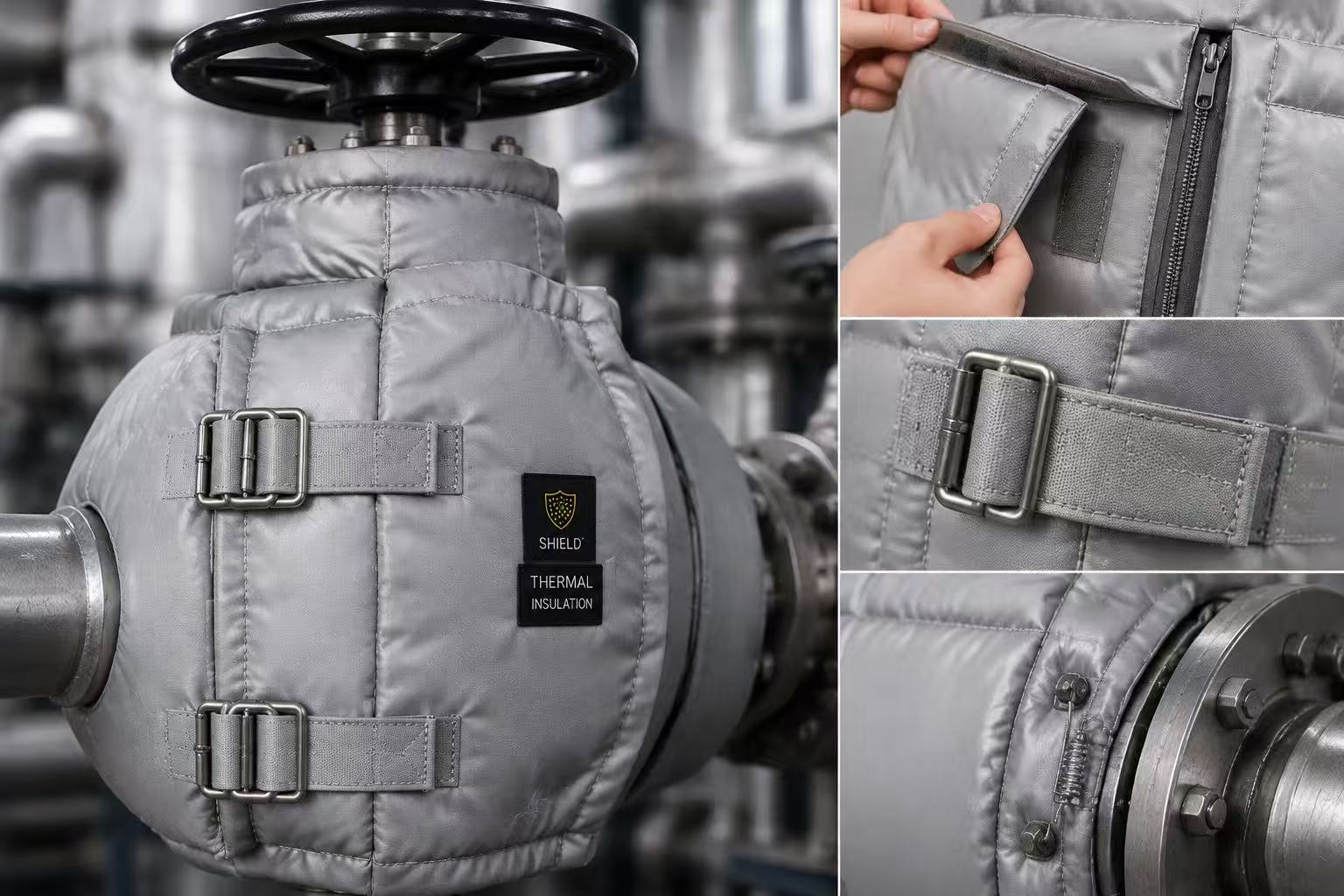
Third, maintenance frequency differs. Food processing equipment is cleaned and serviced far more often than most chemical applications. A valve in a grain and oil workshop may be opened weekly. This means the fastening method must be extremely user-friendly — hook-and-loop is more suitable than buckles, and lightweight design is more practical than high-strength structures.
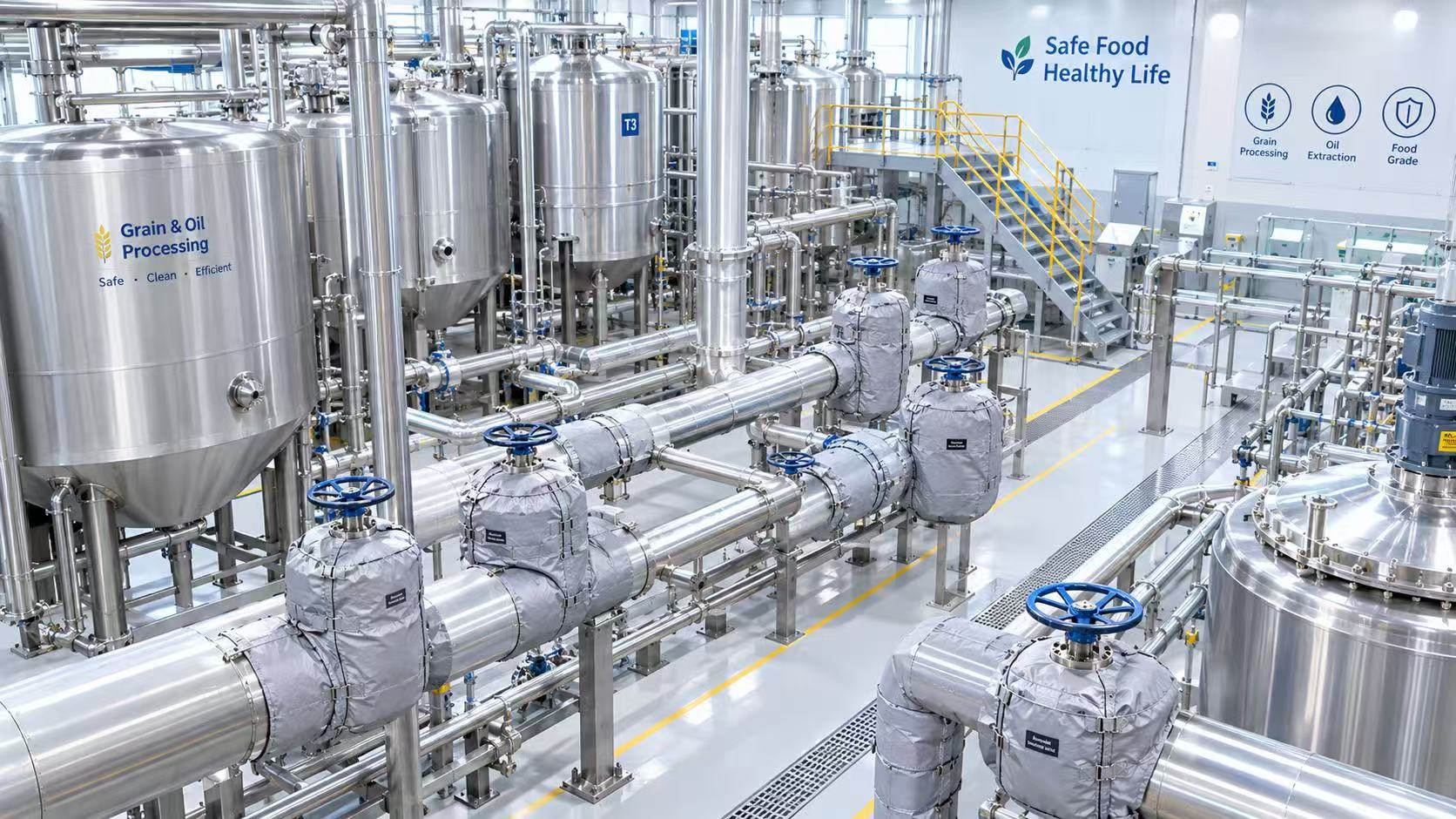
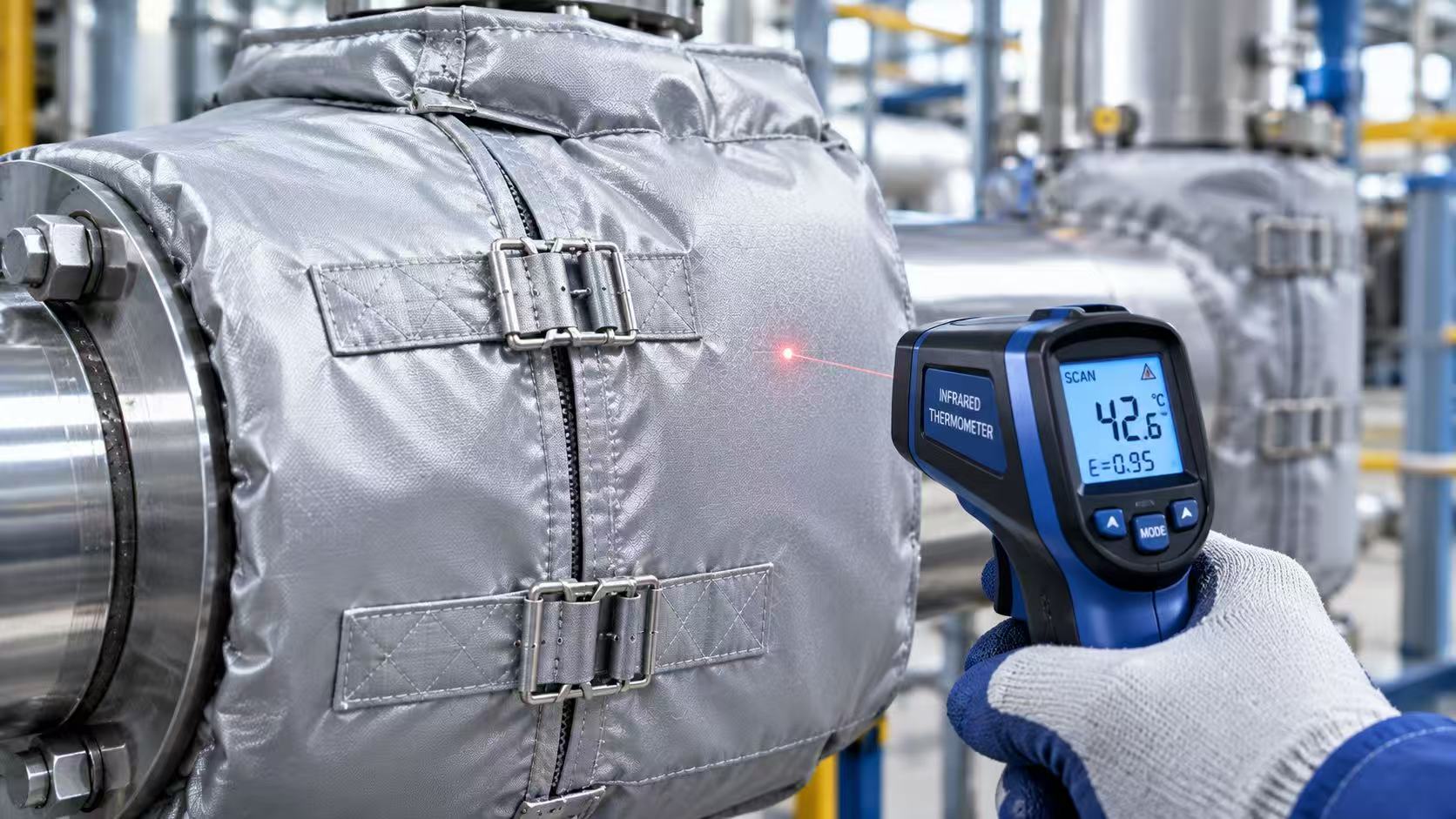
Fourth, safety focus differs. Chemical applications focus on fire and explosion prevention. Food applications focus on burn protection for personnel and workshop temperature control. When ambient workshop temperature drops by 2–3°C, the air conditioning energy savings in summer alone are a measurable benefit.
Serving a grain and oil processing client like Yihai Kerry requires us to step out of the role of "Insulation Cover supplier" and first understand the operational logic of a food factory. Temperature numbers are cold, but the feelings of workers on the floor, the work habits of the maintenance team, and the audit standards of the quality department are the true starting points for solution design.