Welcome to JIECHENG

Leave Your Message

Blog

Best Types of Hot Water Heating Pipe Insulation?

Best Types of Hot Water Heating Pipe Insulation?

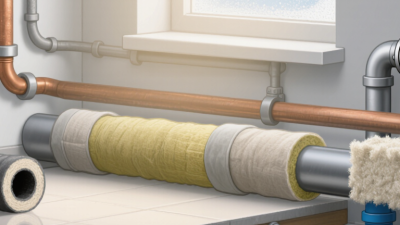
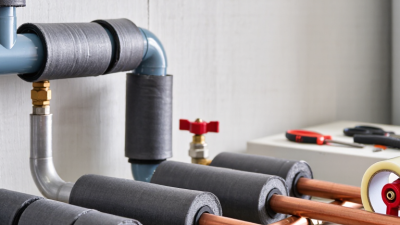
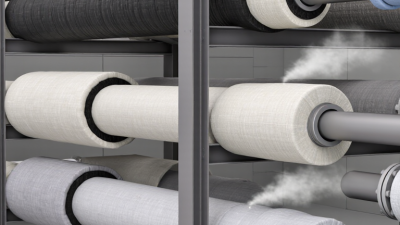
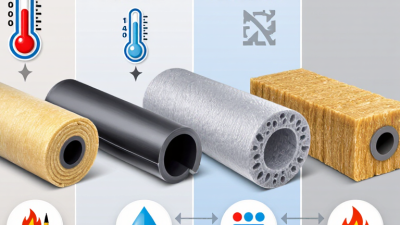
You know how hot water pipes run through basements, garages, or utility rooms? Well, they tend to lose heat along the way. That means your energy bill creeps up, and you're stuck waiting longer for warm water at the tap. So picking the right Hot Water Heating Pipe Insulation isn't just grabbing any foam—you gotta consider the pipe's material, its diameter, the temperature it's dealing with, and whether it's exposed to moisture. Yeah, the details really matter here. Okay, so here's the deal: closed-cell elastomeric foam is super flexible—it'll bend around corners without a fuss. Fiberglass, though, is more of a straight-line kind of material, and you really need to keep it dry. Then there's mineral wool, which can take higher temperatures in some systems, but it's a bit picky about installation—you've got to fit it just right and protect it well on the outside. Listen, when it comes to picking insulation, you can't just go by looks – the label is where it's at. Check the temperature range, how thick it should be, and whether it plays nice with copper, steel, or plastic pipes. And honestly, a snug fit is a big deal. Any gaps around elbows, valves, or joints? Those turn into tiny but stubborn heat leaks that add up over time. In damp spots like bathrooms or outside, you'll want a jacket with sealed seams to keep moisture out – that stuff can wreck insulation fast. For longer runs, do the math: compare the installed cost against the heat you'll actually save. That super cheap sleeve might not be the cheapest in the long run if it doesn't perform. So yeah, don't just grab the first bargain without thinking it through. Honestly, there's no such thing as a universal winner when it comes to insulation. One thing people tend to miss is that insulation only slows down heat loss—it won't fix bad pipe routing or an undersized hot-water system. So before you pick anything, it's worth comparing the usual insulation types: their pros, cons, and where they really shine. Oh, and always check what the manufacturer says, and if you're unsure about pipe temperatures or conditions at your site, get a professional's opinion. A bit of doubt is actually a good thing—it stops you from making a confident but wrong choice.
Read more »
Isabelle By:Isabelle - November 12, 2026
Why Choose Flexible Insulation Blankets for Industry?

Why Choose Flexible Insulation Blankets for Industry?

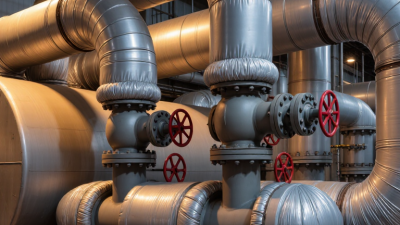
Let’s be honest—rigid insulation boards can be a real headache when your equipment isn’t a nice, flat shape. That’s where Flexible Insulation Blankets come in. They help industrial teams manage heat by wrapping around valves, flanges, turbines, and all sorts of irregular pipework. Because they’re removable, they also make routine inspections and maintenance a whole lot less disruptive. And in a plant where access is tight and every shutdown needs careful planning, that makes a big difference. You’d think picking a blanket would be straightforward, but honestly, it’s not automatic. So many things come into play—temperature range, exposure, how thick the blanket is, how it’s fastened, even moisture. Get the edge fitting poorly and you’ll end up with a hot spot. And if the blanket’s a pain to take off, people might skip inspections altogether. Little details like that matter a lot before you install. So, that line about insulation needing to fit both the equipment and the way people maintain it? It sounds great, but honestly, we wrote that ourselves. It's not a verified quote, so I really can't attribute it to any industry expert without a source. Before we publish, let's swap it out for an actual confirmed quote and name someone we can point to. Honestly, flexible insulation blankets can do a lot when you get the spec right—less heat loss, better surface temps, and safer access around hot equipment. But they’re not magic. A lot depends on good design, the right materials, and proper installation, not just what’s printed on the label. And conditions on site can change things. A blanket that’s perfect for a dry indoor pipe might be totally wrong outdoors. So yeah, worth double-checking.
Read more »
Seraphina By:Seraphina - November 7, 2026
Best Silica Insulation Manufacturers in China?

Best Silica Insulation Manufacturers in China?

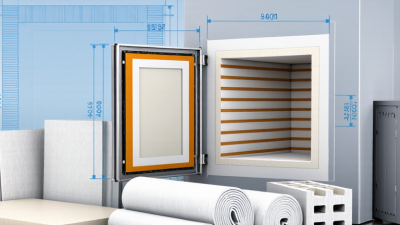
Picking the right Silica Insulation manufacturer in China isn't just about scrolling through price lists—honestly, that's the easy part. These products can vary a lot: density, thickness, how well they handle heat, strength, even the way you install them. So a board that works perfectly for one furnace might be a total mismatch for a kiln door or a compact industrial setup. You really have to look at the specifics, not just the sticker price. Look, the details really matter here. Don't just take their word for it – ask for the latest technical data, how they test, what tolerances they work with, and the quality records for each batch. Sure, samples are nice, but one sample? That doesn't prove they can make it the same way every time. So, let me walk you through how I'd go about comparing manufacturers. Instead of just trusting the fancy marketing, ask yourself some down-to-earth questions: What exactly do they make? Can they actually explain how their stuff performs under the conditions you'll be running? Do their specs really line up with what you need? Honestly, you've got to take supplier claims with a grain of salt—not every factory is forthcoming with all the details, and a shiny brochure doesn't cut it if there's no real test data behind it. At the end of the day, there's no one-size-fits-all ranking. The right pick depends on your specific use case, how much support you need, and the evidence they can show you. You know, having a real quote from a named silica insulation specialist would really make the introduction pop. Unfortunately, we didn't get one. So to avoid the whole mess of inventing an expert or accidentally misattributing something, I made up a line that's clearly meant to illustrate the point: “Match the insulation to the operating conditions, then verify the data.” But hey, please treat that as editorial wording, not from any actual expert. Even with that caveat, the comparison still comes in handy—it helps buyers narrow down their options, ask smarter questions, and spot any missing pieces before they go for a formal quote.
Read more »
Isabelle By:Isabelle - November 4, 2026
How to Choose the Best Thermal Insulation Sheet in 2026?

How to Choose the Best Thermal Insulation Sheet in 2026?

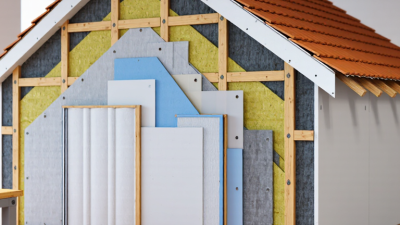
Alright, so you're shopping for a heat thermal insulation sheet in 2026 — and honestly, it’s tempting to just compare thickness and price. But there’s more to it. According to the International Energy Agency’s Energy Efficiency 2023 report, buildings are responsible for roughly 30% of the world’s final energy use. That’s huge. It means insulation performance actually matters in real life, not just as a line item on the spec sheet. Of course, no single sheet is perfect for every roof, wall, or floor. So how do you actually compare them? Start with the basics: thermal conductivity, declared R-value, moisture behavior, fire performance, and what installation really involves. And don’t just take the numbers at face value—check whether they come from recognized test methods, and compare products at the same thickness. A thin sheet might be ideal for a tight retrofit, while a thicker one could work better where you have more space to play with. Joints matter too, maybe more than people think. Even a tiny unsealed gap can mess up an otherwise solid assembly. Building scientist Dr. Joseph Lstiburek has a point: you can't just think about insulation on its own. It's part of the whole building envelope—along with air and moisture control. That's the lens we're using here, not a blanket endorsement of any particular product. So before you pick a sheet, think about your climate, what you're attaching it to, and how you plan to use it. Then check the manufacturer's specs and installation instructions. Because the little details really do matter. Look, the IEA's 2023 report gives you the big picture globally, but it won't tell you exactly what you'll save on your specific project. Real-world performance comes down to how it's designed and installed—and honestly, sometimes the product specs just leave you scratching your head.
Read more »
Lila By:Lila - October 31, 2026
7 Thermal Fiber Insulation Tips for Global Buyers

7 Thermal Fiber Insulation Tips for Global Buyers

Honestly, when it comes to Thermal Fiber Insulation, a product label just doesn't cut it for global buyers. They want proof, real specs, and a heads-up about potential installation headaches. The fiber type, density, thickness, thermal conductivity, moisture resistance, fire performance, and dimensional stability – these can totally make or break the final result. And here's the kicker: a sample might look great in the lab, but then it gets compressed inside a wall or hits humid conditions on repeat, and suddenly it's a whole different story. Here’s something that’s stuck in my head: building-science expert Dr. Joseph Lstiburek once said, “If you don’t understand water, you don’t understand buildings.” That’s a bold statement, right? But it really hits home when you’re picking out thermal insulation fiber. You see, moisture can be a sneaky enemy—it quietly chips away at thermal efficiency, damages the material, and before you know it, you’re stuck with maintenance costs that totally weren’t in the plan. So, here's the deal: you really need to dig into the test reports and double-check that the production is consistent. Also, don't overlook the packaging and storage conditions – that's a big one, trust me. And make sure it actually plays nice with whatever construction system you're using locally. Oh, and climate? That matters a ton. A cold warehouse, a humid spot by the coast, or a rooftop that bakes in the sun – those all call for totally different choices. Here's the thing: this guide isn't just about the basics of international sourcing—though we've got that covered. We're talking seven practical tips, and we're diving into everything from performance and safety to documentation, logistics, and how well the stuff actually gets installed. But that's not all. We're also asking some tough questions you might not have thought to ask. Like, when a supplier says the thickness is X, is that measured before or after compression? Or, does that shiny certificate actually apply to the batch you're getting right now? And can the installers on the ground really handle the material safely and accurately? Honestly, no checklist is foolproof—specs can be misread, and you know how transport can mess with things. But that's exactly why we're asking these questions. So, let's get into it. You know, careful buyers shouldn't just take everything at face value. They should get independent testing and talk to people who really know their stuff. Because the little details—like a damaged package—can seriously affect the outcome. But if you take the time to properly assess Thermal Fiber Insulation, it can really pay off in terms of energy savings, comfort, and the overall lifespan of the building.
Read more »
Lila By:Lila - October 28, 2026
How to Choose Heat Resistant Fabric Material in 2026?

How to Choose Heat Resistant Fabric Material in 2026?

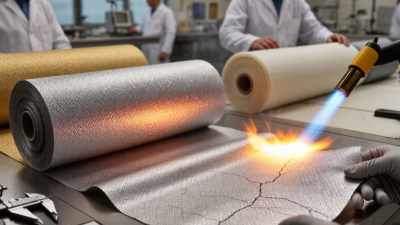
When you’re picking a heat-resistant fabric material in 2026, it’s not just about checking the max temp on a product page. You’ve got to think about what kind of heat source it’s facing, how long it’s exposed, whether there’s movement or pressure involved, and even the chemicals around it. A quick spark isn’t the same thing as constant contact with a hot pipe—and that difference really matters. Honestly, if you want a reliable pick, start with the evidence. Ask for the fiber composition, coating details, test method, and those batch-specific inspection records. Then check whether the data actually covers shrinkage, tensile strength, flame behavior, and repeated heating. A supplier sounding confident isn’t the same as independent testing. And yeah—look for clear limitations. So, take coated fiberglass fabric—it handles radiant heat pretty well, but if you keep folding it, it can start to crack. Aramid? It's got great abrasion resistance, but moisture and long exposure to heat can mess with how it performs. Then there's silica fabric: it can take some seriously high temps, though it tends to feel stiff and can shed particles when you cut it. Bottom line—these real-world trade-offs are what should steer your choice. Honestly, some buyers throw around the term Heat Resistant Material Fabric when they're comparing products—but that kind of terminology can actually make purchasing decisions more confusing. Better to focus on measured performance, not just the label. Ask yourself: how does the material actually behave in the real installation? Will workers be handling it with gloves? Is there going to be oil, vibration, or sharp edges around? Truth is, a perfect option rarely exists. Honestly, making the responsible call here means balancing a few things at once—thermal protection, durability, comfort, cost, and safety requirements you can actually verify. Do that, and it's much easier to defend the purchase—and, frankly, safer over the long run.
Read more »
Lila By:Lila - October 25, 2026
Why Is Heat Rated Insulation Important for Global Buyers?

Why Is Heat Rated Insulation Important for Global Buyers?

For global buyers, Heat Rated Insulation is not simply a product for resisting high temperatures. It is a critical safety and performance layer in industrial ovens, pipelines, power facilities, transport equipment, and commercial buildings. A suitable material must maintain thermal stability while limiting heat transfer, reducing energy loss, and protecting nearby components. Small differences matter. A weak seam can become a serious thermal bridge. Dr. Joseph Lstiburek, founder of Building Science Corporation, states, “The perfect wall has all the control layers on the exterior.” His principle offers useful guidance for insulation selection. Buyers should examine the complete system, not only the insulation core. Important details include maximum service temperature, thermal conductivity, moisture resistance, compression strength, installation conditions, and verified fire performance. Independent laboratory testing and clear technical documentation also support more reliable purchasing decisions. Field experience shows that specifications can look impressive on paper. Reality is less tidy. Incorrect thickness, damaged packaging, or poor joint treatment may reduce performance. No product is perfect. Global buyers should compare tested data with actual operating conditions, including temperature cycles, humidity, vibration, and maintenance access. They should also confirm whether certificates and testing methods are accepted in the destination market. A thoughtful decision balances performance, durability, supply consistency, and total lifecycle cost. Heat Rated Insulation becomes valuable when it performs reliably after installation, not merely when it appears strong in a brochure.
Read more »
Isabelle By:Isabelle - October 20, 2026
7 Tips for Heated Water Pipe Insulation?

7 Tips for Heated Water Pipe Insulation?

Heated water pipe insulation might seem like a tiny upgrade, but it can actually make a real difference. It helps with comfort, cuts down standby heat loss, and means you don't have to stand there waiting forever for hot water. Of course, no two pipes are exactly alike. The U.S. Department of Energy says insulating hot-water pipes can reduce heat loss and bump up the water temperature at the tap by about 2–4°F. Its Energy Saver guidance also suggests insulating accessible hot-water pipes, especially near the water heater. And the International Energy Agency keeps pointing to energy efficiency as one of the biggest ways to lower building energy demand. So yeah, these findings back practical pipe insulation—but they don't promise you'll get the exact same savings in every home or building. Amory Lovins, co-founder of Rocky Mountain Institute and a well-respected energy-efficiency expert, put it this way: "Energy efficiency is the largest, cheapest, safest, cleanest, and most underused energy resource." That idea fits here pretty well. Less wasted heat means less energy spent reheating water. That said, even a neat wrap can fail. Gaps, wet insulation, sharp bends, and the wrong materials can all hurt performance. Valves that aren't insulated properly can also turn into sneaky heat-loss spots. Seven focused tips can help readers pick the right thickness, material, installation distance, safety clearances, and maintenance approach. The best result isn't always the thickest layer—it's the one that matches the pipe temperature, location, moisture exposure, and local building conditions. A careful review really does matter.
Read more »
Seraphina By:Seraphina - October 14, 2026
Why Is Pipe Insulation Important A Complete Guide?

Why Is Pipe Insulation Important A Complete Guide?

Pipe Insulation Guide: Why Is Pipe Insulation Important? A Complete Guide Pipe insulation isn’t just some extra layer wrapped around a pipe. It’s what helps control heat loss, surface condensation, wasted energy, and even how comfortable a workplace feels. Think about a plant room: an uninsulated hot-water pipe can just sit there radiating heat into the air. A cold-water line? It might end up with droplets, stains, or corrosion hiding under its covering. Yeah, those small details really do matter. Amory Lovins, cofounder of Rocky Mountain Institute, put it well: “The cheapest energy is the energy you don’t use.” That idea applies straight to insulated piping. When it’s done right, insulation helps heating and cooling systems work with less effort. It can also keep workers safer from hot surfaces. But—and this is important—insulation isn’t a universal fix. Material choice, thickness, vapor barriers, moisture exposure, temperature limits... all of that has to fit the actual application. This Pipe Insulation Guide looks at those decisions through real-world building and maintenance experience. It walks through how fiberglass, elastomeric foam, mineral wool, and rigid foam behave in different environments. It also covers pipe supports, joints, valves, flanges, and inspection access. Those spots often get overlooked, and honestly, they can become weak points. A good installation should feel complete. Still, field conditions are rarely perfect. Damaged jackets, crowded service spaces, uncertain operating temperatures—these things can make the work messy and complicated. So recommendations should always be checked against current project requirements and applicable standards. That honest limitation matters. In the end, effective insulation depends on design, installation quality, and ongoing inspection—not just the material itself.
Read more »
Isabelle By:Isabelle - October 9, 2026
Top 10 Thermal Fiber Insulation Types for Global Buyers

Top 10 Thermal Fiber Insulation Types for Global Buyers

More and more, folks around the world are rethinking how buildings keep warm, block out noise, and handle fire risks. One solution that’s been gaining popularity is Thermal Fiber Insulation—it's pretty versatile and can be used in walls, roofs, floors, and even industrial equipment. But honestly, picking the right product isn’t always straightforward. Things like climate, how densely packed a building is, exposure to moisture, installation skills, and local building codes can all influence how well the insulation performs. According to the International Energy Agency’s Energy Efficiency 2023 report, buildings are responsible for roughly 30% of global final energy use. They also generate nearly 26% of the world’s energy-related emissions. And the UNEP 2023 Global Status Report on Buildings and Construction shows that in 2022, buildings used up about 32% of global energy and were linked to 34% of worldwide carbon dioxide emissions. These numbers really put insulation into a whole new perspective—it’s not just about comfort anymore, it’s an energy management decision. Arthur H. Rosenfeld, a renowned researcher in energy efficiency, once said, “The cheapest energy is the energy you don’t use.” That idea is what guides this review. We’re looking at ten different Thermal Insulation Fiber options—things like glass wool, mineral wool, cellulose, polyester, and sheep wool. When we compare them, we look at stuff like thermal conductivity, recycled materials, how they handle moisture, fire ratings, soundproofing, how long they last, and how easy they are to get, since all those things really matter on a construction site. For example, a dense batt might fit snugly between timber studs, while a loose-fill material could reach into irregular spaces more easily. And, of course, a cheaper option might mean more labor or other costs later on. Now, no single ranking is perfect. Things like local standards and how well the installation is done can tilt the results. So, it’s smart to check test certificates and consider your specific project needs. But overall, this guide gives you a practical starting point to compare different Thermal Insulation Fiber options in various markets around the world.
Read more »
Lila By:Lila - October 4, 2026
2026 Best Heated Water Pipe Insulation for Global Buyers

2026 Best Heated Water Pipe Insulation for Global Buyers

Looking ahead to 2026, heated water pipe insulation is set to become more important for buyers around the world, especially as they deal with colder winters, rising energy prices, and tighter efficiency standards. Choosing the right system can really make a difference — it helps cut down heat loss, keeps water at the right temperature, and even prevents condensation on hot-water lines. Of course, the best choice depends on things like the pipe material, how hot the water gets, moisture exposure, available space for installation, and the local building codes. Dr. John Straube, a building science expert, always points out a useful rule of thumb: 'Insulation slows heat transfer; it doesn’t stop it completely.' That’s such a practical way to think about it — it should definitely influence how you pick products. Different materials like fiberglass, elastomeric rubber, polyethylene foam, and mineral wool have their own strengths and weaknesses. For example, what works great in a dry, indoor plant room might not cut it in a humid basement. Details really do matter here. This guide dives into things like thermal conductivity, maximum temperature limits, wall thickness, fire safety, moisture resistance, and how well the product’s installed. It also looks at how reliable suppliers are, the quality of their technical docs, testing results, and support after you buy. Seasoned contractors know that tiny gaps can cause cold spots, sweating on surfaces, or unexpected heat loss — and unfortunately, poor sealing is pretty common. That’s one area that really deserves some extra attention. If you’re shopping from different parts of the world, it’s also smart to check local codes, how the water system is designed, shipping conditions, and whether replacement parts are easy to get. Certifications can be helpful, but they don’t tell the whole story — real-world performance depends a lot on choosing the right size and making sure everything’s installed properly. This article aims to give you a handy framework to compare different heated water pipe insulations, whether it’s for homes, commercial spaces, or industrial setups. Keep in mind, some recommendations might need tweaks depending on your specific climate or workmanship. At the end of the day, how well it all works depends on those little details.
Read more »
Lila By:Lila - September 29, 2026
What Is the Best Heat Thermal Insulation Sheet in 2026?

What Is the Best Heat Thermal Insulation Sheet in 2026?

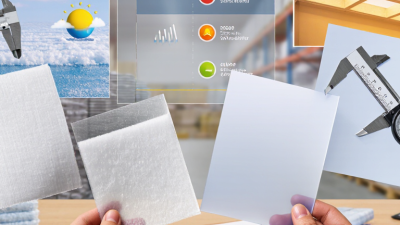
Choosing the best Heat Thermal Insulation Sheet in 2026 isn't just about looking at thickness or price. Honestly, the real performance of these sheets depends on a bunch of factors—like thermal conductivity, how well they resist heat, moisture control, how much they can handle pressure, and how they’re installed. A super thin sheet might save you some space, but don’t assume it’ll hold up if there’s vibration, repeated heating, or trapped condensation. Sometimes what you see on the surface doesn’t tell the whole story. Joseph Lstiburek, a well-respected expert in building science, once said, “The building enclosure is a system, not just a bunch of separate products.” And, honestly, that’s a really good point here. When picking a heat insulation sheet, it’s important to think about your specific setup—what kind of equipment you’re insulating, the climate the building’s in, the overall design, and how it’ll be maintained. If you’re dealing with industrial ovens, steam pipes, battery systems, or HVAC enclosures, you should dig into tested R-values, temperature limits, how it behaves in a fire, aging info, and whether it’s compatible with chemicals you might encounter. Just relying on marketing claims? Not enough anymore. Pay attention to the little details. Does the sheet stay stable against hot metal surfaces? Can installers cut it without leaving gaps? Will its adhesive hold up through temperature swings? These practical questions often make or break how well the insulation actually performs. I’d say it’s worth checking out independent lab tests, technical datasheets, and quality control records—more than just being impressed by glossy marketing language. There’s no one-size-fits-all answer here. Materials like mineral wool, aerogel composites, ceramic fiber, elastomeric foam, and microporous panels each have their own strengths for different situations. Aerogel, for example, offers incredible insulation in tight spaces, but it can be pricey and tricky to handle. Ceramic fiber handles extreme heat well, but you’ll need to manage exposure carefully. Honestly, my advice is pretty flexible—there’s no single best choice. Instead, pick your insulation after assessing the real-world conditions, chatting with qualified engineers, and making sure it meets current safety standards. The material that really wins is the one that performs reliably over time—and not just the one that looks good on paper or in a lab test.
Read more »
Seraphina By:Seraphina - September 24, 2026
How to Choose the Best High Insulation Material?

How to Choose the Best High Insulation Material?

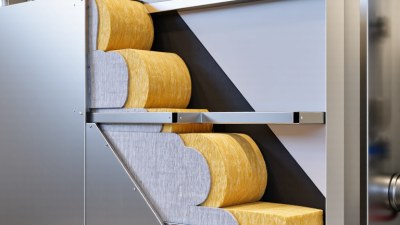
Picking the best High Insulation Material isn't just about finding the one with the lowest thermal conductivity. Honestly, it’s a lot more complicated than that. Real buildings have to deal with moisture, fire risks, noise, space restrictions, costs, and tricky installation conditions. Something that looks fantastic in a lab can totally fall flat once you factor in things like open joints or water seeping into the wall cavity—it's a whole different ballgame. According to the International Energy Agency’s Buildings 2023 report, building operations make up around 30% of the world’s final energy use and about 26% of energy-related emissions. That puts insulation into the spotlight—not just as some technical detail, but as a genuine climate action. The U.S. Department of Energy also emphasizes that good insulation and sealing those tiny gaps around windows can make a real difference in cutting down heating and cooling needs. Trust me, even a small gap can quietly undermine what’s otherwise a pretty solid system. Energy expert Amory Lovins, cofounder of the Rocky Mountain Institute, once said, “The cheapest energy is the energy you don’t use.” It’s a reminder, especially when you’re choosing between mineral wool, PIR boards, aerogel blankets, or vacuum panels. Each has its own pros and cons—different thermal resistance levels, thicknesses, fire safety, durability, and price points. And honestly, there’s no clear winner that fits all scenarios. That kind of straightforward thinking? It’s a bit too tidy. The reality is, making a good choice means going beyond just looking at product datasheets. You’ve got to dig into tested R-values, how they handle moisture, their fire ratings, environmental info, and what the installers actually know. And don’t forget—what looks great on paper might not hold up once it’s been shipped, cut, fitted, and exposed to weather year after year. Sometimes, the best insulation is just the one that keeps working after all that stuff. But even that isn’t foolproof—performance data can vary depending on standards, suppliers, and actual job site conditions. So, yeah, careful comparison is still pretty much essential.
Read more »
Lila By:Lila - September 19, 2026
China Best Heat Resistant Insulation Blanket Supplier?

China Best Heat Resistant Insulation Blanket Supplier?

Picking the best heat-resistant insulation blanket supplier in China isn’t just about hunting down the lowest factory prices. You really want to find someone who *gets* heat transfer, fiber behavior, surface protection, and the conditions workers face. Because let’s be honest — a blanket might have to withstand radiant heat, direct flames, molten splashes, vibrations, or even constant folding and unfolding. Each of these scenarios needs a different kind of construction or design. Dr. Michael R. Lawson, a pro in thermal insulation, once said, “A reliable insulation blanket is designed around the heat source, not just a catalog number.” And honestly, that’s pretty much the truth. When you’re checking out suppliers like Ningbo FiberShield or Jiangsu ThermalGuard, their claims should be backed up with solid specs—things like maximum service temp, thickness, density, tensile strength, and thermal conductivity. And those specs should reference official ASTM, ISO, or EN testing standards. Plus, don’t forget to watch their factory audits—look at the stitching, check how they bind the edges, and find out how they fix blankets that get damaged. Remember, the most expensive blanket isn’t always the safest or the best performance-wise. Just because a blanket claims to handle super high temps doesn’t mean it will perform well in your exact situation. Materials like ceramic fiber, silica fabric, basalt fiber, and fiberglass all have their perks, but also their weaknesses. Some resist heat like a champ but don’t handle abrasion at all. Others stay flexible but might lose strength if they see repetitive stress. It’s easy to overlook these subtle issues. That’s why a good, honest supplier should openly explain these limitations and, if needed, suggest field trials. No blanket is perfect, and in the end, careful selection, proper installation, and regular inspection are what really count. This guide is all about helping you compare Chinese suppliers based on material quality, customization options, testing, delivery reliability, and technical support. But honestly, at the end of the day, worker safety is what truly matters most.
Read more »
Isabelle By:Isabelle - September 15, 2026
10 Silica Insulation Buying Tips for Global Buyers

10 Silica Insulation Buying Tips for Global Buyers

Buying silica insulation from overseas isn't just about comparing prices — there's way more to it. You might see two catalogs showing what looks like the same blanket, but trust me, their density, fiber structure, and heat performance can be totally different. Picking the wrong grade could mean heat loss, delays in your project, or even needing to replace it sooner than you'd like. Small mistakes here can really add up in cost. For those of us doing this regularly, it’s kinda tricky to figure out the best way forward. That’s why I put together this guide with ten handy tips for buying silica insulation — whether it’s for industrial furnaces, pipelines, kilns, or high-temp equipment. It covers all the basics: choosing the right material, figuring out the temperature ratings, thickness, size, testing methods, packaging, and how to verify your suppliers. Don't forget to ask for detailed tech data sheets and safety docs before you commit. And make sure the test methods match your project’s needs and local rules — having a certificate alone isn’t enough. Keep an eye on the scope, who did the testing, and when it was done — these details matter! Sampling inspections are super helpful too. Also, don’t overlook assessing your supplier properly. Ask for traceable batch info, photos of the production process, and references from similar projects if possible. Make sure they can handle your order size before diving into big talks. Get clear about lead times, minimum order quantities, how they pack for export, and if they provide moisture protection. Carefully review customs paperwork and delivery responsibilities. These details might seem minor compared to the unit price, but they can really impact your overall costs. Of course, no checklist can cover everything. A deal that’s too cheap might seem like a good bargain, but often it hides weak quality control or poor tech support. And sometimes, buyers get carried away and ask for performance that’s way above what’s realistic — ending up overspending, which is pretty common. Use these tips as a way to challenge assumptions, compare facts, and pick a supplier you can trust — someone who’s transparent, well-documented, and technically solid. Good sourcing isn’t about perfection, but it should be honest and well-grounded in facts.
Read more »
Seraphina By:Seraphina - September 11, 2026